A useful home garden does not need to resemble an old-fashioned apothecary. Some of the most familiar plants growing on windowsills, porches, and patios have been used for generations in teas, skin preparations, cooking, and simple home remedies.
Several are surprisingly easy to grow. A few will happily live in a small pot, while others can spend the summer outside and come indoors before cold weather arrives.
Just remember that traditional use is not the same as proven medical treatment. Herbs can cause side effects, trigger allergies, and interact with medications. A leaf used in cooking is also very different from a concentrated capsule, tincture, or essential oil.
1. Aloe Vera

Aloe vera is one of the most practical plants to keep near a sunny window. The clear gel inside its fleshy leaves is commonly used on minor skin irritation and small, superficial burns.
To reach the gel, cut a mature outer leaf and let the yellow liquid drain away before opening it. The clear inner portion is the part normally used on skin. Avoid applying it to deep wounds, severe burns, or infected areas.
The yellow layer beneath the leaf skin is known as aloe latex. It is different from the clear gel and can cause severe stomach cramping and diarrhea when swallowed.
Aloe needs bright light and soil that drains quickly. Its biggest enemy is usually kindness. Let the soil dry before watering again rather than keeping the roots constantly damp.
Keep the plant where dogs and cats cannot chew it.
2. Peppermint

Fresh peppermint leaves can turn an ordinary cup of hot water into a refreshing tea. Peppermint has traditionally been used for digestive discomfort, although it can make heartburn worse for some people.
The leaves are also handy in lemonade, iced tea, fruit salad, and flavored water. Regular harvesting encourages the plant to produce fresh, tender growth.
Plant peppermint in its own container. Its underground runners spread aggressively and can escape into nearby beds before you realize what happened.
Peppermint likes consistent moisture and several hours of light. It usually tolerates a little afternoon shade better than baking all day in an extremely hot window.
Do not treat concentrated peppermint essential oil like peppermint tea. Essential oils are far stronger and should not be swallowed or applied undiluted simply because the original plant is familiar.
3. Ginger

Ginger is best known for the knobby rhizome hiding beneath the soil. Fresh ginger is widely used in cooking and has also been studied for certain types of nausea.
A few thin slices steeped in hot water make a warming drink. Ginger also works beautifully in soups, stir-fries, baked goods, marinades, and homemade salad dressings.
You can start a plant with a firm piece of ginger that has several visible buds. Place it just beneath the surface in a wide pot, keep it warm, and give it bright but indirect light.
A wide container is more useful than a deep, narrow one because ginger spreads sideways. Once the plant is established, you can carefully uncover an edge, remove a small section, and leave the rest growing.
Ginger may cause heartburn or stomach irritation in some people. Anyone taking medication that affects bleeding or preparing for surgery should ask a healthcare professional before using concentrated ginger products.
4. Chamomile
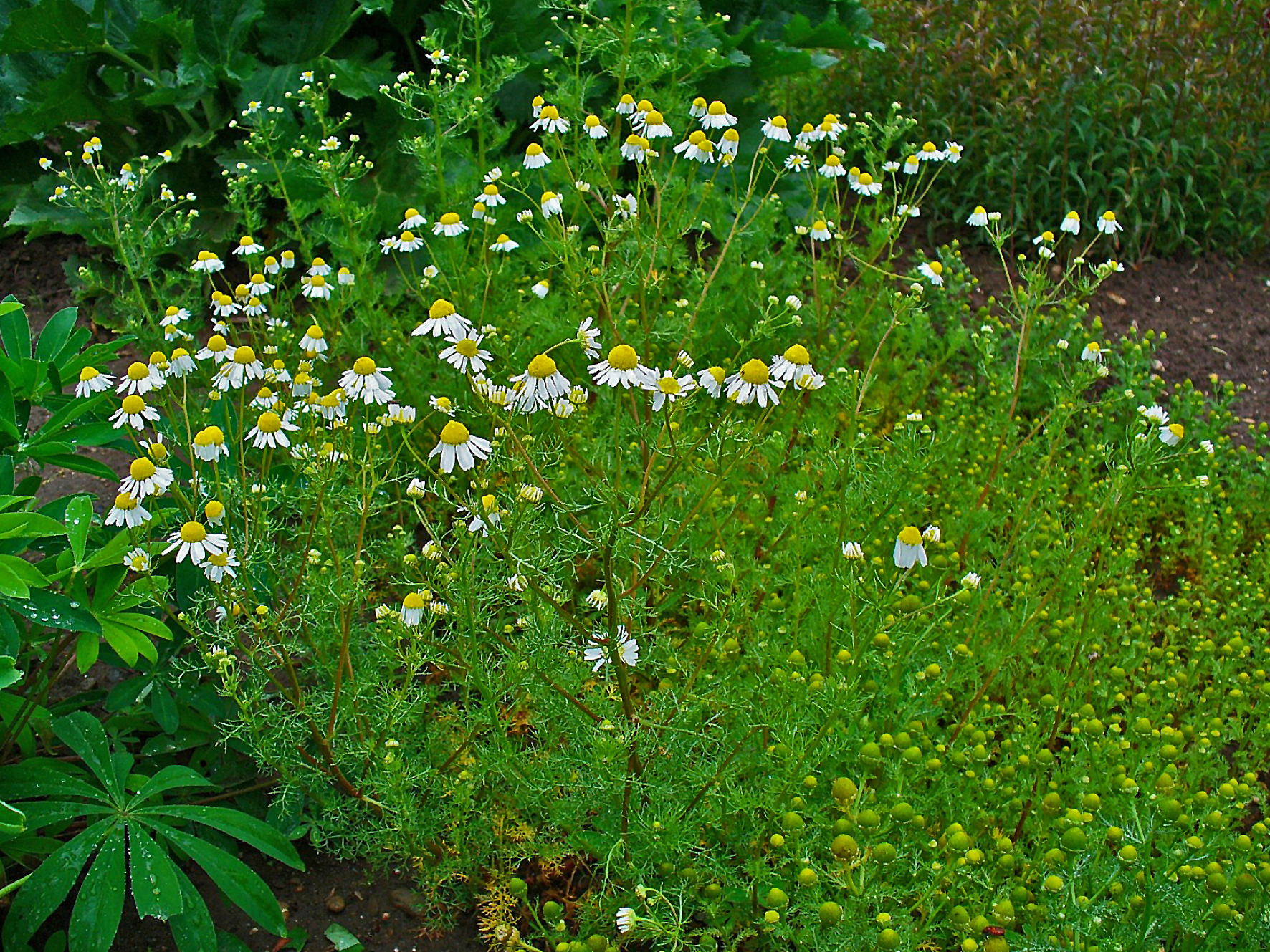
Chamomile produces tiny daisy-like flowers that can be harvested and dried for tea. The mild floral drink has long been associated with relaxation and bedtime routines.
Pick the flower heads shortly after they open. Spread them in a single layer somewhere dry and well ventilated, then store them only after they feel completely dry.
Chamomile prefers plenty of light and soil that does not remain waterlogged. A wide porch container can produce a surprising number of flowers during cool, pleasant weather.
People with allergies to ragweed, chrysanthemums, daisies, or related plants should be cautious. Chamomile can also interact with some medications, and its safety during pregnancy has not been firmly established.
Do not assume every daisy-like flower is chamomile. Use a labeled plant from a trusted nursery rather than trying to identify a medicinal plant from a photograph alone.
5. Lemon Balm
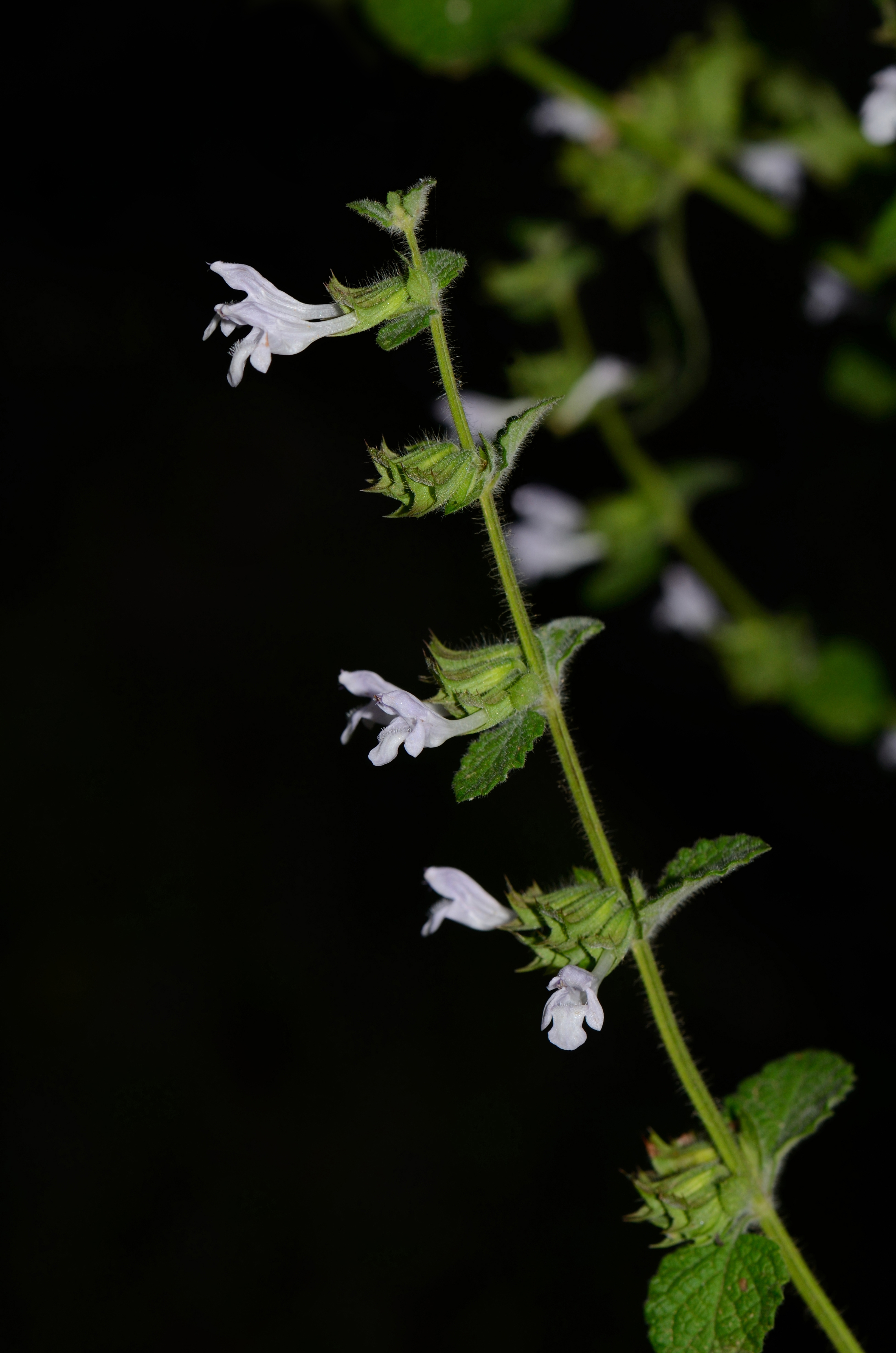
Rub a lemon balm leaf between your fingers and you will immediately understand its appeal. The foliage releases a bright, clean fragrance that smells like lemon with a hint of mint.
The leaves can be added to hot tea, iced drinks, fruit dishes, and flavored water. Lemon balm has traditionally been used in calming herbal blends and for mild digestive discomfort.
Like peppermint, lemon balm belongs to the mint family and can spread beyond its assigned space. A container keeps it manageable and lets you move it closer to the kitchen.
Pinch or cut the stems frequently to encourage bushy growth. If flower stalks appear and you do not want seedlings everywhere, remove them before they mature.
Lemon balm grows well in sun or partial shade. Plants in hot containers may need more frequent watering than established plants growing in the ground.
6. Lavender

Lavender earns its space before you harvest a single flower. It looks beautiful, smells wonderful, and attracts bees when grown outdoors.
The flower stems can be cut as the buds begin opening and hung in small bundles to dry. Once dry, they work well in sachets and other fragrant household projects.
Lavender is commonly associated with relaxation, but its scent should not be treated as a cure for insomnia, anxiety, or another health condition.
Lavender needs excellent drainage and as much direct light as you can provide. Indoor plants often fail because they receive too little sun, too much water, or poor airflow.
Concentrated lavender essential oil is not interchangeable with the flowers. Keep oils and plant material away from curious pets and small children.
7. Calendula
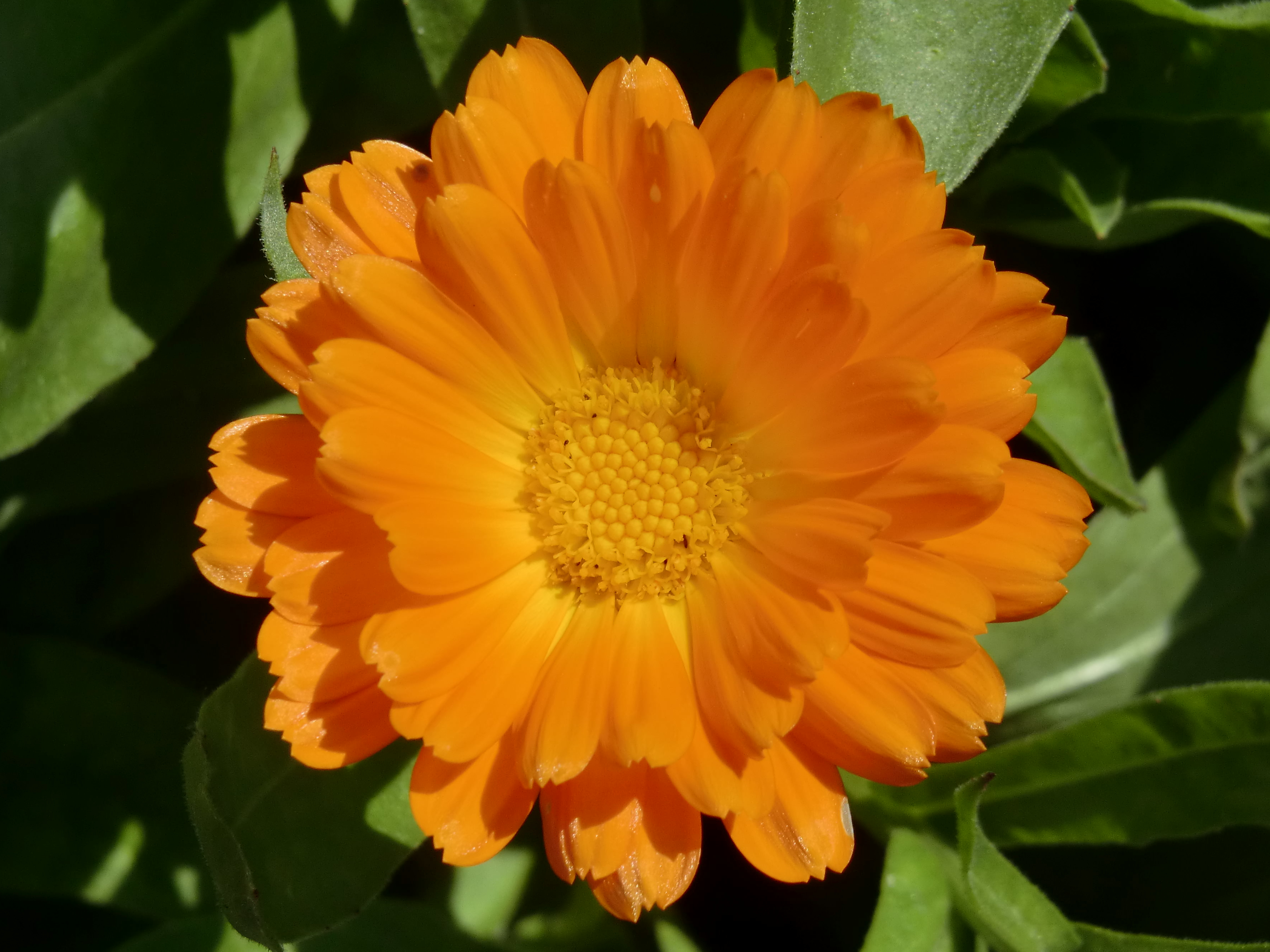
Calendula, also called pot marigold, produces bright orange or yellow flowers that look almost too cheerful to be useful.
The petals have a long history in infused oils, salves, and other preparations made for the skin. Scientific evidence for many traditional uses remains limited, so think of calendula as a useful garden plant rather than a replacement for proper wound care.
Pick clean, freshly opened flowers after morning moisture has dried. The petals can be used fresh or spread out to dry for later projects.
Calendula is not the same plant as every flower sold under the name “marigold.” Look for the botanical name Calendula officinalis on the plant label.
Calendula handles containers well and often grows best during milder spring and fall weather. Removing old blooms keeps the plant producing longer.
8. Thyme
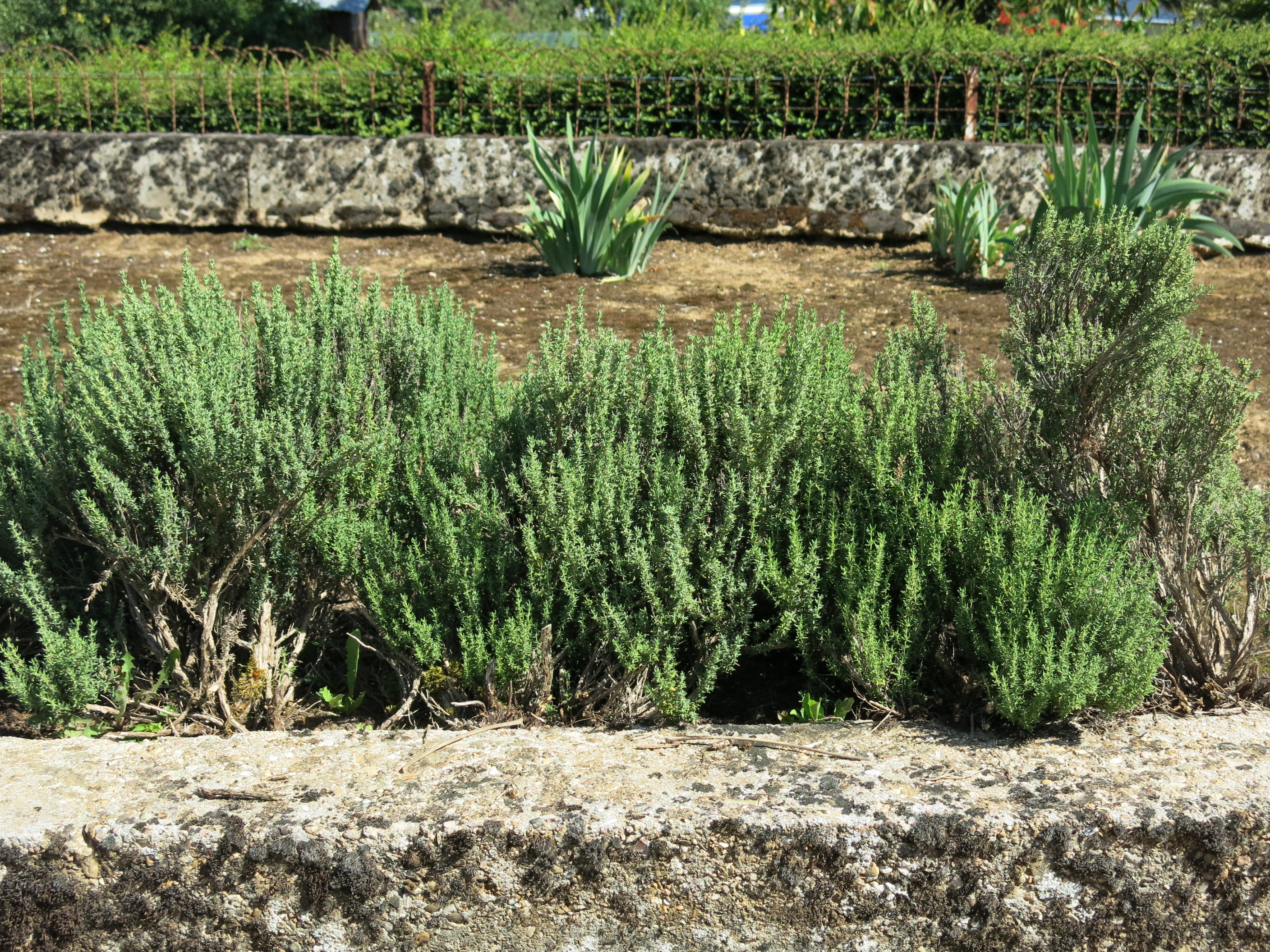
Thyme may be one of the easiest medicinal herbs to justify growing because it is so useful in ordinary cooking. A few fresh sprigs can improve soups, roasted vegetables, chicken, sauces, and homemade bread.
Thyme has also been used traditionally in warm drinks and preparations during cough and cold season. It should not, however, be presented as a cure for an infection or a substitute for medical care.
The plant prefers full sun and lean soil that drains rapidly. Allow the upper soil to dry slightly between waterings. Constantly wet roots can kill thyme much faster than a brief dry spell.
Trim the tips regularly but avoid cutting an old plant all the way back into bare, woody stems. Leave some green growth behind so it can recover.
A small pot on a bright kitchen windowsill can work, although thyme is usually stronger and fuller when it spends warm months outdoors.
9. Rosemary

Rosemary is fragrant, attractive, and useful almost every week of the year. Fresh sprigs pair well with potatoes, vegetables, chicken, bread, and roasted dishes.
The aroma has traditionally been associated with alertness and memory. Even without making a medicinal claim, crushing one leaf can fill the area with a sharp, clean fragrance.
The hardest part is keeping rosemary happy indoors. It needs much more light than the average houseplant, good airflow, and a pot that drains freely.
Water thoroughly when the upper soil begins to dry, then empty any water trapped in the saucer. Do not let the root ball stay soaked, but do not allow it to become bone dry for days either.
Moving rosemary outside during warm weather can help it grow stronger. Introduce it to direct sun gradually so the leaves do not scorch.
10. Sage

Sage deserves better than being remembered only when Thanksgiving arrives. Its soft, strongly scented leaves can be used with vegetables, poultry, sausage, beans, butter sauces, and savory breads.
Sage tea and gargles also have a long history in traditional household use. That does not make highly concentrated sage products safe for everyone, especially when used repeatedly or in large quantities.
The plant wants sun, airflow, and soil that does not stay wet. Avoid splashing the leaves every time you water because damp, crowded foliage can encourage mildew.
Harvest lightly during the first year while the plant establishes itself. Older stems become woody, so taking small cuttings from the tender ends keeps the plant looking fuller.
After several years, a tired and woody plant may be easier to replace with a young one than to force back into shape.
11. Echinacea

Echinacea is one of the most recognizable plants in the herbal aisle, but it is just as valuable as a tough, pollinator-friendly garden flower.
Products made from echinacea are widely promoted during cold season. Research results have been mixed, so it should not be treated as a guaranteed way to prevent or cure a cold.
The plant grows best outdoors in a sunny bed or roomy container. Once established, it handles ordinary summer conditions and usually returns each year in suitable climates.
Leave some flower heads standing late in the season. Birds may feed on the seeds, and the dry centers bring texture to a winter garden.
Echinacea belongs to the daisy family. Anyone with significant allergies to related plants should be careful with herbal preparations containing it.
12. Turmeric
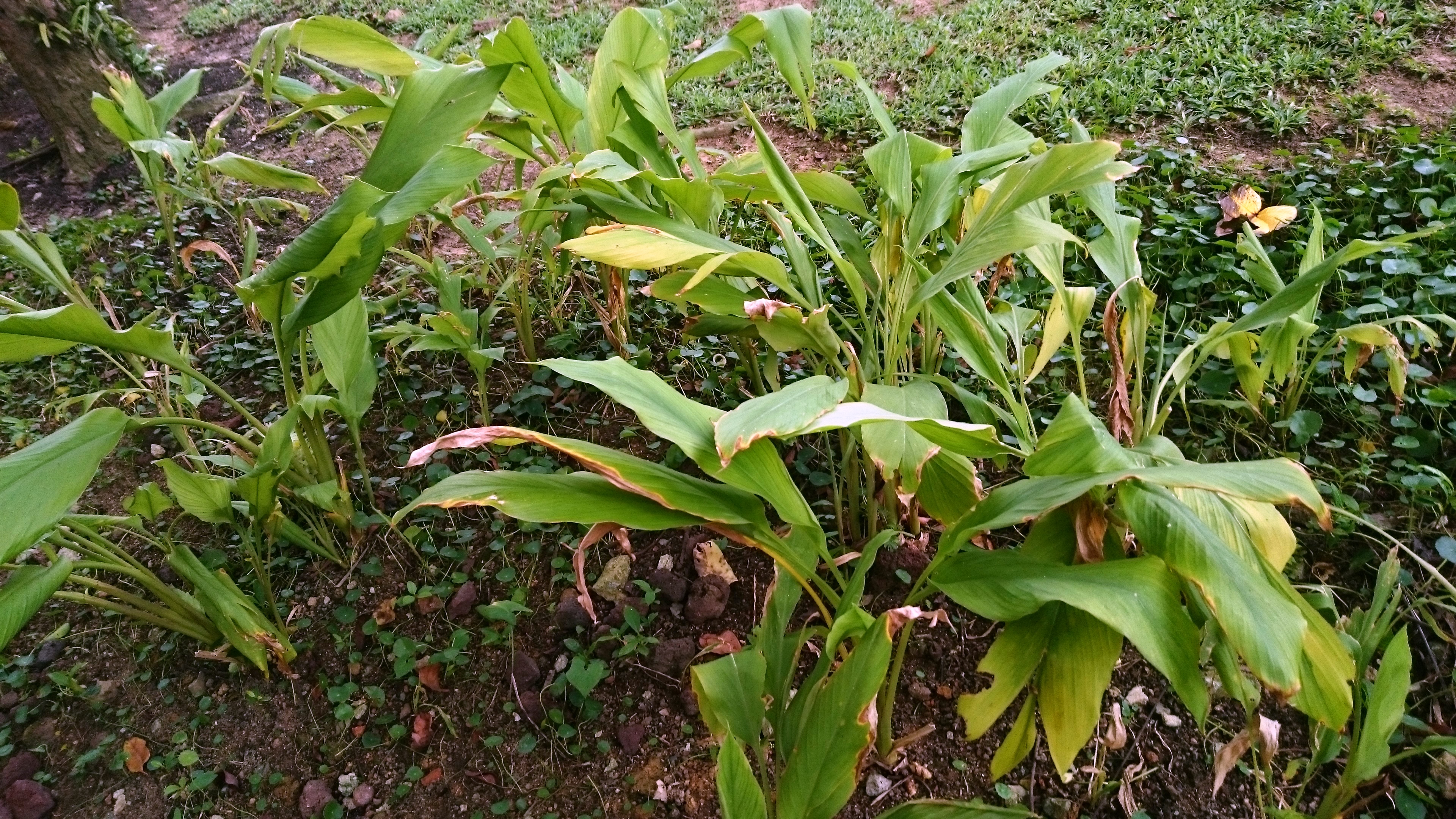
Turmeric grows into a lush tropical-looking plant, while the familiar orange-yellow rhizomes develop beneath the soil.
Fresh or dried turmeric can be used in curries, soups, rice dishes, roasted vegetables, and warm drinks. Culinary turmeric is not the same as taking a concentrated curcumin supplement.
Start a plant with a firm piece of rhizome that has visible buds. Give it warmth, rich soil, and a wide container with drainage holes.
Turmeric appreciates more moisture than rosemary or thyme, but the soil should never turn swampy. Growth may slow or disappear when conditions become cool, while the rhizomes remain beneath the soil.
Wear old clothes when harvesting it. Fresh turmeric can stain hands, countertops, cutting boards, towels, and nearly anything else it touches.
13. Garlic

Garlic is so common in the kitchen that it is easy to overlook its long history as a medicinal plant. It is also one of the easiest plants on this list to work into ordinary meals.
Plant individual cloves with the pointed ends facing upward. Outdoor plants need a long growing season to form full bulbs, but cloves can also produce edible green shoots in an indoor container.
Snip the greens lightly and use them much like mild garlic-flavored chives. Leave enough foliage for the plant to continue growing.
Food-sized amounts and concentrated garlic supplements are not interchangeable. Supplements may increase bleeding risk or interact with medication.
Garlic is unsafe for dogs and cats to eat. Store harvested bulbs securely and keep planted containers where pets cannot dig into them.
14. Feverfew

Feverfew produces cheerful white flowers with yellow centers, but its traditional use is more serious. It is most often associated with attempts to reduce the frequency of migraines.
Evidence is not strong enough to promise that it will work for everyone. It should not be used as a reason to ignore sudden, severe, or changing headaches.
Chewing fresh feverfew leaves can irritate the mouth and cause sores. It may also cause digestive problems, allergic reactions, or interactions with medications that affect bleeding.
Feverfew grows best with plenty of light and good drainage. It may reseed enthusiastically, so remove fading flowers if you do not want plants appearing throughout the bed.
Pregnant people and anyone preparing for surgery should avoid experimenting with feverfew unless a qualified healthcare professional specifically approves it.
15. Passionflower

Passionflower looks far too exotic to be an ordinary backyard plant. Its flowers combine rings of purple, white, green, and cream into one of the most unusual blooms you can grow.
Certain passionflower species have traditionally been included in calming teas and herbal preparations. They may cause drowsiness and should not be combined casually with alcohol, sleep aids, sedatives, or other products that slow alertness.
The vine needs a trellis, railing, fence, or another support. Give it plenty of light and enough room to climb rather than trying to squeeze it into a crowded windowsill.
Do not assume every passionflower species or every part of the plant can be used in the same way. Buy a properly labeled plant and confirm the exact species before considering any traditional use.
Never identify a medicinal vine from a photograph alone. A beautiful flower is not proof that a plant is safe to prepare or consume.
A Simple Way to Arrange the Plants
You do not need all 15 plants to create a useful collection. Starting with four or five plants you already know how to use is usually much more practical.
- Bright indoor window: Aloe vera, thyme, rosemary, and sage
- Warm, wide containers: Ginger and turmeric
- Porch pots: Peppermint, lemon balm, chamomile, and calendula
- Sunny outdoor beds: Lavender, echinacea, garlic, and feverfew
- Trellis or sturdy railing: Passionflower
Keep the original nursery labels instead of relying on memory. A label with the botanical name can prevent dangerous confusion later, especially when several similar-looking herbs are growing together.
A Plant Is Not the Same as an Extract
A sprig of rosemary in dinner, a few peppermint leaves in tea, and a concentrated herbal capsule can contain dramatically different amounts of active plant compounds.
Do not assume a supplement is safe simply because you have eaten the plant before. Herbal supplements can interact with prescriptions, affect bleeding, worsen certain conditions, or create problems before surgery.
Pregnant or breastfeeding people, children, older adults, and anyone taking prescription medication should speak with a healthcare professional before using herbs in concentrated or medicinal amounts.
Keep Pets in Mind
Several familiar garden and kitchen plants can make dogs or cats sick. Even plants described as non-toxic may cause vomiting or diarrhea when an animal eats a large amount.
Place pots where pets cannot chew them, pick up fallen leaves, and store dried herbs, essential oils, supplements, bulbs, and rhizomes securely.
Before bringing a new plant home, check its exact botanical name in the ASPCA Toxic and Non-Toxic Plant Database. If a pet eats an unknown plant, save the label or a sample and contact a veterinarian rather than waiting for symptoms to become severe.
Health and Safety Sources
- National Center for Complementary and Integrative Health: Herbs at a Glance
- National Center for Complementary and Integrative Health: Dietary and Herbal Supplements
- National Center for Complementary and Integrative Health: Herb-Drug Interactions
- ASPCA Toxic and Non-Toxic Plant Database
Image Attributions
Aloe Vera
- “Aloe Vera.jpg” by Erin Silversmith, licensed under the GNU Free Documentation License 1.2 or later.

Peppermint
- “Mentha x piperita 002.JPG” by H. Zell, licensed under CC BY-SA 3.0.

Ginger
- “Zingiber officinale.JPG” by Dalgial, licensed under CC BY 3.0.

Chamomile
- “Matricaria recutita 001.JPG” by H. Zell, licensed under CC BY-SA 3.0.

Lemon Balm
- “Melissa officinalis 1.jpg” by Gideon Pisanty, licensed under CC BY 3.0.

Lavender
- “Lavandula angustifolia prg 1.jpg” by Karelj, released into the public domain.

Calendula
- “Calendula flower orange-yellow.jpg” by Kmtextor, licensed under CC BY-SA 4.0.

Thyme
- “Thymus vulgaris in garden (2018) 6.jpg” by Tangopaso, released into the public domain.
_6.jpg)
Rosemary
- “Rosemary plant in a pot 06.jpg” by Netha Hussain, licensed under CC BY-SA 4.0.

Sage
- “Salvia officinalis 003.JPG” by H. Zell, licensed under CC BY-SA 3.0.

Echinacea
- “Echinacea purpurea flower.jpg” by Stan Shebs, licensed under CC BY-SA 3.0.

Turmeric
- “Turmeric (Curcuma longa) 3.jpg” by Mokkie, licensed under CC BY-SA 4.0.
_3.jpg)
Garlic
- “Allium sativum 001.JPG” by H. Zell, licensed under CC BY-SA 3.0.

Feverfew
- “Tanacetum parthenium 003.JPG” by H. Zell, licensed under CC BY-SA 3.0.

Passionflower
- “OQ Passion flower.jpg” by Oliver P. Quillia, licensed under CC BY 3.0.
