The most dangerous plant in your yard may not look dangerous at all.
It may look like an onion waiting to be pulled, a patch of ramps ready for dinner, or a cluster of berries that could pass for tiny grapes. Some poisonous plants resemble familiar garden favorites closely enough to fool children, pets, and even experienced gardeners.
Never eat a plant based on one photograph, one identifying feature, or the result from a plant-identification app. Color, leaf shape, scent, and growing conditions can vary. More than one species may also be growing together.
If someone may have swallowed an unknown plant, do not wait for symptoms. In the United States, contact Poison Control online or call 1-800-222-1222. Call 911 immediately if the person collapses, has a seizure, has trouble breathing, or cannot be awakened.
1. Poison Hemlock Can Pass for Queen Anne’s Lace

Poison hemlock can look unsettlingly familiar. Its delicate white flowers and finely divided leaves resemble Queen Anne’s lace, wild carrot, parsley, and several other members of the carrot family.
The risk is greatest before the plant becomes tall and obvious. A young poison hemlock plant may appear to be nothing more than a harmless patch of fernlike greenery.

Mature poison hemlock often has smooth, hollow stems covered with reddish-purple spots or blotches. Queen Anne’s lace usually has hairy green stems and a flatter flower cluster, sometimes with one dark flower near the center.
Those differences are helpful, but none should be used alone. Poison hemlock contains potent toxins throughout the plant. Do not taste it, crush it near your face, or add an unidentified carrot-family plant to a bouquet where children or pets can reach it.
2. Water Hemlock Can Resemble Celery, Parsley, or a Small Carrot
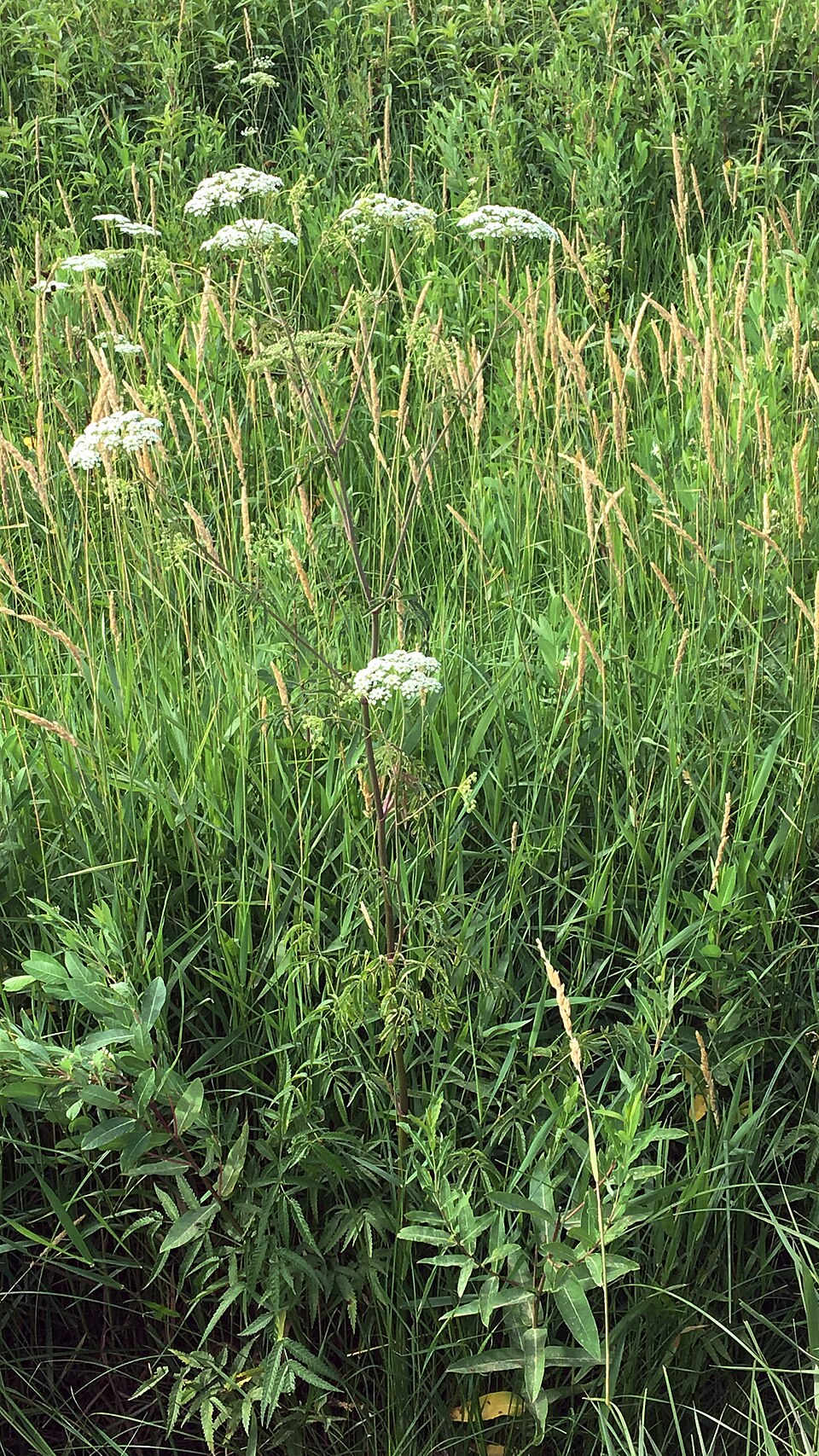
Water hemlock tends to grow in marshes, drainage ditches, wet meadows, and along streams. Its divided leaves, white flower clusters, and thick underground structures can remind people of celery, parsley, parsnip, or a small carrot.
That resemblance is especially dangerous because the roots and lower stem contain high concentrations of toxin. Digging up an unfamiliar plant to inspect its roots can create more risk rather than solving the mystery.

Water hemlock commonly produces rounded groups of small white flowers. Its leaf veins often run toward the notches along the toothed leaf edges, but that detail can be difficult to see and should not be treated as a final identification.
Do not pull, cut, taste, or compost a suspected water hemlock plant until it has been professionally identified. Keep livestock and pets away from the area and contact a local extension office or experienced botanist for help.
3. False Hellebore Can Hide Inside a Patch of Ramps
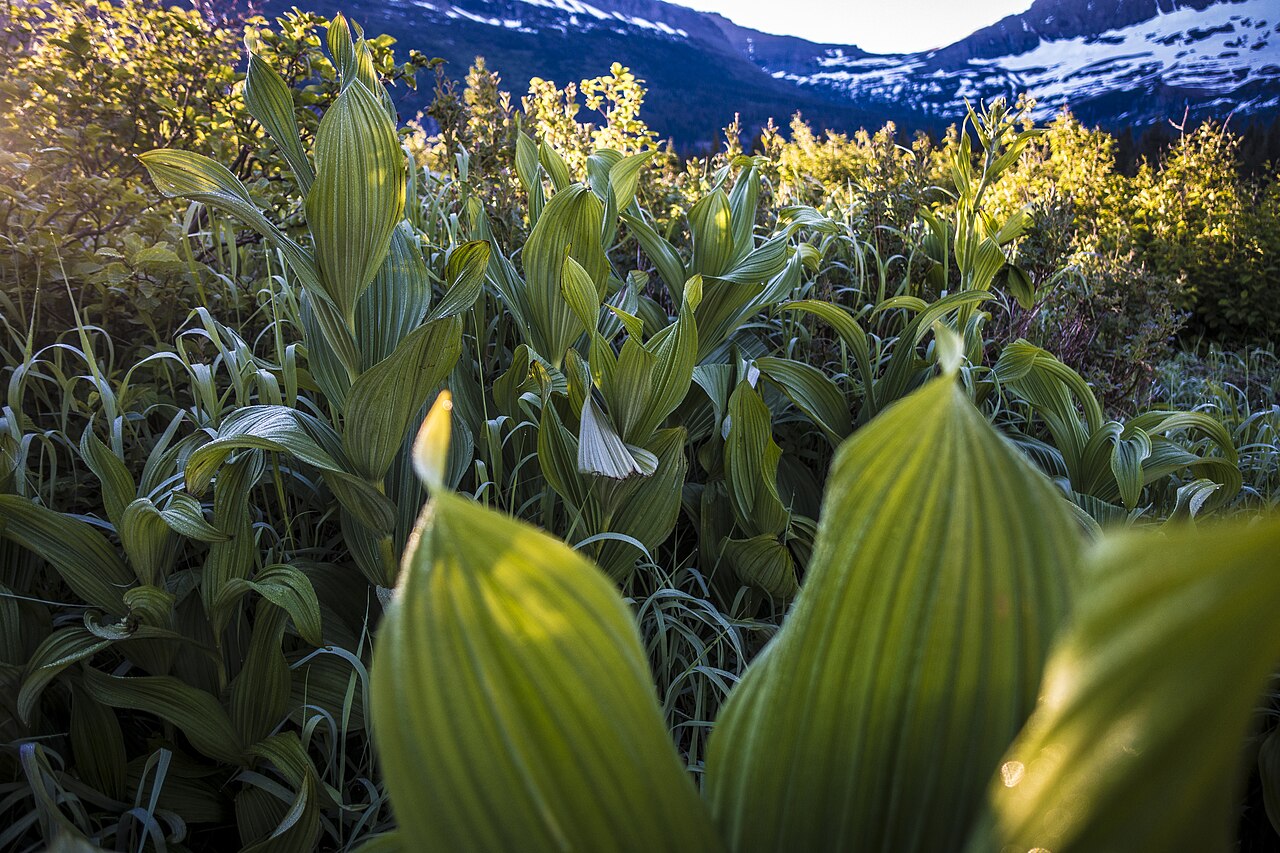
False hellebore and ramps can emerge from moist woodland soil at about the same time. Both produce broad green leaves, and both may grow in large colonies that look perfect for harvesting.
False hellebore usually has strongly pleated leaves with deep parallel veins. The leaves often wrap around a central stalk and become progressively smaller as they move upward.

Ramps normally have smoother leaves that arise individually from the ground and produce a strong onion or garlic odor when damaged. False hellebore does not have that characteristic onion scent.
Smell is still not enough to make a plant safe. A false hellebore leaf could be accidentally gathered with genuine ramps, causing the entire bundle to smell like onions. Inspect every leaf and stem individually rather than approving a handful as one group.
4. Lily of the Valley Can Be Mistaken for Ramps
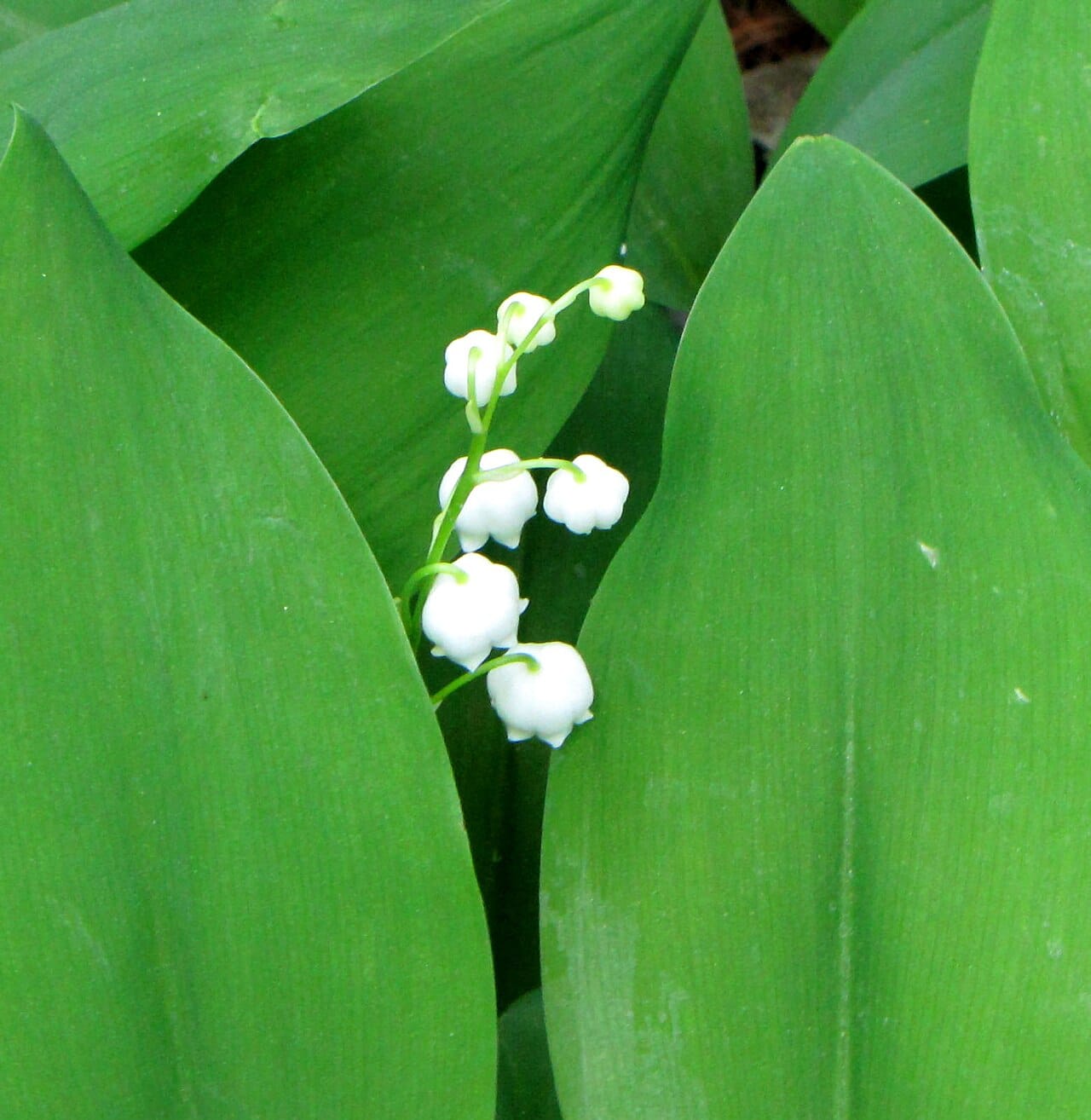
Lily of the valley looks easy to recognize once its tiny white bells appear. Several weeks earlier, however, the plant may be little more than a pair of broad green leaves pushing through woodland soil.
That early growth can resemble ramps. The danger increases when lily of the valley spreads into a large colony or grows near an area where ramps have been planted.

Lily of the valley leaves commonly emerge in pairs and lack the strong onion scent of ramps. Later, the plant produces white bell-shaped flowers followed by orange-red berries.
Every portion of lily of the valley is poisonous. Its toxins can affect the heart as well as the digestive system. Never assume a leaf is a ramp simply because it was found in a familiar harvesting spot.
5. Daffodil Bulbs Can Look Like Onions
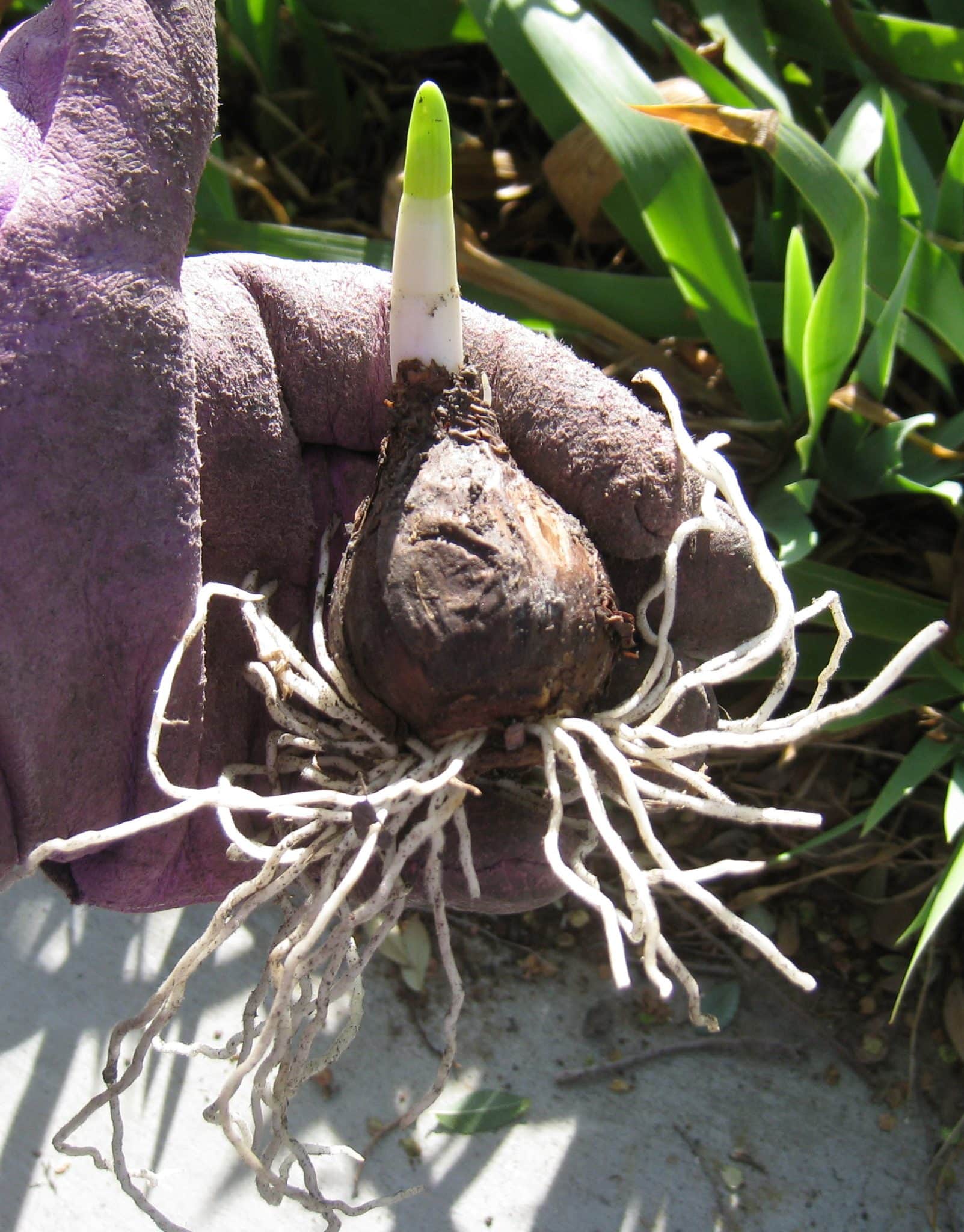
A blooming daffodil is unlikely to be confused with a vegetable. A loose daffodil bulb sitting in a basket, shed, or kitchen is another matter.
Daffodil bulbs have papery brown skins and layered interiors that can look surprisingly similar to small onions. Poisonings have occurred after bulbs were stored near food or mistakenly added to meals.

A cut onion produces its familiar sharp odor. A daffodil bulb does not. Still, the kitchen is not the place to conduct a smell test on an unidentified bulb.
Keep ornamental bulbs in their original labeled packaging and store them away from onions, garlic, potatoes, and other produce. Eating daffodil can cause burning in the mouth, nausea, vomiting, diarrhea, and abdominal pain.
6. Death Camas Can Resemble Wild Onion

Death camas grows from a bulb and produces narrow, grasslike leaves. Before it flowers, it can resemble wild onion, wild garlic, and edible camas.
Wild onions should produce a clear onion smell when their leaves or bulbs are damaged. Death camas lacks that odor, but scent should be treated as one clue—not permission to eat the plant.
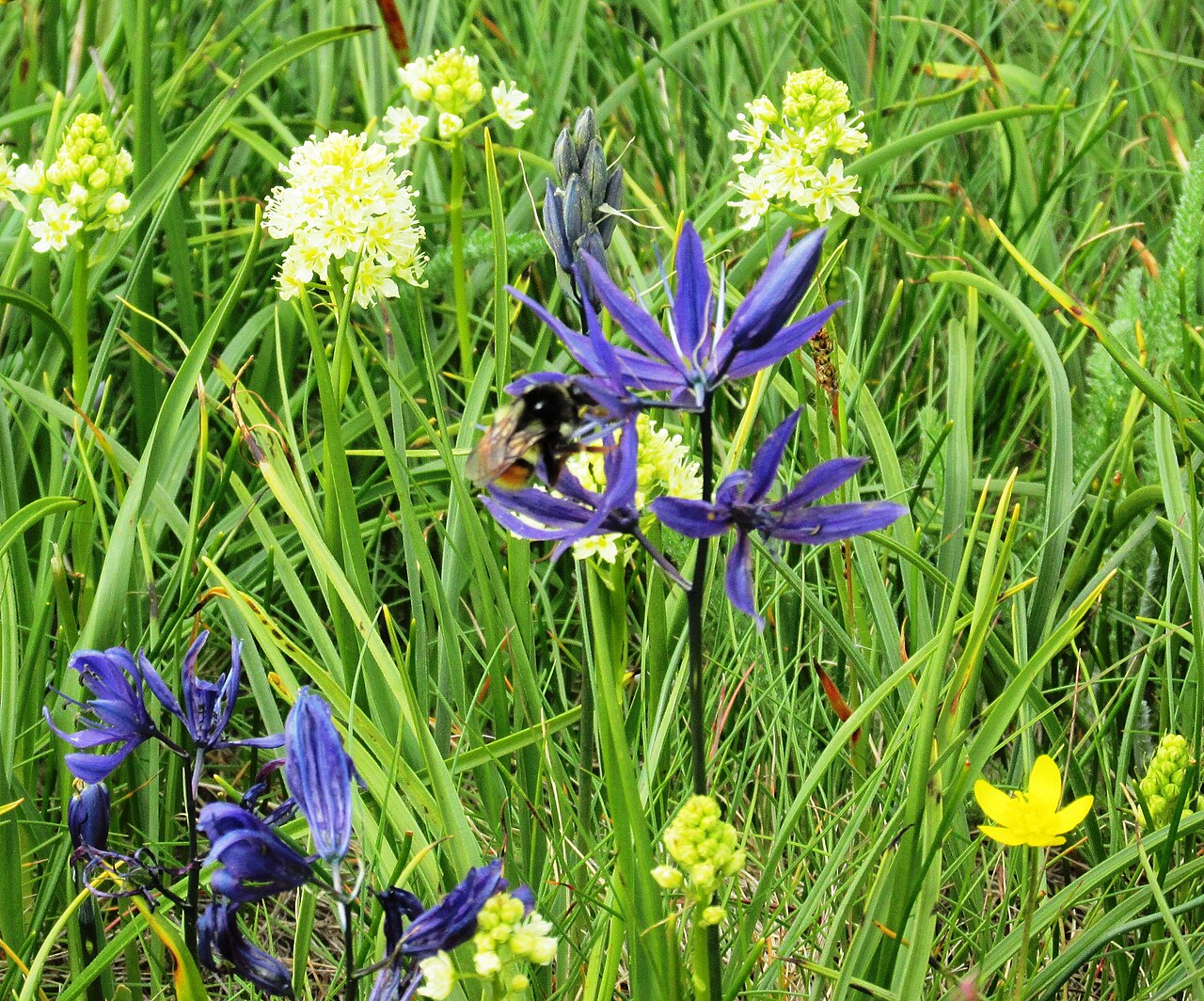
The danger becomes obvious when edible and poisonous plants grow side by side. A patch may contain blue-flowered camas mixed with pale death camas, making hurried harvesting especially risky.
Death camas poisoning can become life-threatening. Do not eat a wild bulb unless each plant has been positively identified using several characteristics by someone with genuine local expertise.
7. Autumn Crocus Can Be Confused With Saffron Crocus
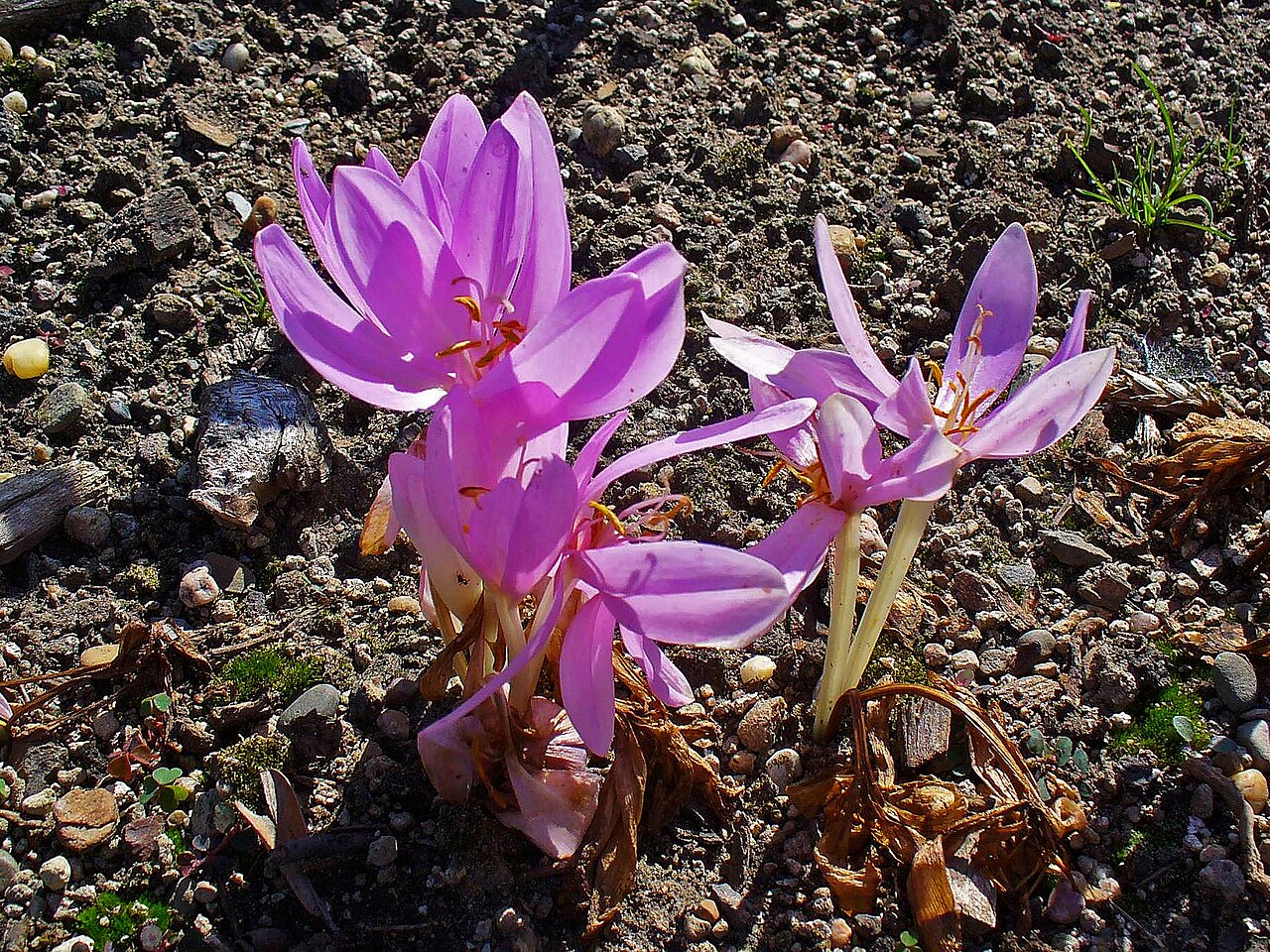
True saffron comes from Crocus sativus. Autumn crocus belongs to a different plant group, yet its delicate purple flowers can look close enough to create a disastrous mix-up.
True saffron flowers have three long red stigmas—the threads harvested as spice. Autumn crocus usually has six stamens, while true crocuses have three. Counting flower parts can help, but it is not a safe test for an unknown plant headed toward the kitchen.
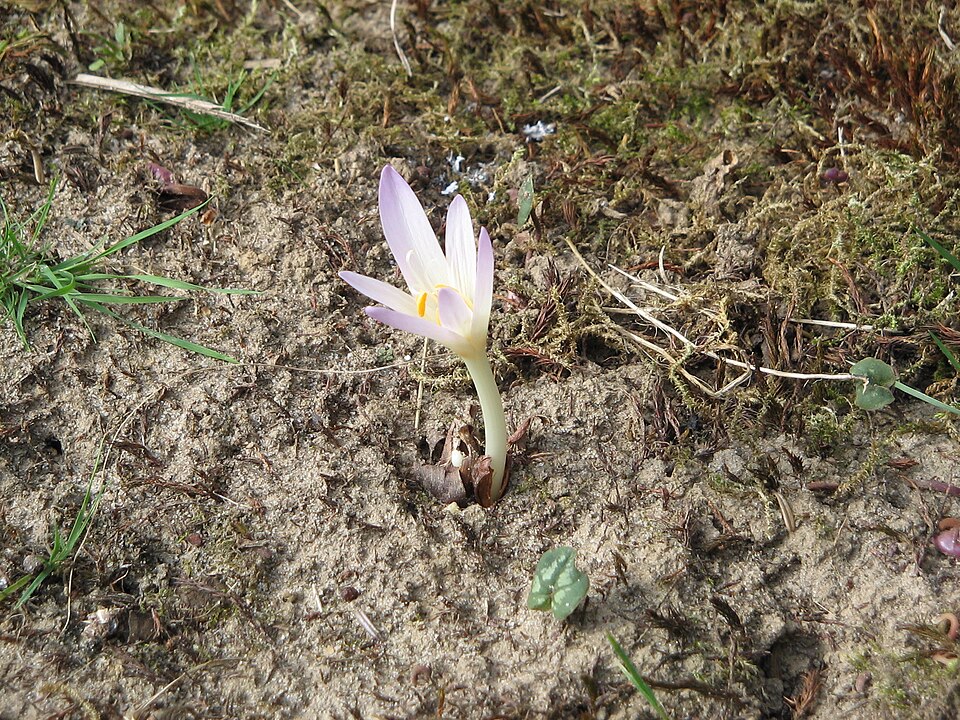
Autumn crocus contains colchicine, a powerful toxin that can cause severe vomiting, diarrhea, dehydration, organ damage, and potentially fatal poisoning. Symptoms may not reveal the seriousness of the exposure immediately.
Grow culinary saffron only from accurately labeled bulbs purchased from a reputable supplier. Keep it separated from ornamental fall-blooming bulbs and never harvest saffron threads from an unidentified crocus-like flower.
8. Foxglove Leaves Can Look Like Borage
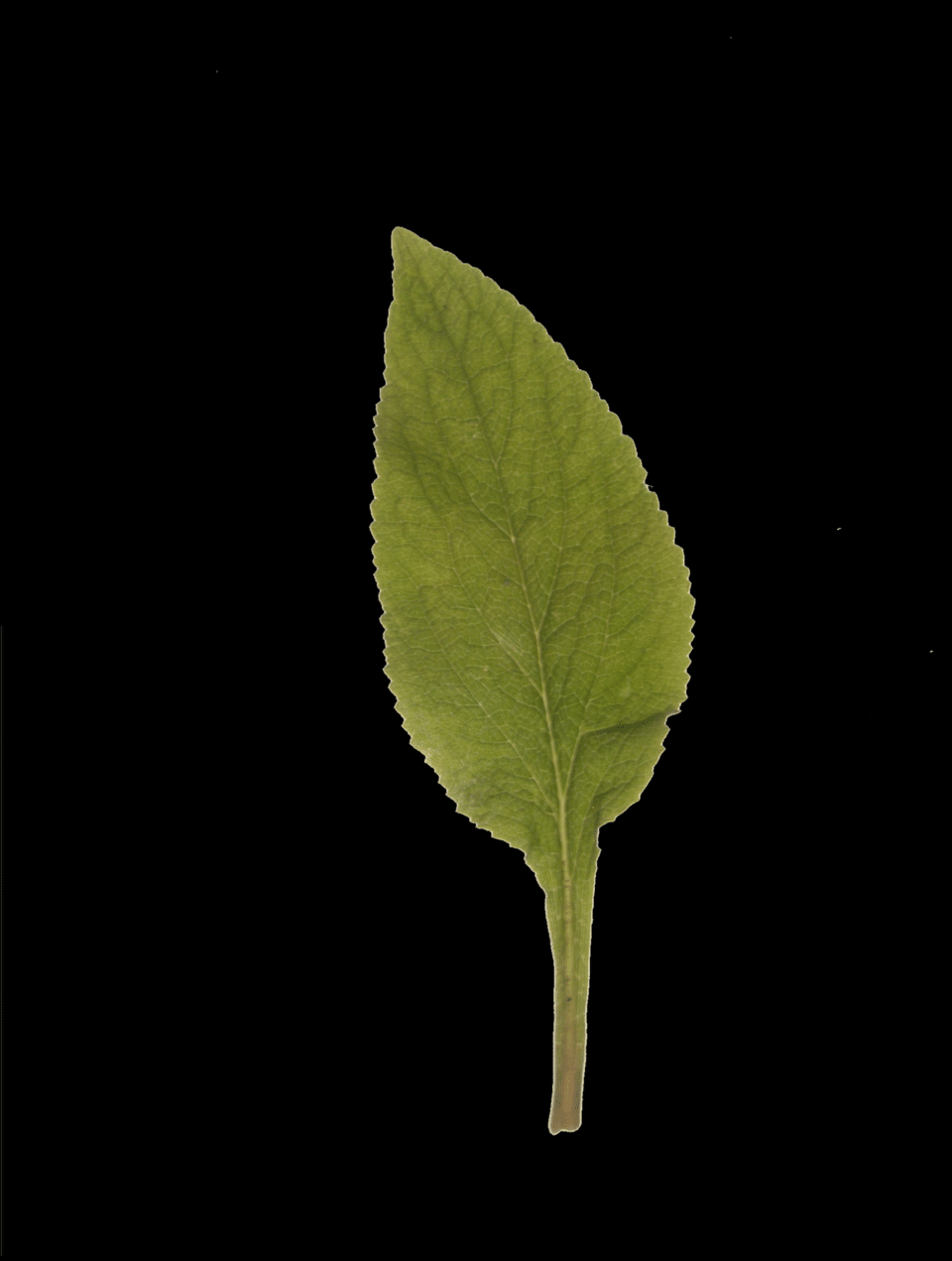
Foxglove is unmistakable when its tall stalks are covered with pink or purple bells. The young plant is easier to misread.
Before flowering, foxglove forms a low rosette of soft, textured leaves. Those leaves have been mistaken for borage, comfrey, and other useful garden plants.
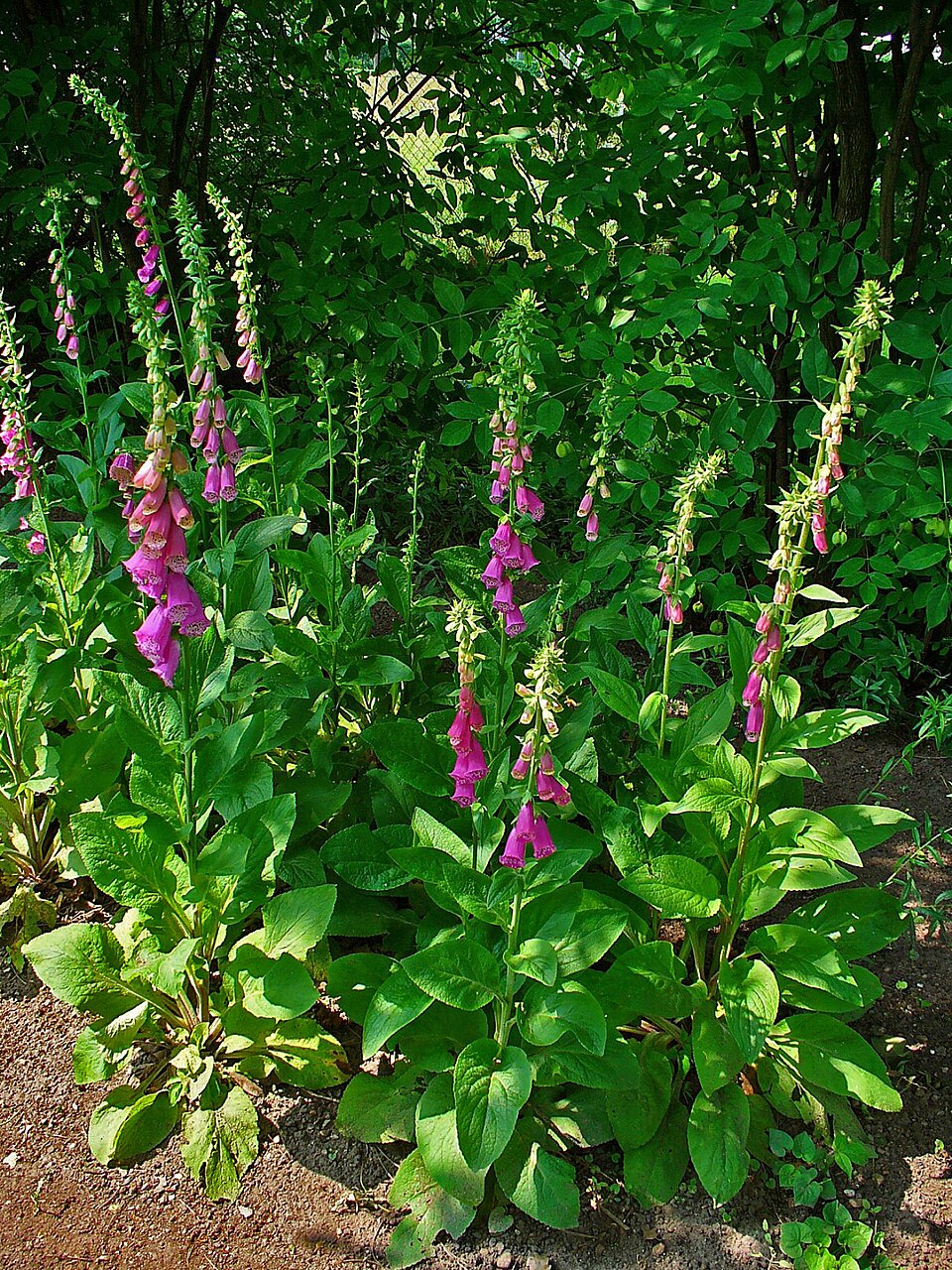
Borage leaves are usually coarse and noticeably bristly. Foxglove leaves tend to feel softer, with a wrinkled surface and prominent veins. Leaf texture varies, though, and gloves can make the difference harder to notice.
Foxglove contains cardiac glycosides that can dangerously alter heart rhythm. Never harvest a fuzzy or wrinkled leaf for food unless the entire plant has been positively identified.
9. Spotted Spurge Can Masquerade as Purslane
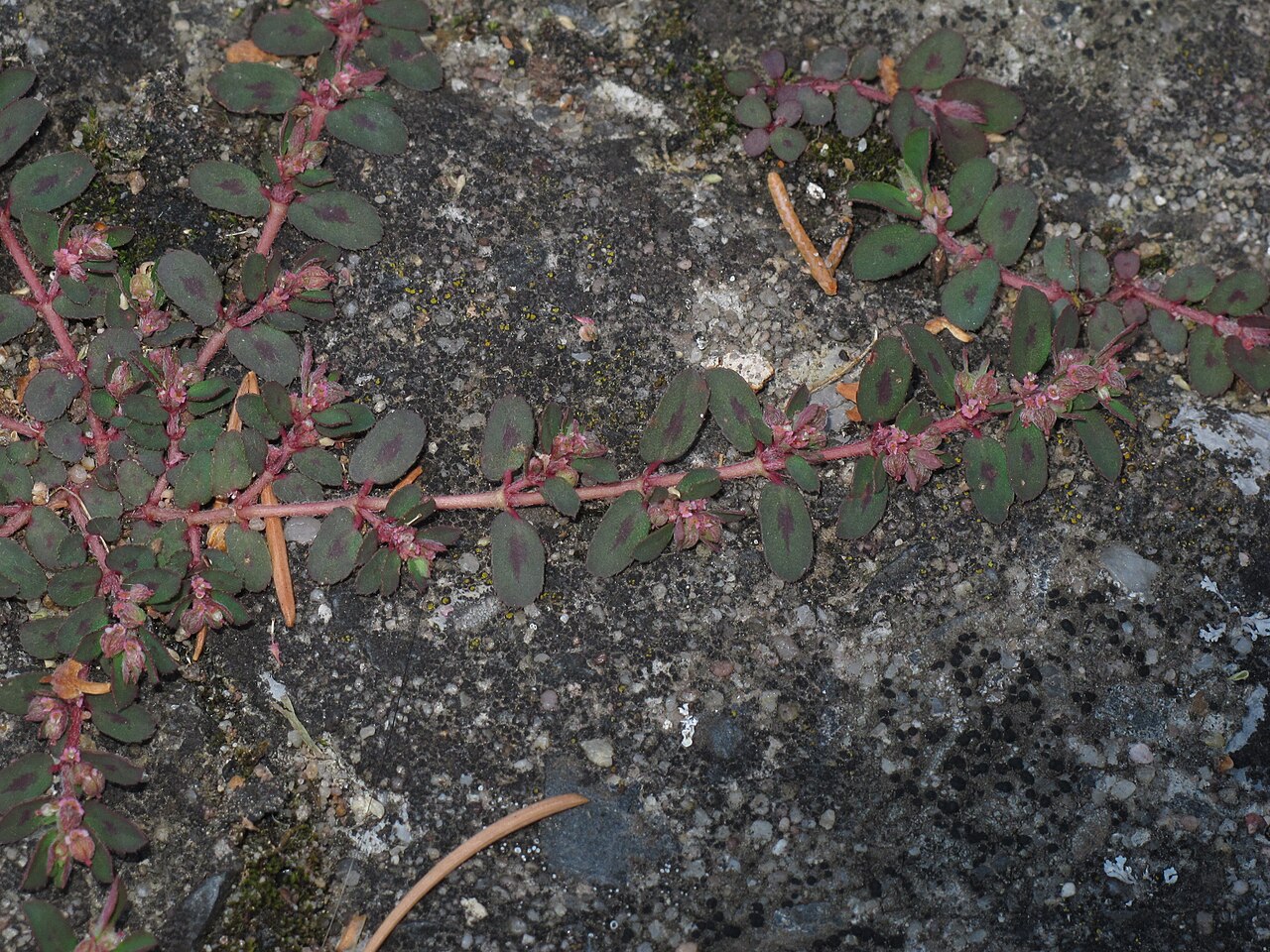
Purslane and spotted spurge both thrive in hot, disturbed soil. They creep across garden beds, sidewalks, and driveway cracks, often appearing in the same places at the same time.
Purslane has thick, smooth, succulent leaves. Spotted spurge has thinner leaves that frequently carry a maroon mark near the center. Its stems may also be hairy.
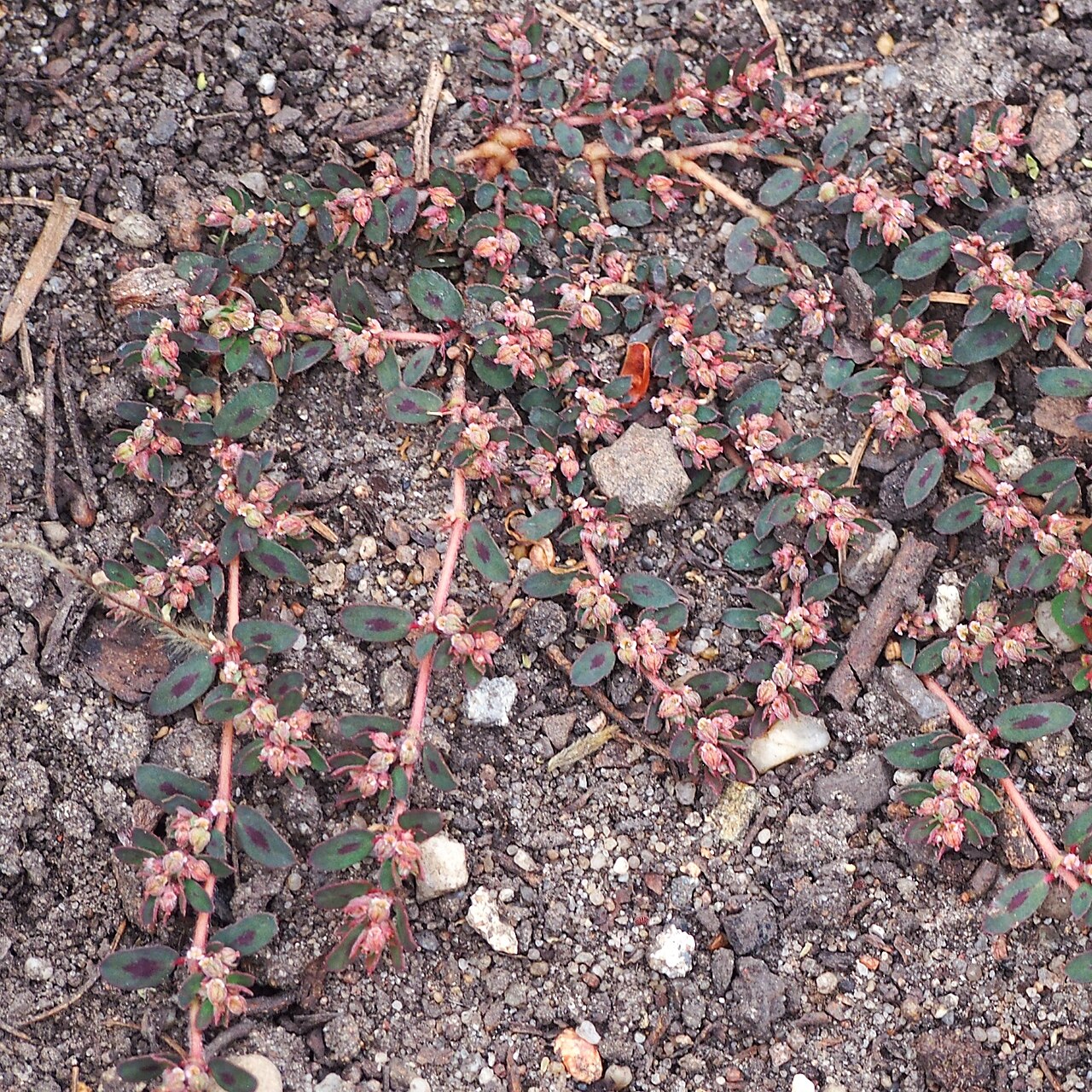
Broken spurge stems release a white, milky latex. Purslane normally produces clear moisture instead. That milky sap can irritate skin and cause serious eye discomfort.
Do not deliberately snap an unknown plant with bare hands to check its sap. Wear gloves, keep your hands away from your face, and wash exposed skin promptly. Do not harvest purslane from a mixed patch until every stem has been checked.
10. Sweet Pea Pods Can Look Like Garden Peas

The name “sweet pea” sounds like something that belongs on a dinner plate. Ornamental sweet peas, however, are not edible garden peas.
After flowering, sweet pea vines produce familiar-looking green pods. A child—or a gardener working too quickly—could easily assume they are small snap peas or shelling peas.

Edible peas are generally grown in the vegetable garden, while ornamental sweet peas are grown for their fragrant flowers. Unfortunately, vines can wander, seeds can spread, and saved seed packets can lose their labels.
Never sample a pea-shaped pod simply because it resembles a familiar vegetable. Keep ornamental sweet peas out of vegetable beds, teach children that the pods are not food, and label saved seeds immediately.
11. Wisteria Pods Can Look Like Fuzzy Bean Pods

Wisteria earns attention in spring with its long chains of purple, pink, or white flowers. Later, the vine develops thick, velvety pods that resemble oversized beans.
The pods become even more tempting as they dry and begin to split. Inside are large, smooth, coinlike seeds that may look collectible or edible to a curious child.

The seeds and pods contain compounds that can cause burning in the mouth, stomach pain, nausea, vomiting, and diarrhea. Children and pets may become ill after eating only a small number of seeds.
Remove low-hanging pods where young children play and collect fallen pods before pets chew them. Wear gloves during cleanup and do not mix the pods with edible bean or pea harvests.
12. Pokeweed Berries Can Look Like Dark Grapes

Ripe pokeweed berries are glossy, dark purple, and filled with vivid red-purple juice. Their hanging clusters can resemble miniature grapes or wild berries ready for picking.
The plant provides several warnings once you know where to look. Mature pokeweed commonly develops thick reddish-purple stems, large simple leaves, and bright pink berry stalks.

All portions of pokeweed contain toxins, with the roots and mature plant generally posing the greatest danger. Swallowed berries can still cause nausea, vomiting, stomach cramps, and diarrhea.
Old traditions involving specially prepared young pokeweed shoots should not be treated as proof that the plant is safe. Preparation mistakes can cause poisoning, and children should never be encouraged to taste the berries.
13. Jerusalem Cherry Can Look Like a Tiny Tomato Plant
Jerusalem cherry is sometimes sold as a colorful ornamental plant. Its glossy leaves and round red or orange fruits make it look like a miniature cherry tomato or pepper plant.
That appearance can be especially convincing when the plant is kept on a sunny patio beside edible vegetables. The bright fruits remain attractive for weeks and sit at an easy picking height for children and pets.

Jerusalem cherry belongs to the nightshade family, but its fruit is not an edible tomato. Swallowing it can cause stomach pain, vomiting, diarrhea, weakness, drowsiness, and other symptoms.
Keep Jerusalem cherry separate from edible tomatoes and peppers. Do not place it on a low table, label it clearly, and remove fallen fruit before a child or animal finds it.
The safest response to an uncertain plant is to leave it alone. Take photographs of the entire plant, leaves, stem, flowers, and growing location, then ask a local extension office or qualified botanist for help. A photograph can support identification, but it should never be the only reason a wild plant ends up on a plate.
Image Attributions
Poison Hemlock
- “Poison Hemlock.jpg” by Djtanng, licensed under CC BY-SA 4.0.
- “2023-05-31 Poison Hemlock leaves and stems” by Famartin, licensed under CC BY-SA 4.0.


Water Hemlock
- “Water Hemlock (35633756750).jpg” by Kimberly Emerson/U.S. Fish and Wildlife Service, released into the public domain.
- “Cicuta maculata – Water Hemlock.jpg” by Fritzflohrreynolds, licensed under CC BY-SA 3.0.
.jpg)

False Hellebore
- “False Hellebore (36984628923).jpg” by GlacierNPS, released into the public domain.
- “False Hellebore (Veratrum viride) flowers” by NPS Photo, released into the public domain.
.jpg)
_flowers._(c86492ee-c668-430c-ad98-3be0c1c9103e).JPG)
Lily of the Valley
- “Lily-of-the-valley.jpg” by D. Gordon E. Robertson, licensed under CC BY-SA 3.0.
- “Convallaria majalis 0002.JPG” by H. Zell, licensed under CC BY-SA 3.0.


Daffodil Bulbs
- “One daffodil bulb.jpg” by Dvortygirl, licensed under CC BY-SA 3.0.
- “Daffodil (Narcissus).jpg” by Betty Wills (Atsme), licensed under CC BY-SA 4.0.

.jpg)
Death Camas
- “Death Camas (27129469322).jpg” by BLMIdaho, photo credit A. Hedrick, licensed under CC BY 2.0.
- “Common Blue Camas and Death Camas together” by brewbooks, licensed under CC BY-SA 2.0.
.jpg)

Autumn Crocus
- “Colchicum autumnale 001.JPG” by H. Zell, licensed under CC BY-SA 3.0.
- “Colchicum autumnale flower.jpg” by Meneerke bloem, licensed under CC BY-SA 4.0.


Foxglove
- “Digitalis purpurea leaf.png” by Pipi69e, released into the public domain.
- “Digitalis purpurea 001.JPG” by H. Zell, licensed under CC BY-SA 3.0.


Spotted Spurge
- “Euphorbia maculata 3 RF.jpg” by Robert Flogaus-Faust, licensed under CC BY 4.0.
- “Euphorbia maculata Wilczomlecz plamisty 2023-07-21 02.jpg” by Agnieszka Kwiecień, Nova, licensed under CC BY-SA 4.0.


Sweet Pea
- “Young Lathyrus odoratus seed pods.jpg” by Trio3D, licensed under CC BY-SA 4.0.
- “Sweet pea (Lathyrus odoratus) seeds.jpg” by Ursus sapien, licensed under CC BY-SA 3.0.

_seeds.jpg)
Wisteria
- “Seed pod of Chinese wisteria” by Jules Verne Times Two, licensed under CC BY-SA 4.0.
- “Wisteria frutescens seeds in curled fuzzy pod halves.jpg” by Dcrjsr, licensed under CC BY 3.0.
,_Ponte_de_Sor,_Portugal_(approx._GPS_location)_julesvernex2.jpg)

Pokeweed
- “Phytolacca-americana-berries.JPG” by Gerhard Elsner, licensed under CC BY-SA 3.0.
- “Phytolacca americana – Pokeweed.jpg” by Fritzflohrreynolds, licensed under CC BY-SA 3.0.


Jerusalem Cherry
- “Jerusalem cherry 4.jpg” by Gannu03, licensed under CC BY-SA 4.0.
- “Solanum pseudocapsicum00.jpg” by Paul venter, licensed under CC BY-SA 3.0.

