Washington gardeners, rejoice! You do not have to spend your weekends babying delicate plants to enjoy a thriving landscape.
These 18 Washington-friendly perennials thrive with minimal care, shrugging off rain, summer dry spells, tough soil, and even a bit of neglect.
Whether you are west of the Cascades, in the Columbia Basin, or somewhere in between, there is something here for your yard.
Get ready to meet the toughest, most beautiful perennials that will keep your garden vibrant year after year.
1. Purple Coneflower (Echinacea purpurea)
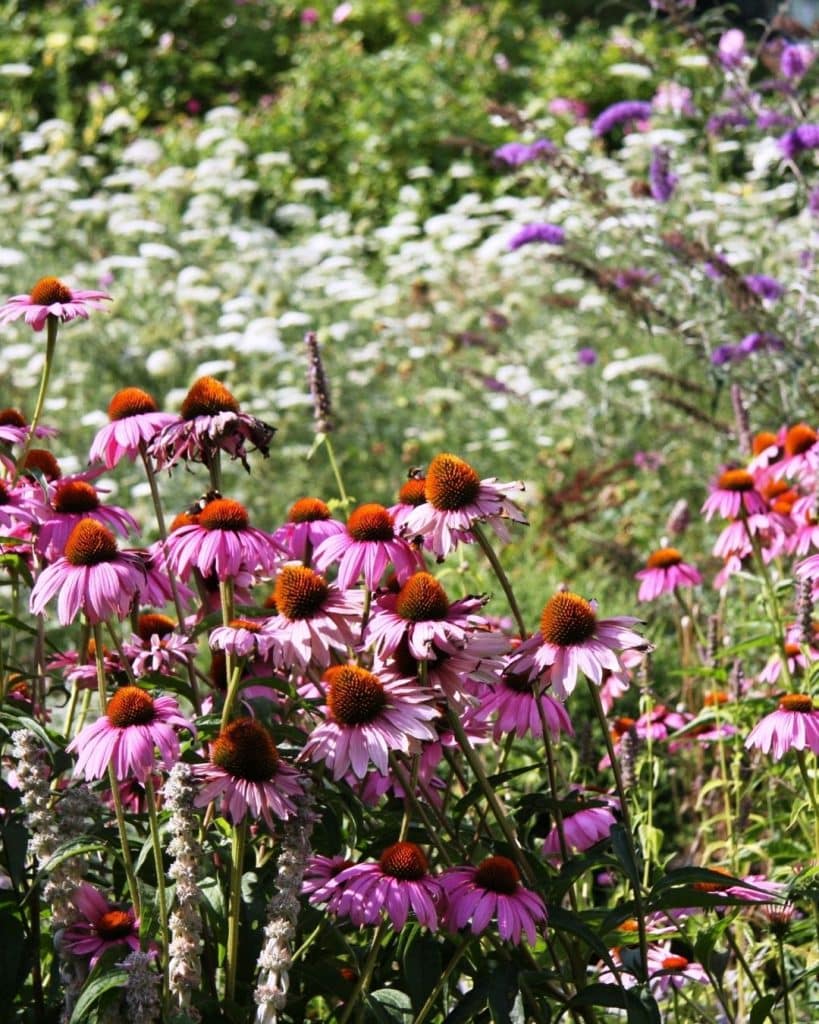
- Tough perennial that handles Washington summer heat once established.
- Iconic pink-purple blooms with a spiky orange cone.
- Pollinator magnet and seed heads feed birds.
Purple coneflower brings big color with very little effort.
Give it sun and decent drainage, and it will keep blooming through summer and into fall.
Even after flowering, the seed heads add texture and keep wildlife visiting.
2. Black-Eyed Susan (Rudbeckia hirta)
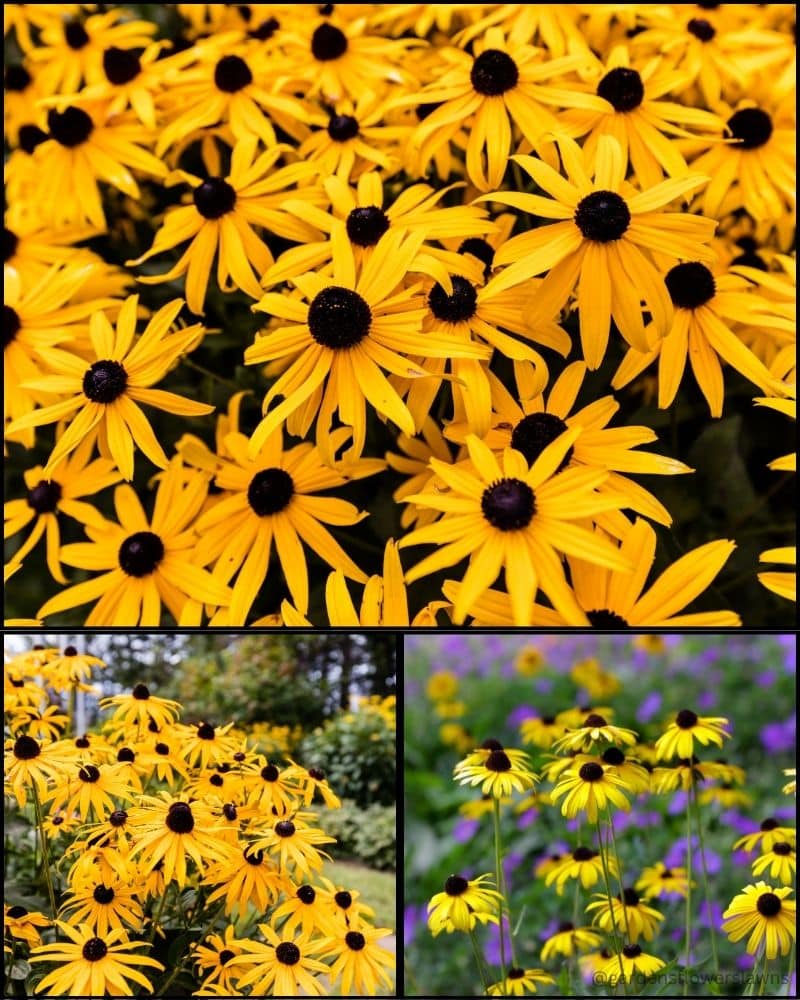
- Bright yellow flowers with dark centers.
- Thrives in full sun and average soil.
- Excellent easy-care wildflower look.
Black-eyed Susan is one of those plants that almost feels foolproof.
It blooms through the heat of summer, handles rough conditions well, and often reseeds enough to keep the show going.
If you want cheerful color without extra work, this one delivers.
3. Bee Balm (Monarda didyma)
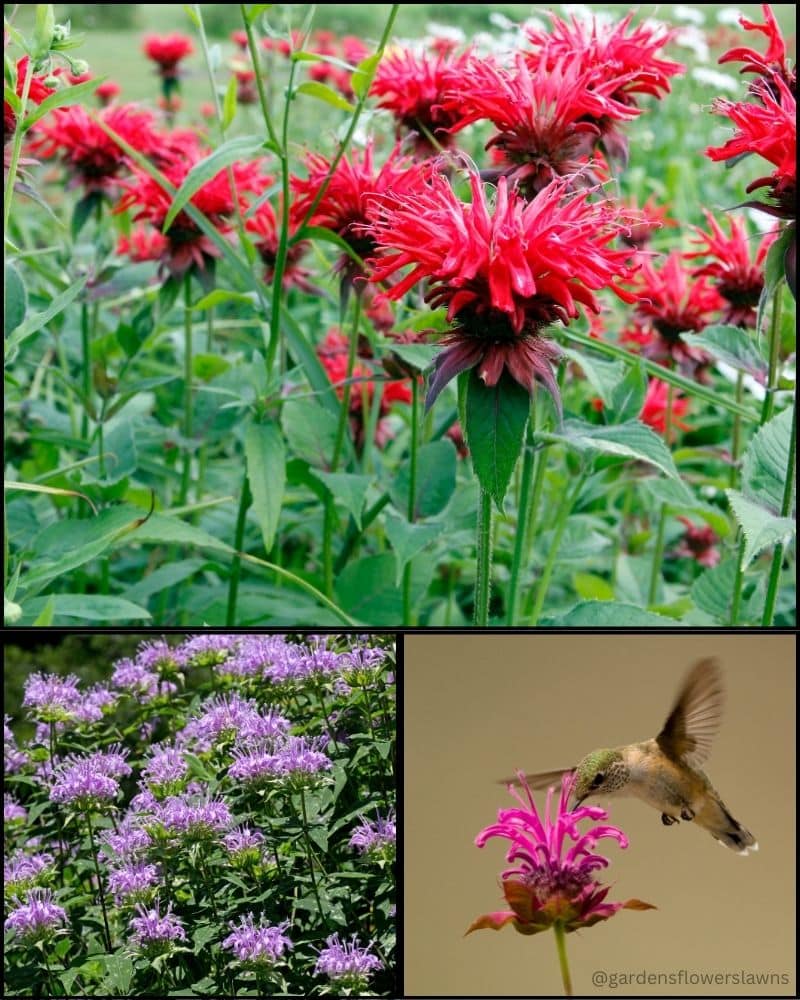
- Bold blooms that hummingbirds and bees love.
- Great for cottage gardens and pollinator beds.
- Best with sun and good airflow.
Bee balm gives a garden that lively, colorful look people always notice.
It shines in summer, attracts pollinators fast, and adds a little wild charm without being hard to grow.
Give it room to breathe, and it will reward you.
4. Coreopsis (Tickseed)
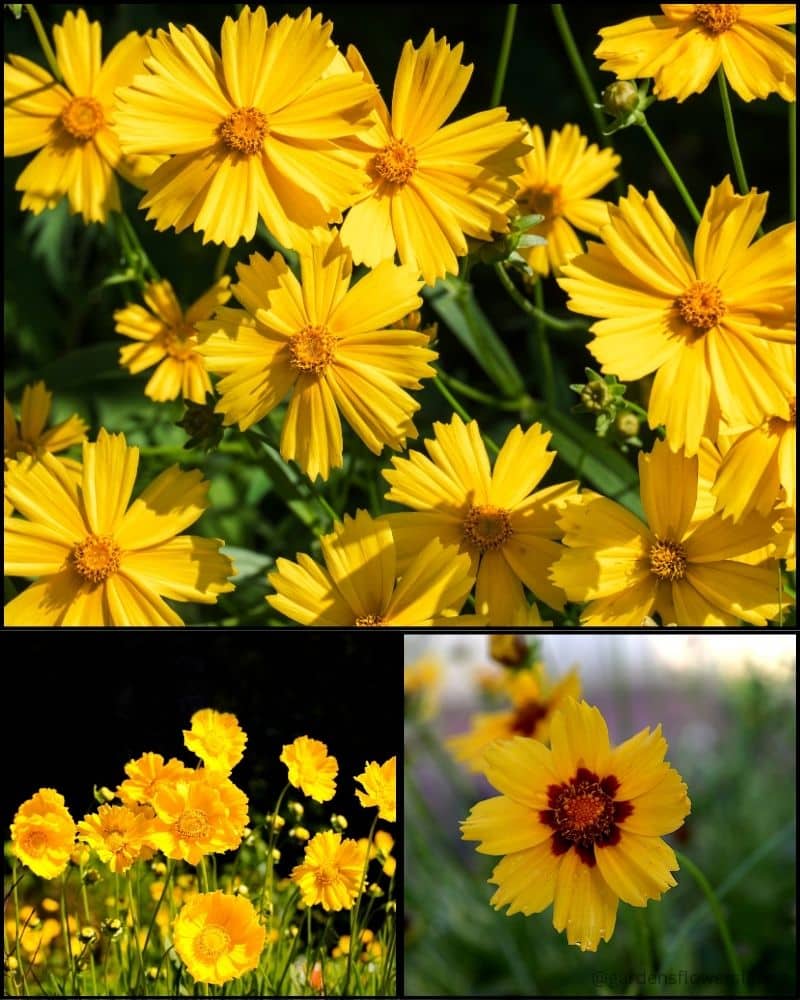
- Cheerful yellow flowers that thrive in full sun.
- Low-maintenance and long blooming.
- Great for borders and naturalized beds.
Coreopsis is the kind of plant that makes you feel like a better gardener than you are.
It blooms hard, handles summer heat, and fits right into Washington yards without asking for much.
Plant it once and enjoy the bright color year after year.
5. Douglas Aster (Symphyotrichum subspicatum)
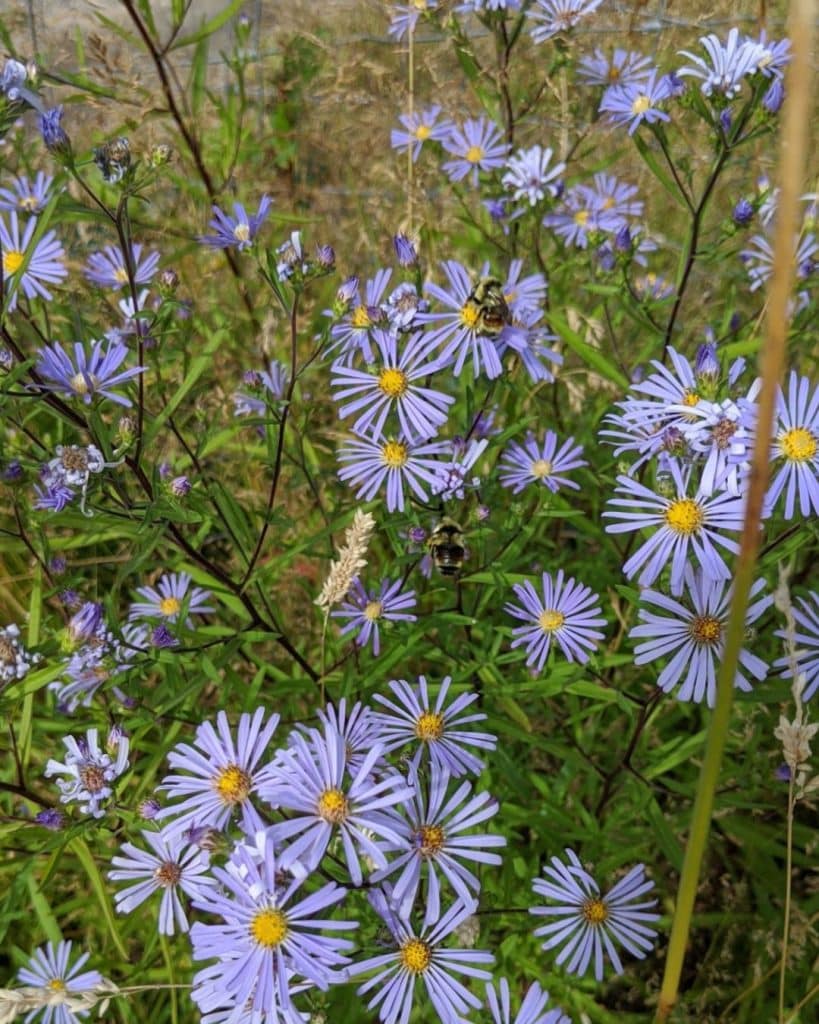
- Pacific Northwest native with lavender-purple blooms.
- Excellent pollinator plant late in the season.
- Handles coastal and inland Washington conditions well.
Douglas Aster feels right at home in Washington.
It blooms late, helps keep the garden colorful when many flowers are fading, and pollinators love it.
If you want a native plant with real regional character, this is a great pick.
6. Yarrow (Achillea millefolium)
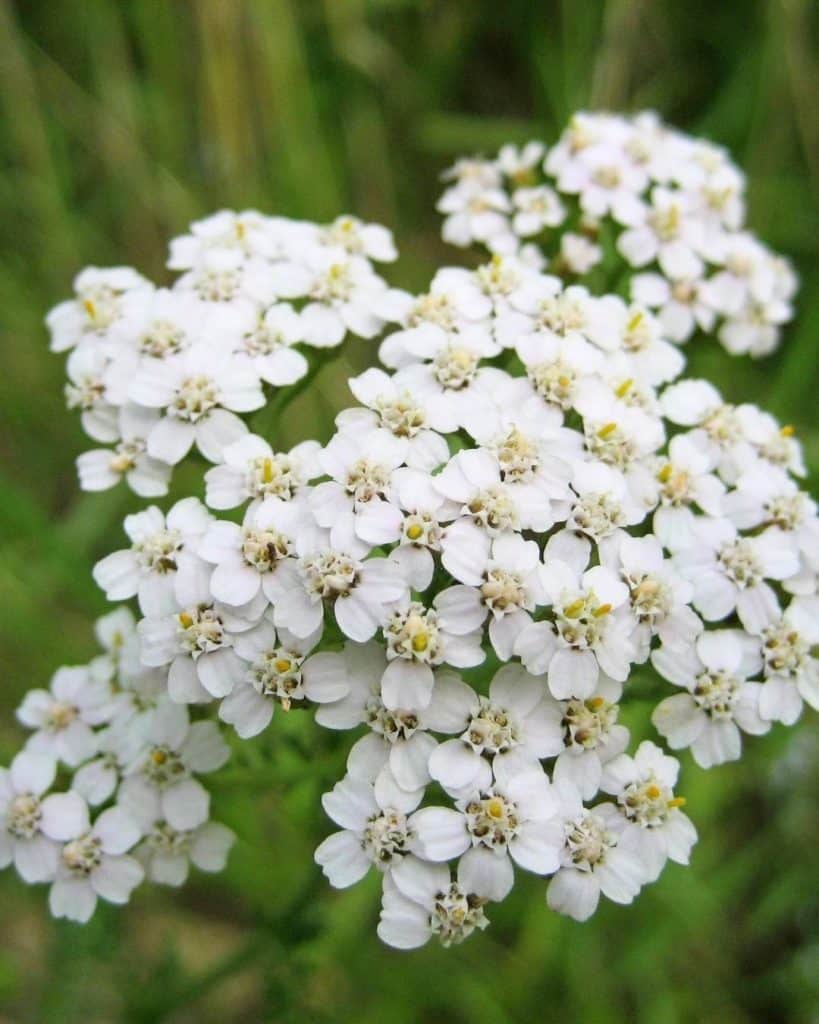
- Flat flower clusters that handle dry spells well.
- Strong choice for sunny borders.
- Easy-care and pollinator friendly.
Yarrow is a good choice when you want something sturdy and low-fuss.
It likes sun, tolerates tough summer weather, and keeps a nice upright look in the garden.
If you have a dry spot that needs reliable color, this one can take it.
7. Anise Hyssop (Agastache foeniculum)
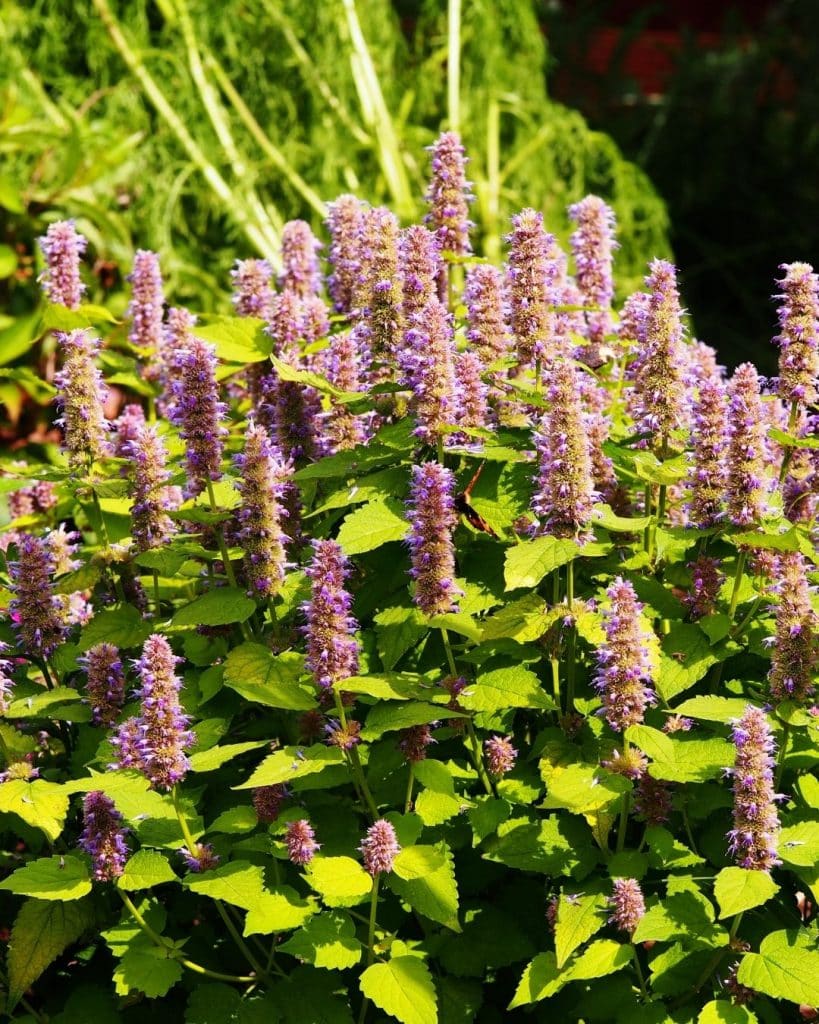
- Purple-blue flower spikes with a light licorice scent.
- Excellent for bees, butterflies, and other pollinators.
- Tough, long-blooming, and easy to grow.
Anise hyssop is the kind of plant that earns its keep all summer.
It blooms for a long time, stands up well to heat, and fills the yard with pollinator activity.
If you want something useful, pretty, and easy, this one checks every box.
8. Blue Star (Amsonia tabernaemontana)
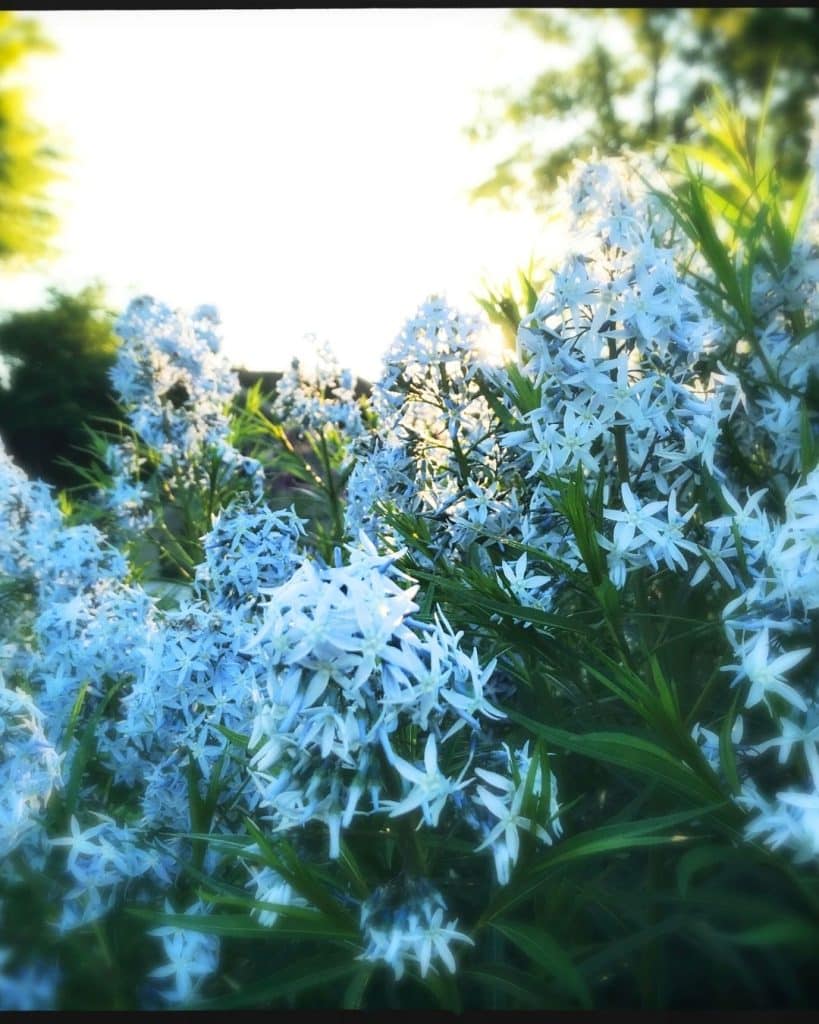
- Soft blue spring flowers and tidy foliage.
- Great for borders and naturalized beds.
- Adds nice fall color too.
Blue star is one of those quiet plants that makes everything around it look better.
It flowers in spring, stays neat through summer, and gives you another little burst of interest when fall rolls around.
For a calm, dependable perennial, it is hard to top.
9. Foamflower (Tiarella cordifolia)
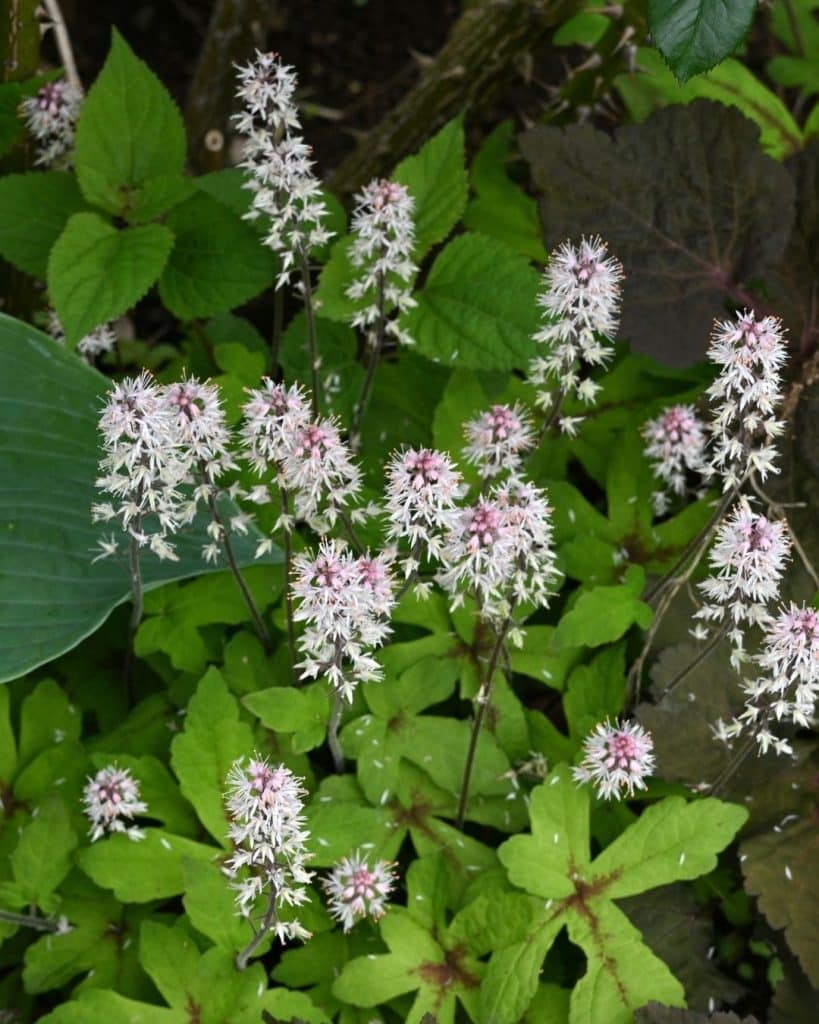
- Excellent groundcover for shade and woodland edges.
- Airy white blooms in spring.
- Low maintenance and great for naturalized areas.
Foamflower is the kind of plant that quietly solves a problem spot.
It handles shade, spreads gently, and adds a clean, woodland look without needing much attention.
For a lower, easier plant in a part-shade bed, it is a smart choice.
10. Oregon Sunshine (Eriophyllum lanatum)
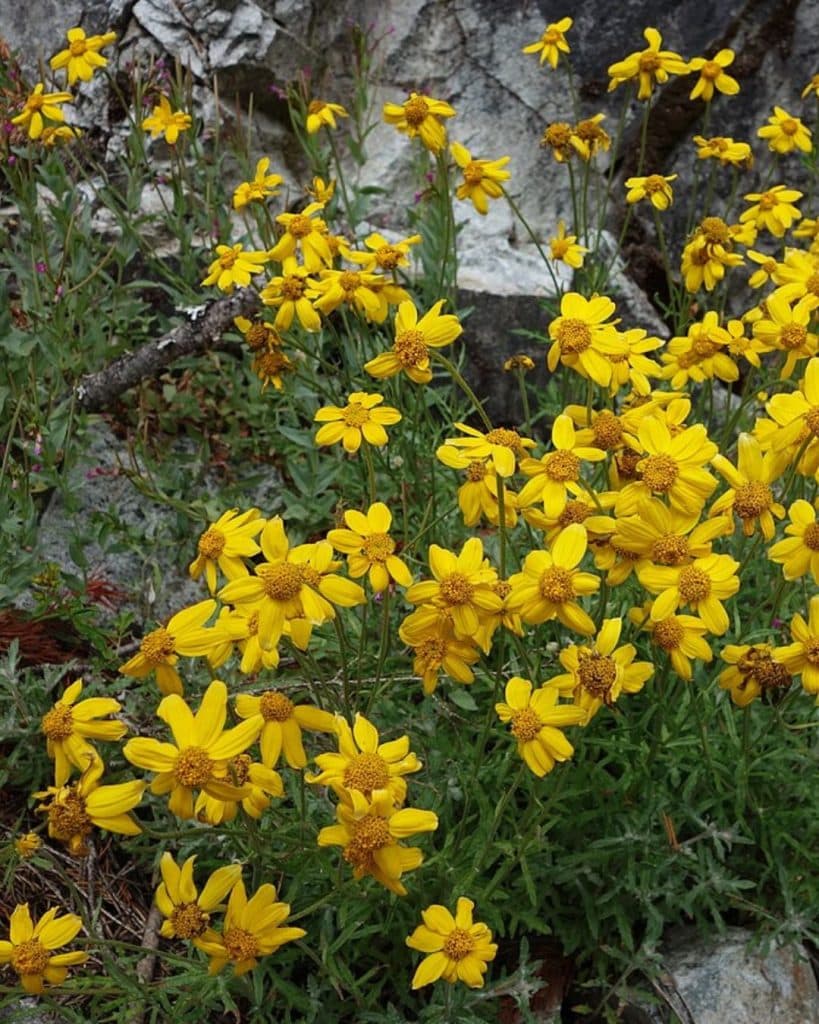
- Bright yellow daisy-like blooms with silver foliage.
- Excellent for dry, sunny Washington spots.
- Strong native-style choice west or east of the Cascades.
Oregon sunshine looks exactly like its name sounds.
It brings bright color to drier parts of the yard and handles lean soil without fuss.
If you want a lower, easy native look, this one works beautifully.
11. Showy Milkweed (Asclepias speciosa)
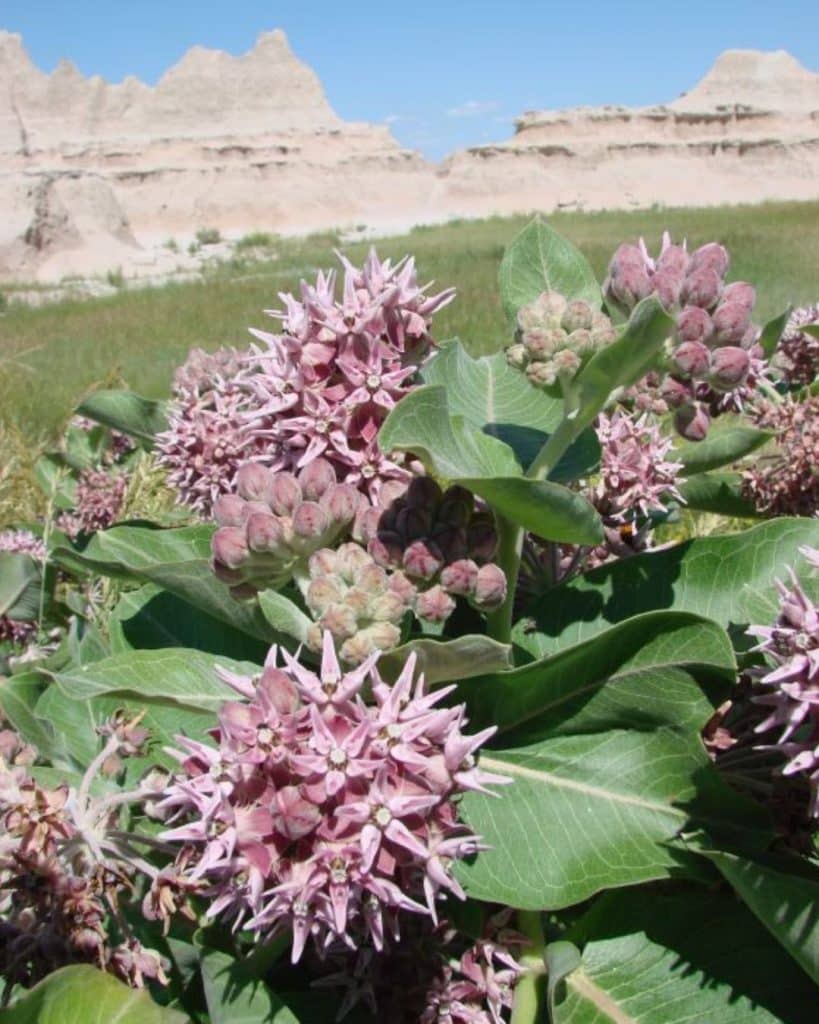
- Soft pink flower clusters with strong pollinator value.
- Important host plant for Monarchs.
- Best in sunny spots with decent drainage.
Showy milkweed brings a wilder, more natural feel to the garden.
It supports pollinators in a big way and gives you soft pink blooms that feel right at home in Washington.
If you want beauty with real ecological value, it earns a spot.
12. Douglas Spirea (Spiraea douglasii)
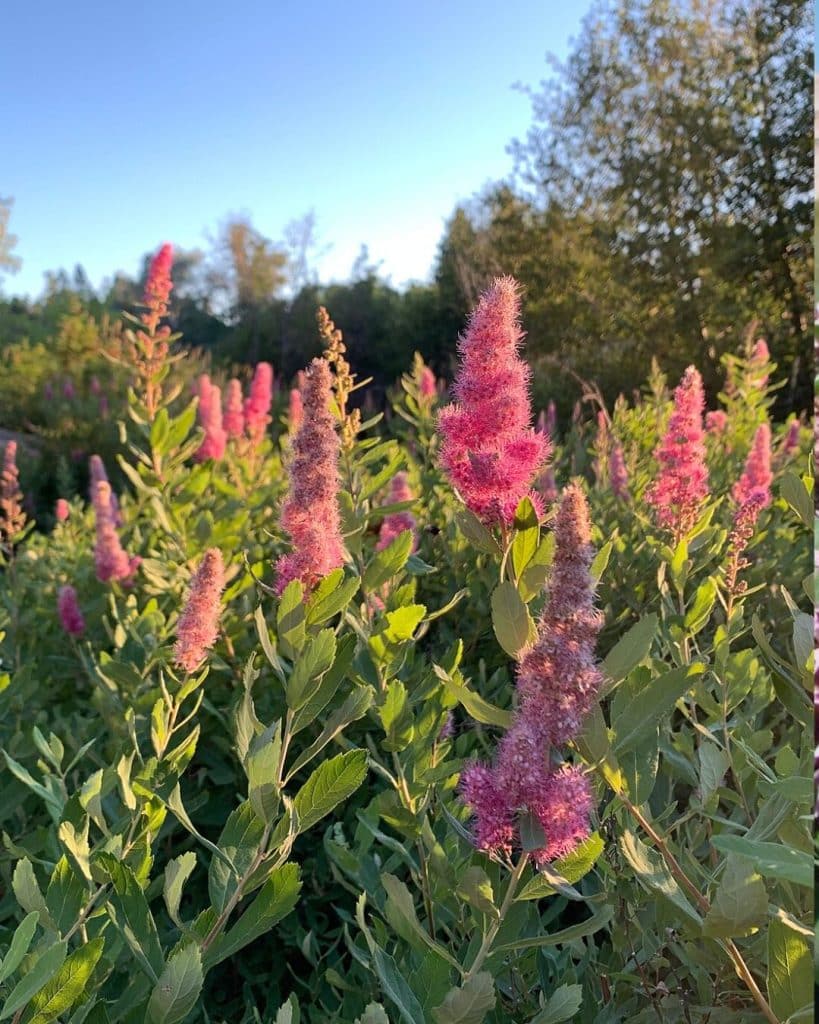
- Pink flower spikes that thrive in wetter soil.
- Great for rain gardens and damp spots.
- Washington native with strong wildlife value.
Douglas spirea is perfect for those spots that stay a little too damp for many flowers.
It brings color, structure, and pollinator activity without turning into a chore.
If you have a lower area that needs help, this plant can make it look intentional.
13. Goat’s Beard (Aruncus dioicus)
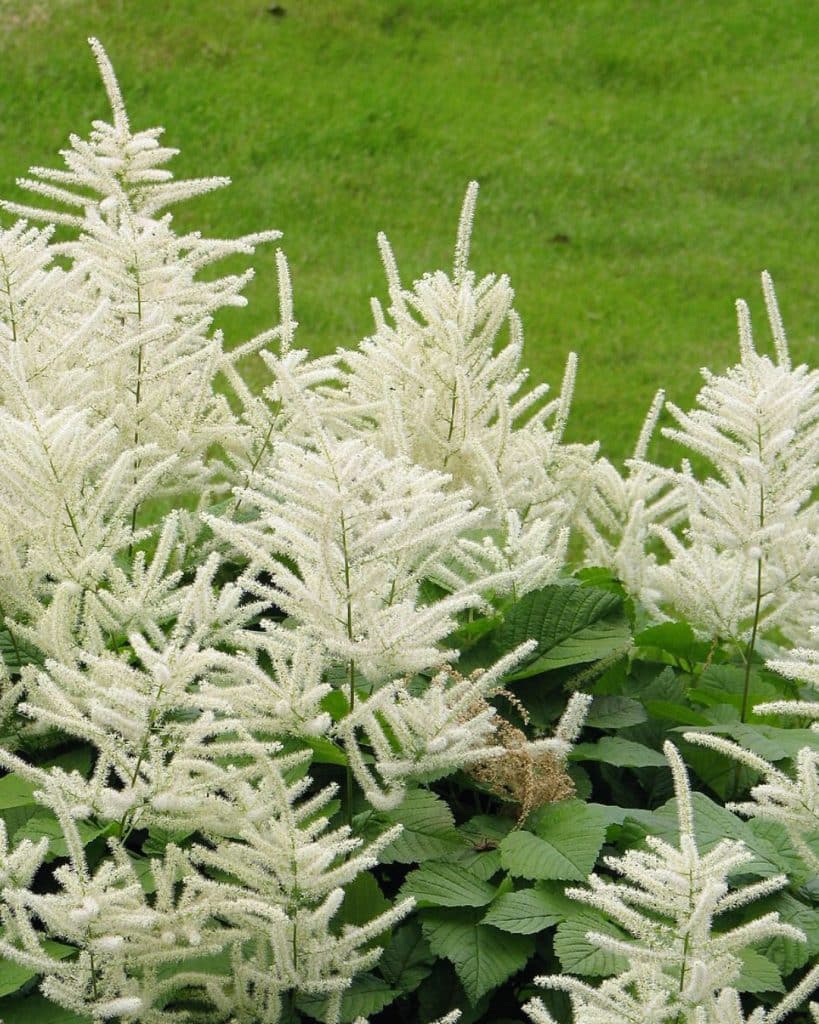
- Large creamy plumes for part shade and moist soil.
- Excellent for woodland or rain-garden edges.
- Bold look with surprisingly low fuss.
Goat’s beard gives a Washington garden that lush woodland look people love.
It fills space well, brings soft plumes of bloom, and works beautifully in part-shade conditions.
If you want something that feels big and graceful without extra drama, this is a strong choice.
14. Sedum (Stonecrop) (Sedum spp.)
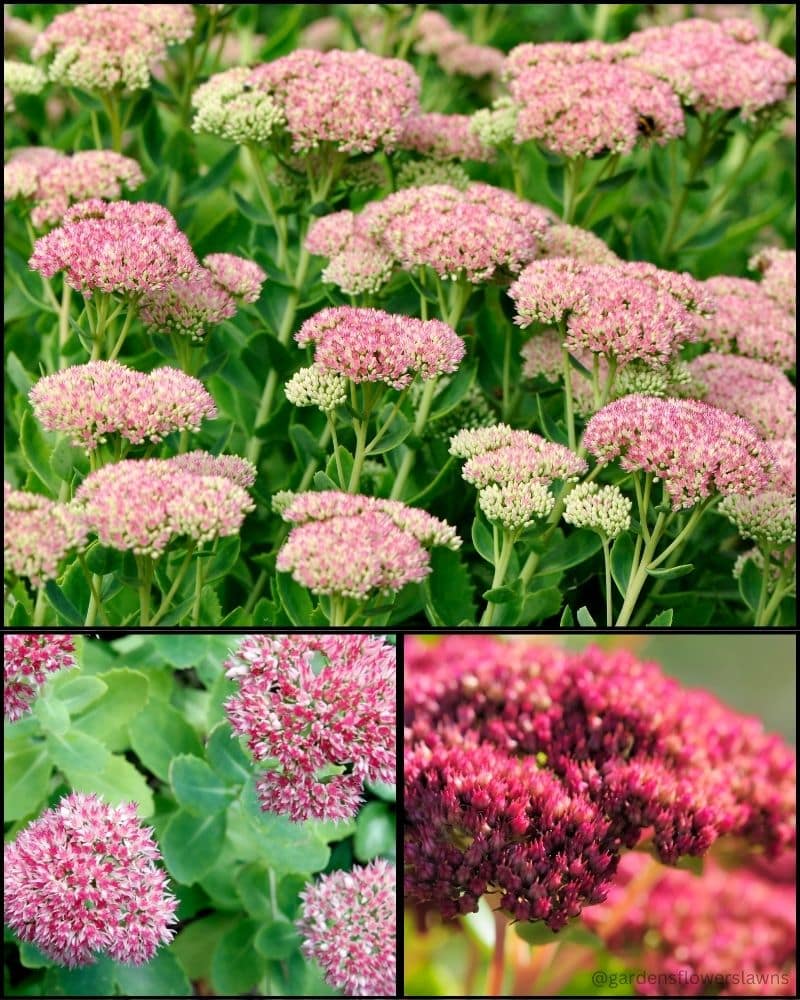
- Succulent perennial that thrives in sun and dry conditions.
- Low water and great for borders or rock gardens.
- Pollinators love the flowers when it blooms.
Sedum is perfect for gardeners who want color without worry.
It tolerates summer dry spells, loves good drainage, and looks great even when you forget about it for a while.
Use it along borders, rock areas, or anywhere you want low-care texture.
15. Prairie Dropseed (Sporobolus heterolepis)
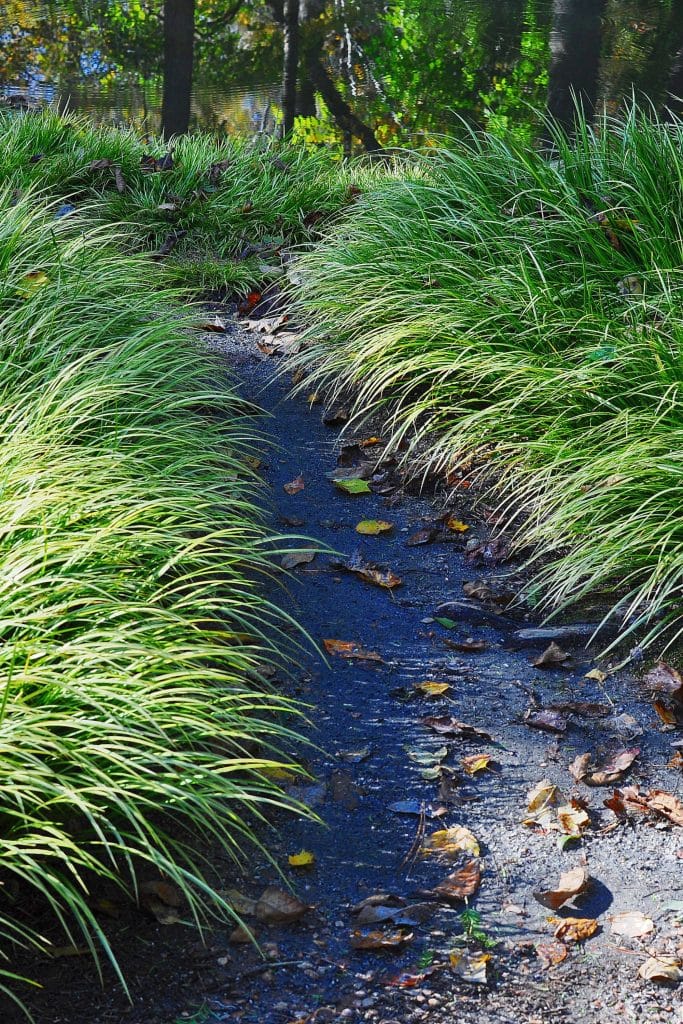
- Graceful grass with fine texture and movement.
- Handles dry conditions and poor soil well.
- Excellent for low-maintenance landscapes.
Prairie dropseed is one of the easiest ways to make a Washington yard look polished.
It stays neat, moves beautifully in the wind, and brings texture even when flowers are not blooming.
Plant it in groups and it really earns its space.
16. New England Aster (Symphyotrichum novae-angliae)
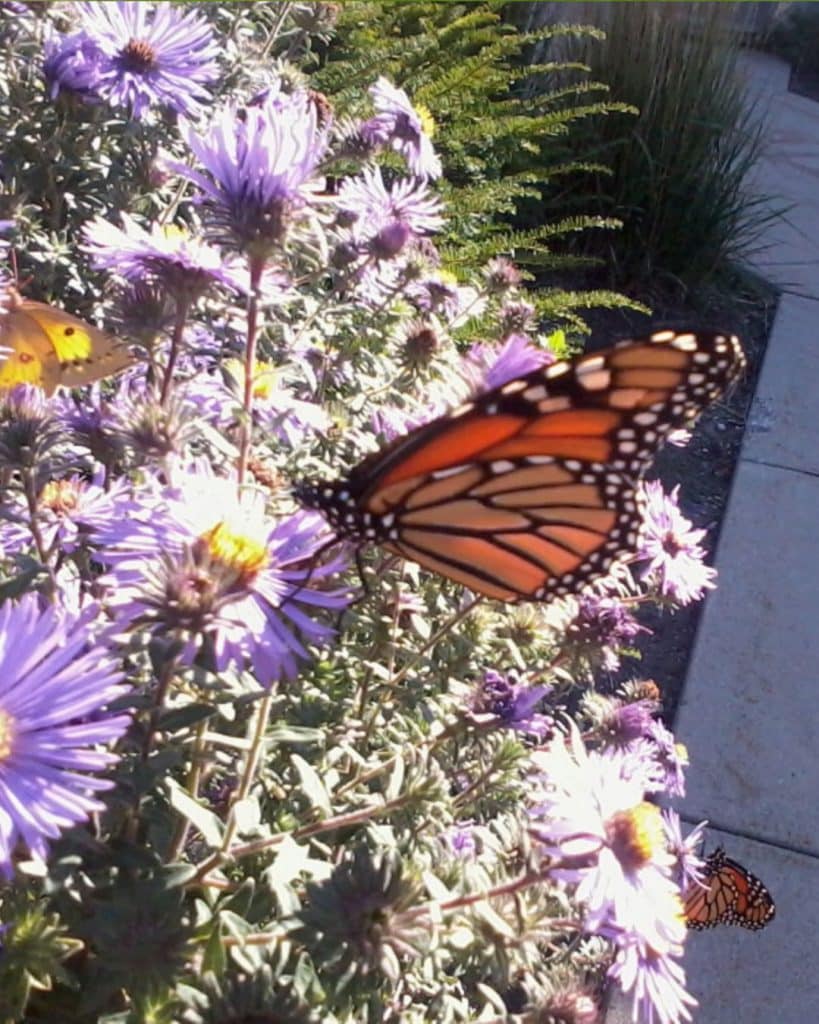
- Late-season purple blooms that pollinators crowd around.
- Excellent for extending color into fall.
- Works well in sun with average to moist soil.
New England aster is one of the easiest ways to keep a garden lively later in the season.
It blooms when a lot of summer flowers are winding down and gives pollinators one more big reason to visit.
For Washington gardens that need a strong fall finish, this is a smart pick.
17. Goldenrod (Solidago spp.)
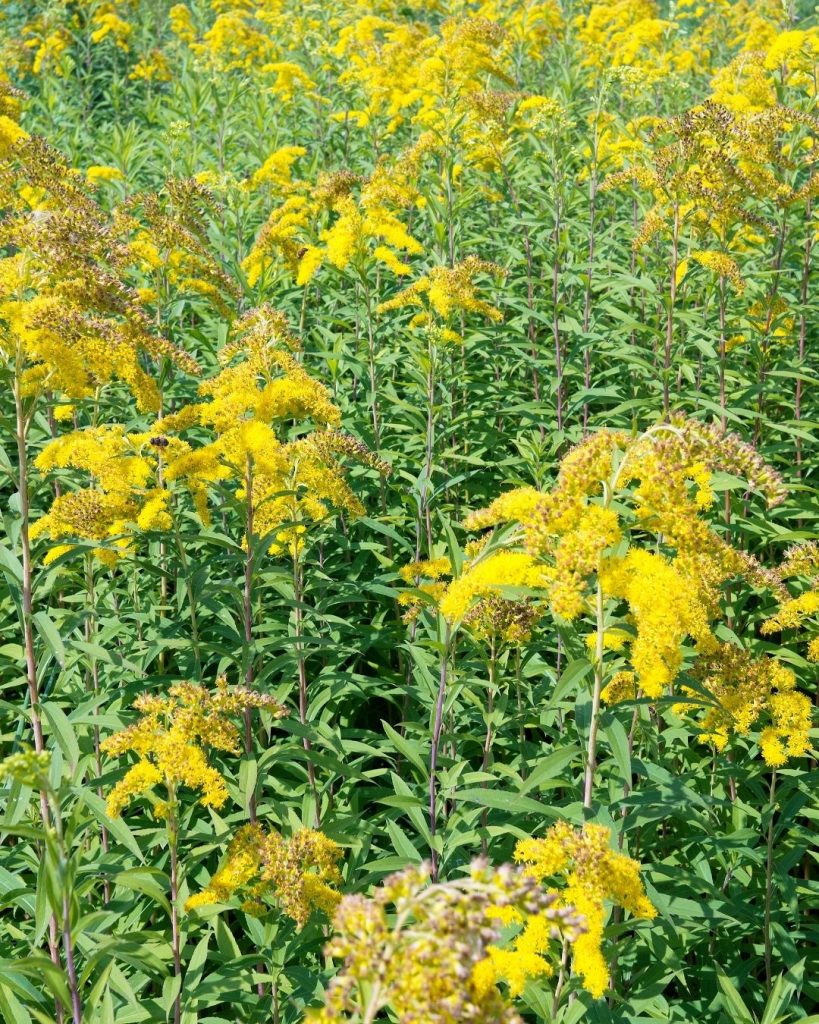
- Brilliant yellow late-season color.
- Excellent for pollinators and native-style gardens.
- Tough enough for a wide range of Washington conditions.
Goldenrod gets blamed for allergies it usually did not cause, but in the garden it is a star.
It blooms late, feeds pollinators, and brings a rich burst of yellow right when the season starts to cool off.
If you want strong native color with very little fuss, it is a good one.
18. Turtlehead (Chelone lyonii)
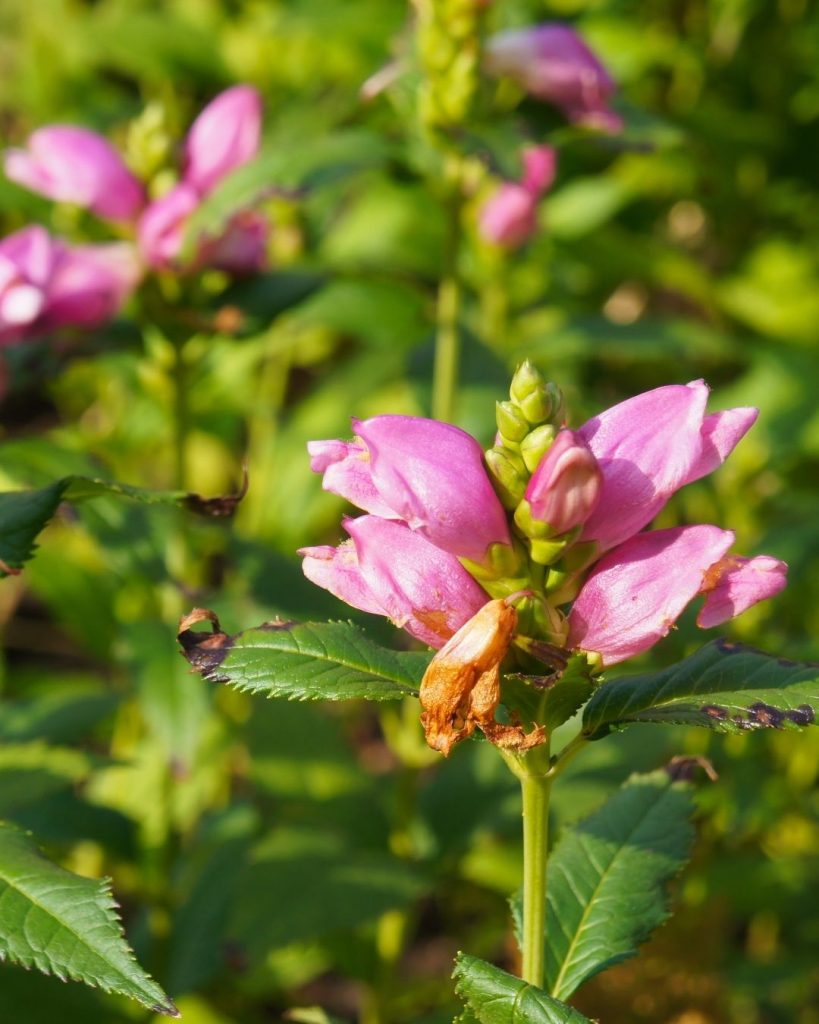
- Pink snapdragon-like blooms for moist or partly shaded spots.
- Excellent for rain gardens and lower areas.
- Late-season color with very little fuss.
Turtlehead is a great closer because it handles the kinds of wetter garden spots many Washington gardeners actually have.
It blooms late, stays attractive, and helps turn a damp area into an asset instead of a problem.
If you have a spot that stays a little too moist, this plant can make it look intentional.
Thank you so much for reading. We hope all of your gardening endeavors are home runs!