Missouri is not gentle on garden plants.
We get spring swings, summer heat that sticks around, humidity that invites mildew, and soil that can feel like a sponge in April and concrete in August.
If you want perennials that come back year after year without constant babying, match the plant to two things:
- How much sun the spot gets
- How wet the soil stays after rain
Pick wrong and you usually get one of four outcomes: rot, flop, mildew, or “looks dead until July.” Pick right and Missouri suddenly gets a lot easier.

When you see a label like (Sun Top Pick) or (Wet Spot Top Pick) in the heading, that is one of my highest-confidence choices for that condition.
Pick the right plants in 30 seconds
Step 1: How much sun does the spot get?
- 6+ hours: Full Sun and Heat Survivors
- 3 to 6 hours: Part Shade and Shade
- Under 3 hours: Deep Shade
Step 2: What happens after a heavy rain?
- Dries fast: Dry, Rocky Spots
- Normal: most plants on this page work
- Stays wet: Damp Spots and Wet Soil
Fast Picks
- Full sun: Purple coneflower, Black-eyed Susan, Butterfly weed, Sedum/stonecrop
- Dry/rocky: Missouri primrose, Winecup, Russian sage
- Part shade: Hosta, Coral bells, Hellebore
- Dry shade: Epimedium
- Wet spots: Swamp milkweed, Cardinal flower, Joe-Pye weed
- Grasses: Little bluestem
Full Sun and Heat Survivors (These don’t melt in July)
These are your workhorses for hot beds, street-facing borders, and anywhere that bakes in summer.
Top 3 survivors
Purple coneflower (Echinacea purpurea) (Sun Top Pick)
If you plant one thing for pollinators and don’t baby it, this is the one.
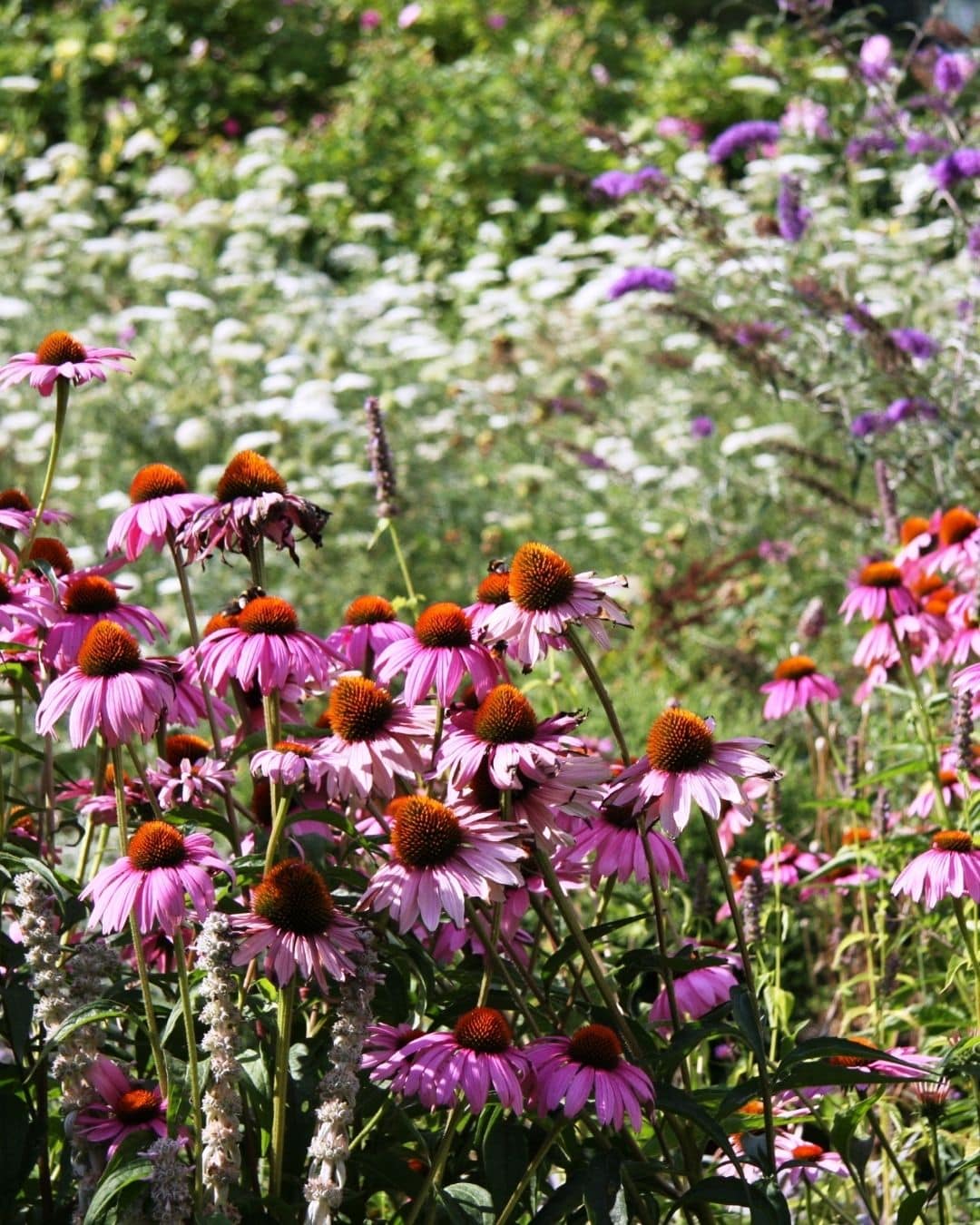
- Best for: long blooms, pollinators, tough yards
- Light: full sun to part shade
- Soil: average, prefers decent drainage
- Missouri survival note: handles heat and uneven watering once established
- Don’t do this: keep it wet in heavy clay
- Quick tip: leave some seed heads for birds, cut others for more blooms
Black-eyed Susan (Rudbeckia hirta) (Sun Top Pick)
This is bold, cheerful color that looks great from the road and forgives a lot.
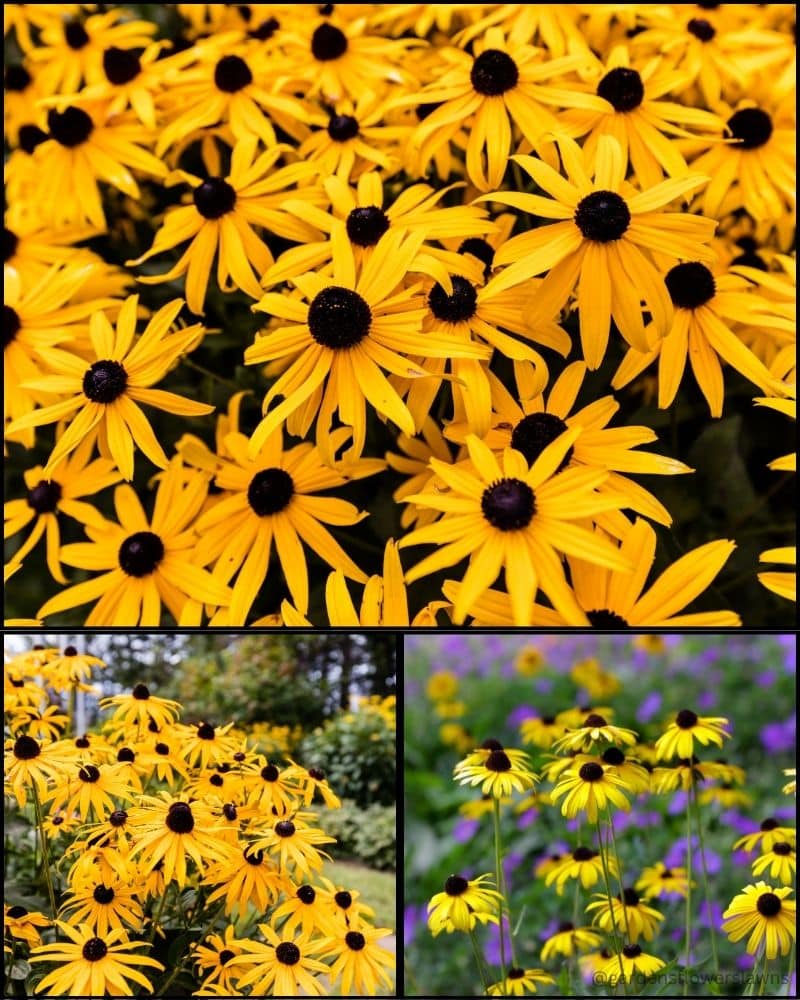
- Best for: big color you can see from a distance
- Light: full sun is best
- Soil: average to tough
- Missouri survival note: does fine in “good enough” soil and tolerates heat
- Don’t do this: plant it in shade and expect thick stems
- Quick tip: if it flops, it usually wants more sun or less rich soil
Butterfly weed (Asclepias tuberosa) (Sun Top Pick)
One of the best “hot summer” plants you can give a monarch, as long as the roots stay dry.
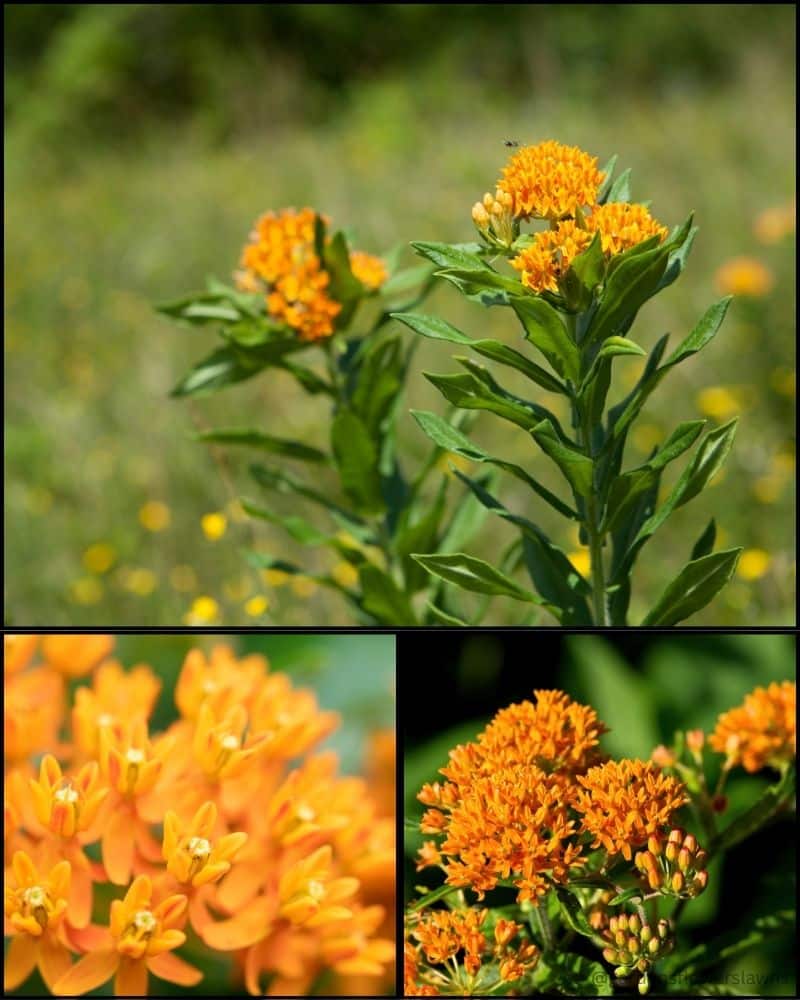
- Best for: orange blooms, monarch support
- Light: full sun
- Soil: well-drained, even rocky
- Missouri survival note: built for hot, dry summers
- Don’t do this: plant it where water sits after rain
- Quick tip: don’t baby it with extra water once it’s settled
Missouri shortcut: If this bed stays wet for 24 hours after rain, skip butterfly weed and go to the Wet Spots picks instead.
More great options
Sedum and stonecrop (Hylotelephium spp.) (Sun Top Pick)
When you want late-season flowers without extra watering, sedum is hard to beat.
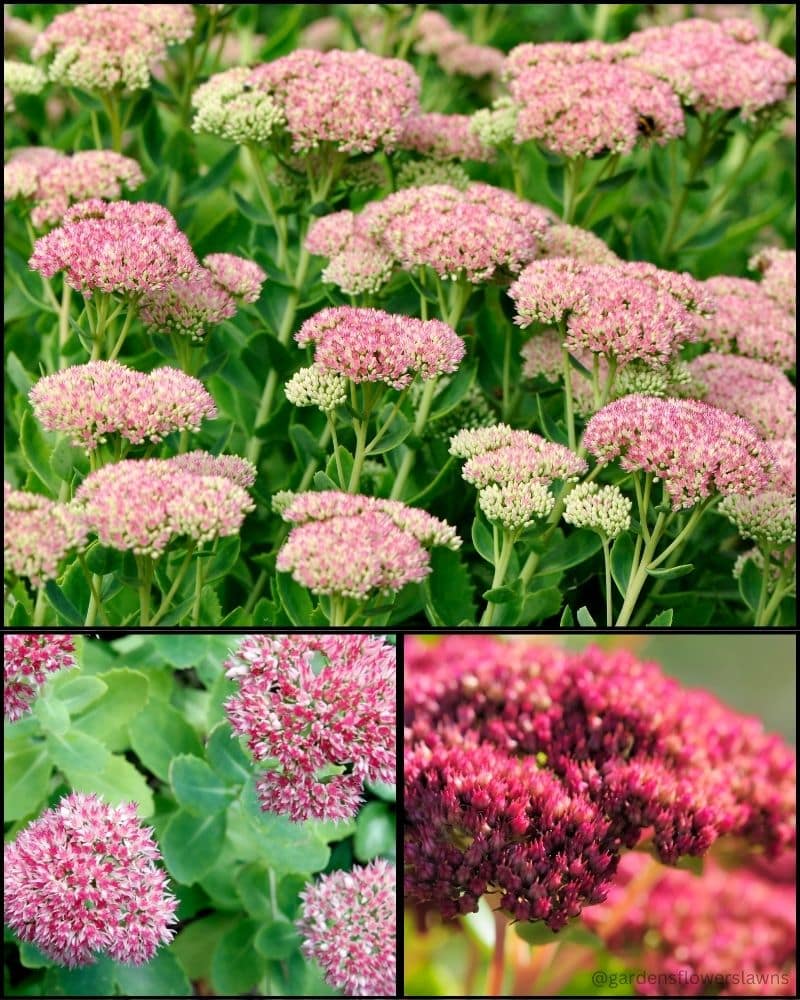
- Best for: drought tolerance and late-season bees
- Light: full sun
- Soil: well-drained, can be poor
- Missouri survival note: one of the best answers for dry sun spots
- Don’t do this: fertilize heavily or keep it too shaded
- Quick tip: if it flops, it’s usually too much shade or too much fertilizer
Blazing star (Liatris spicata)
Those purple spikes look “designed,” and butterflies notice fast.
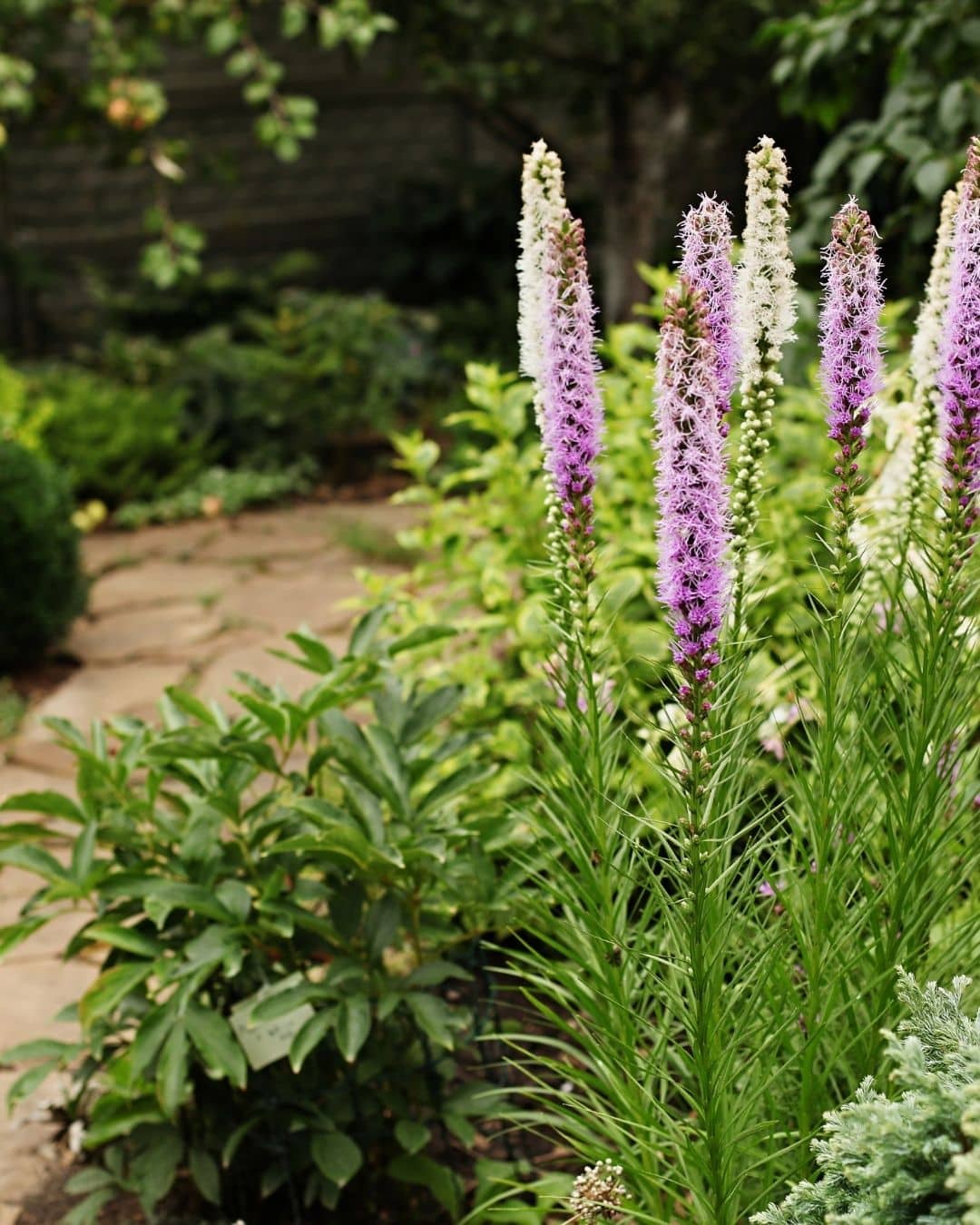
- Best for: purple spikes, butterflies, prairie look
- Light: full sun
- Soil: average to dry, likes drainage
- Missouri survival note: thrives in heat and leaner soil
- Don’t do this: plant in soggy clay and expect it to last
- Quick tip: plant in clumps of 3 to 7 so it looks intentional
Yarrow (Achillea millefolium)
This is a “fills the bed” plant that keeps going when summer gets rude.
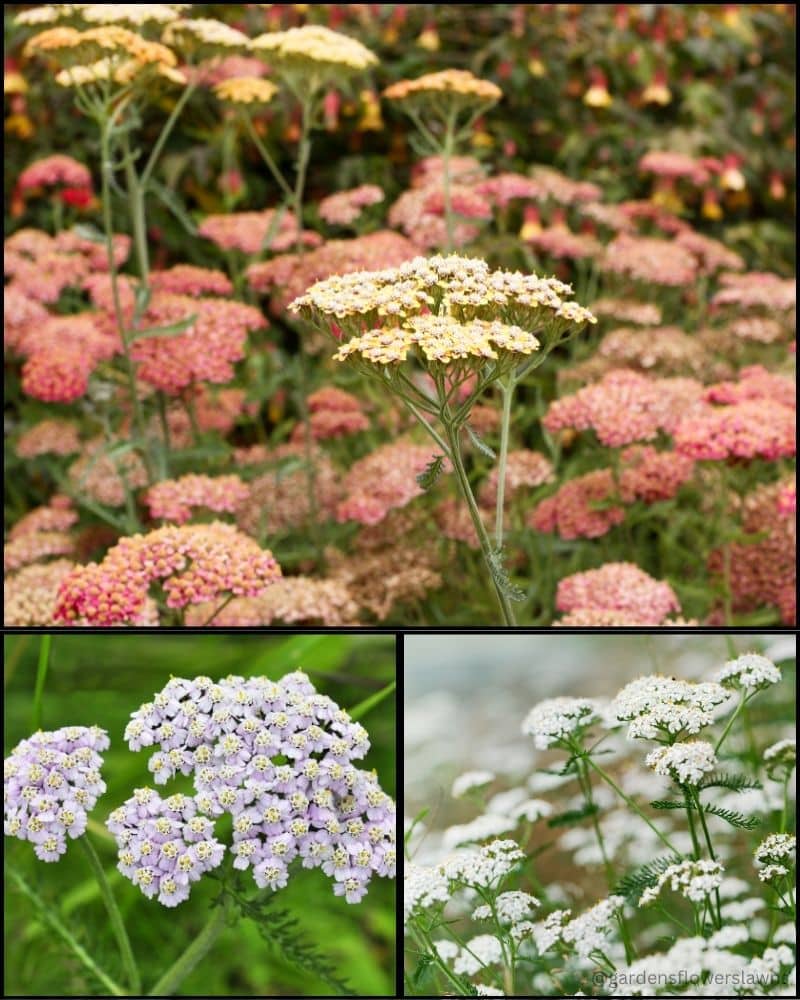
- Best for: long bloom time and strong filler performance
- Light: full sun
- Soil: average to dry
- Missouri survival note: shrugs off heat and drought
- Don’t do this: overwater or overfeed it
- Quick tip: shear it back after a big flush for a fresh round
Catmint (Nepeta spp.)
Soft purple color, long bloom, and it forgives missed watering.
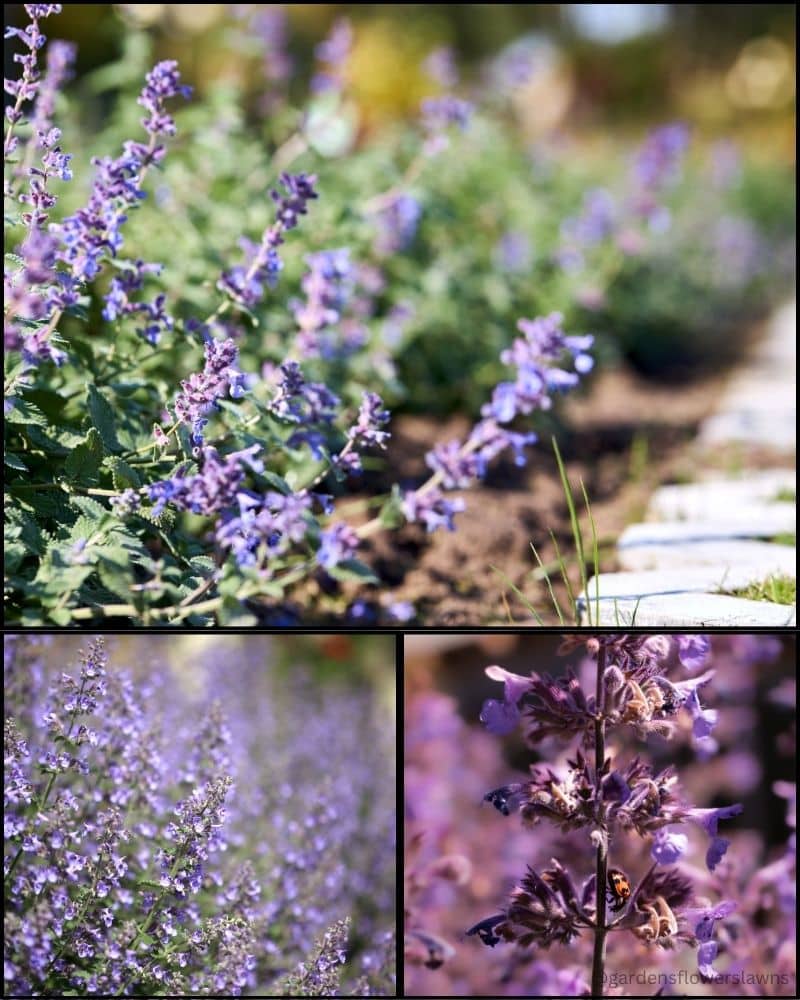
- Best for: a soft purple haze that blooms forever
- Light: full sun to part sun
- Soil: average, well-drained
- Missouri survival note: heat tolerant and forgiving
- Don’t do this: let it get leggy and never cut it back
- Quick tip: cut it back by a third after the first heavy bloom
Coreopsis (Coreopsis spp.)
This is easy yellow that keeps showing up even when you stop fussing.
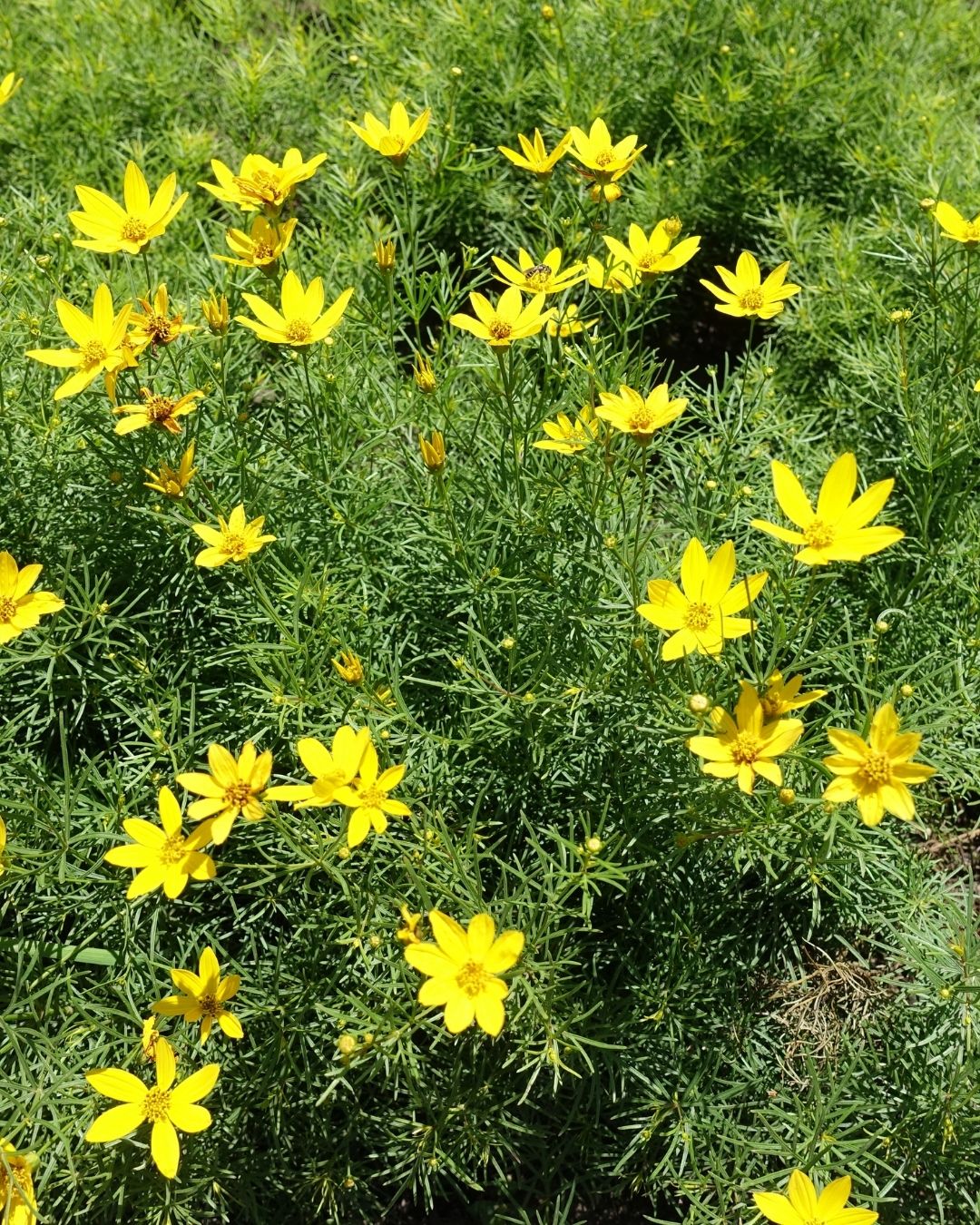
- Best for: nonstop yellow and simple color
- Light: full sun
- Soil: average to dry
- Missouri survival note: loves sun and doesn’t need rich soil
- Don’t do this: drown it in wet clay
- Quick tip: deadhead or shear when it starts looking tired
Quick warning: If you keep “fixing” every planting hole with rich compost, a lot of these sun plants will get floppy. Many prairie-style perennials live longer in average soil.
Salvia (Salvia nemorosa types)
Tidy shape, deep color, and it usually rebounds fast after a haircut.
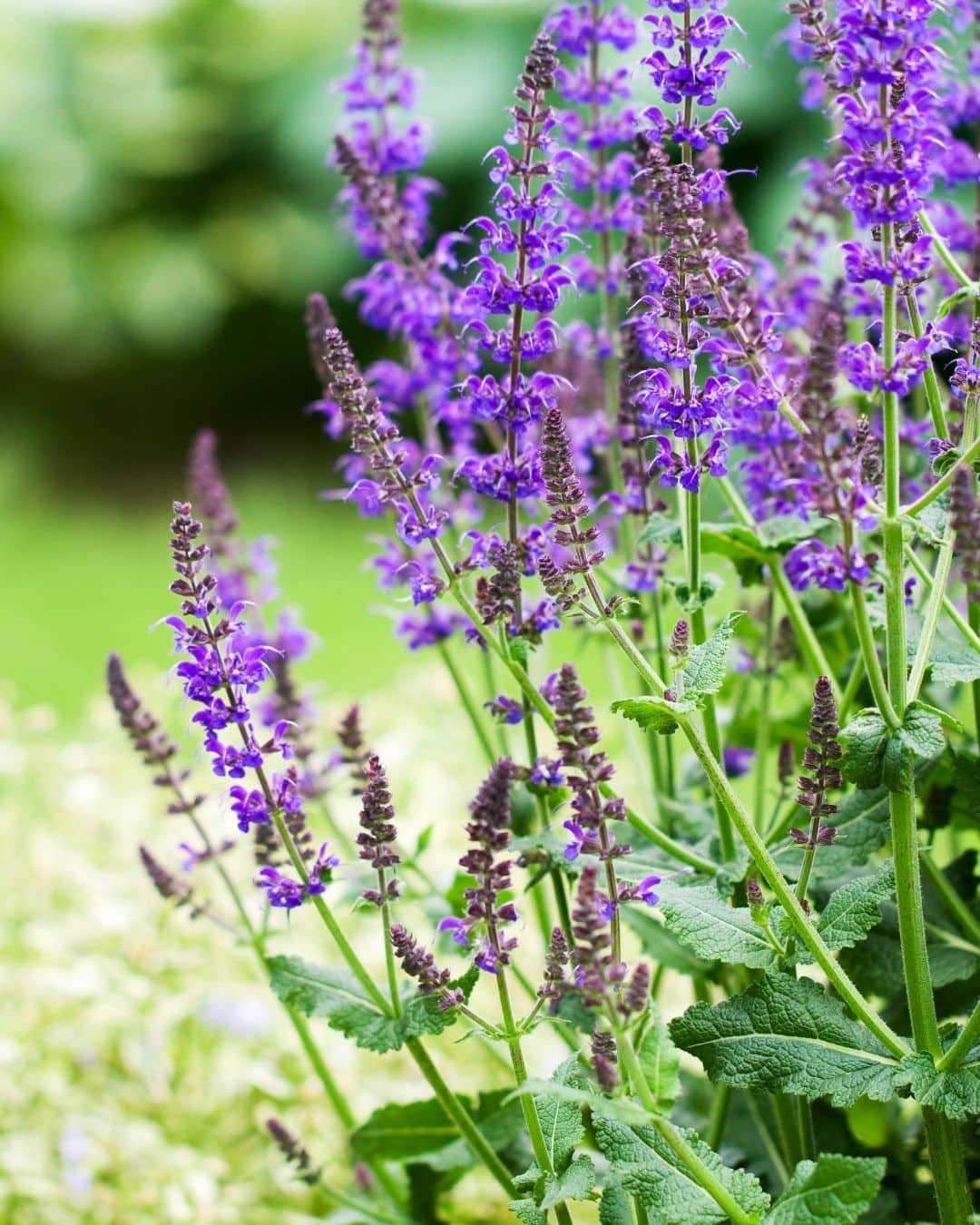
- Best for: deep color, tidy shape, pollinators
- Light: full sun
- Soil: well-drained
- Missouri survival note: handles heat and bounces back after trimming
- Don’t do this: plant it where water sits around the crown
- Quick tip: cut spent spikes and it often reblooms quickly
Daylily (Hemerocallis spp.)
Plant it, ignore it, and it still shows up every year.
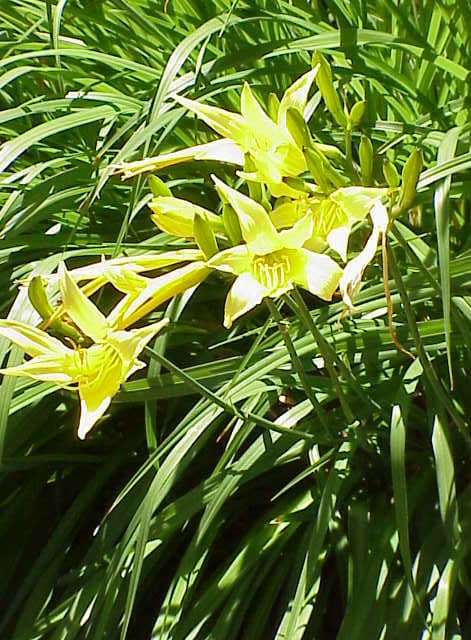
- Best for: dependable color with low effort
- Light: full sun to part shade
- Soil: almost anything
- Missouri survival note: tolerates clay, heat, and neglect
- Don’t do this: leave it crowded for years and expect peak bloom
- Quick tip: divide when clumps get crowded and bloom slows
Peony (Paeonia lactiflora)
Big spring blooms and a plant that can outlive the gardener.
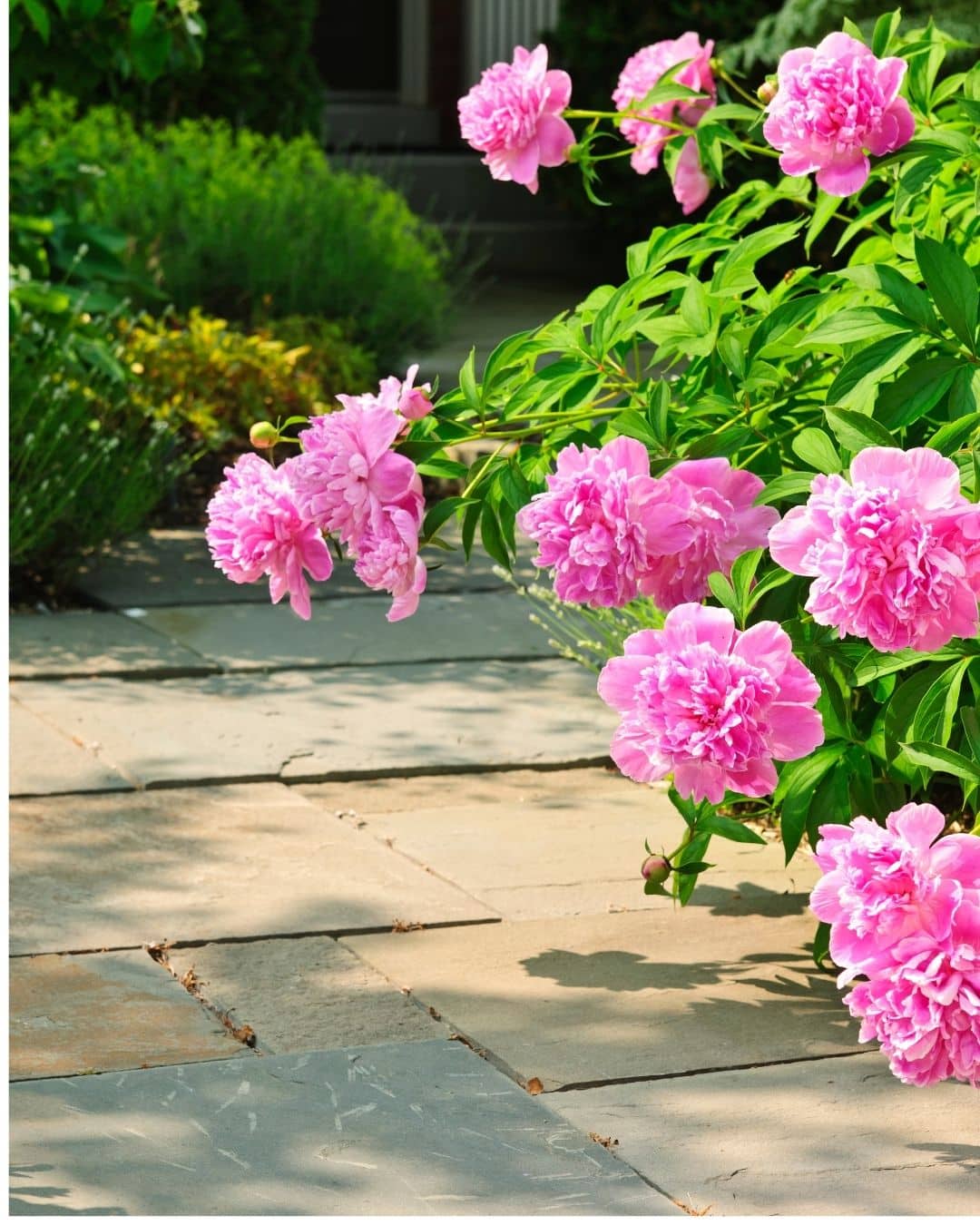
- Best for: massive spring blooms and long lifespan
- Light: full sun to part shade
- Soil: average with decent drainage
- Missouri survival note: tough, cold-hardy, and long-lived
- Don’t do this: plant crowns too deep
- Quick tip: plant shallow, deep crowns lead to weak flowering
False indigo (Baptisia australis)
This acts like a shrub once it’s established, and it’s built for tough summers.
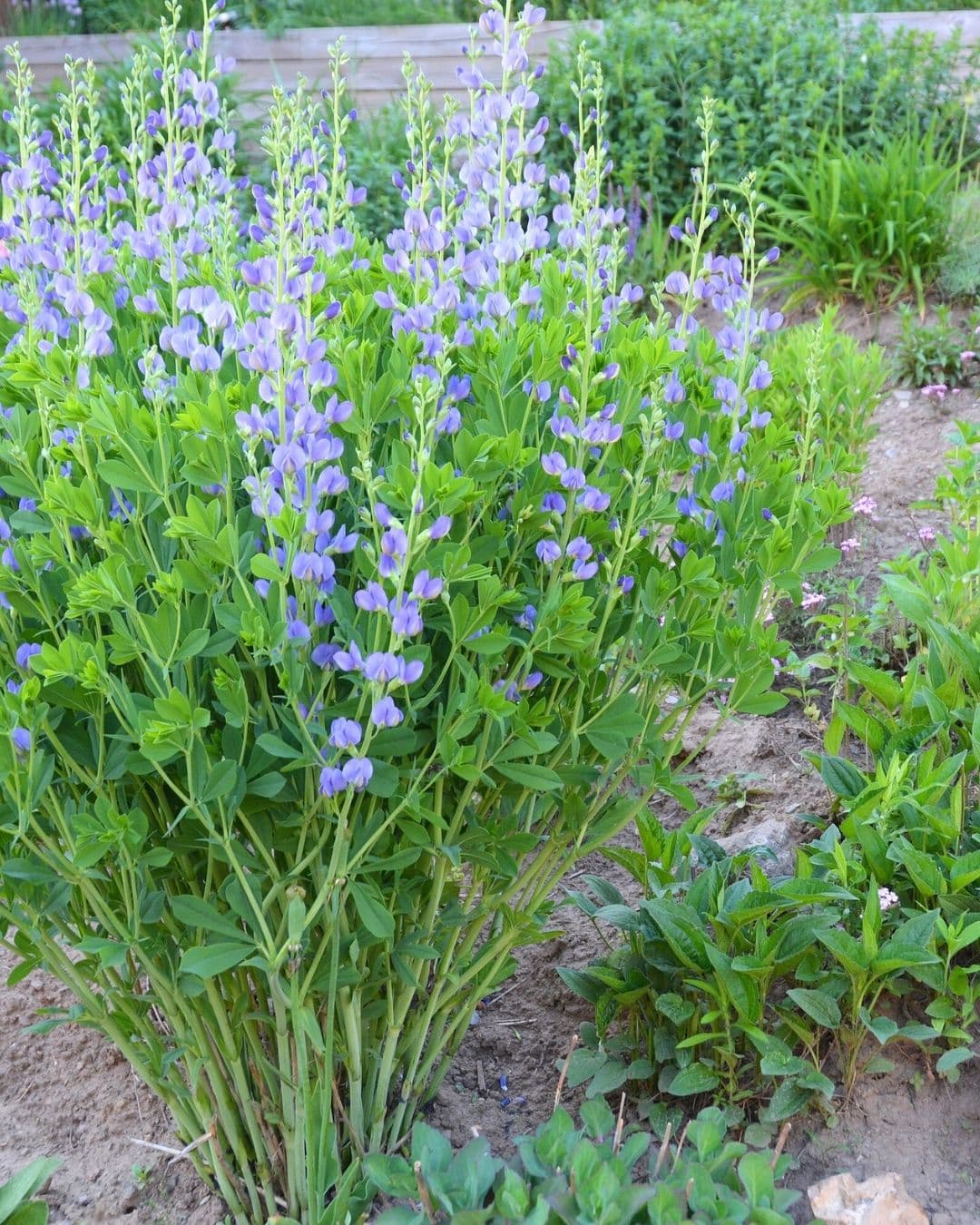
- Best for: a big, sturdy plant with presence
- Light: full sun
- Soil: average to dry
- Missouri survival note: deep roots help it ride out drought
- Don’t do this: move it around once established
- Quick tip: give it room, it grows larger every year
Dry, Rocky Spots (Where most perennials give up)
If your soil cracks, your bed is on a slope, or you’ve got rocky fill, stop fighting it. Plant for it.
Top 3 survivors
Missouri primrose (Oenothera macrocarpa) (Dry Soil Top Pick)
Perfect for hot edges and slopes where you never want to drag a hose.
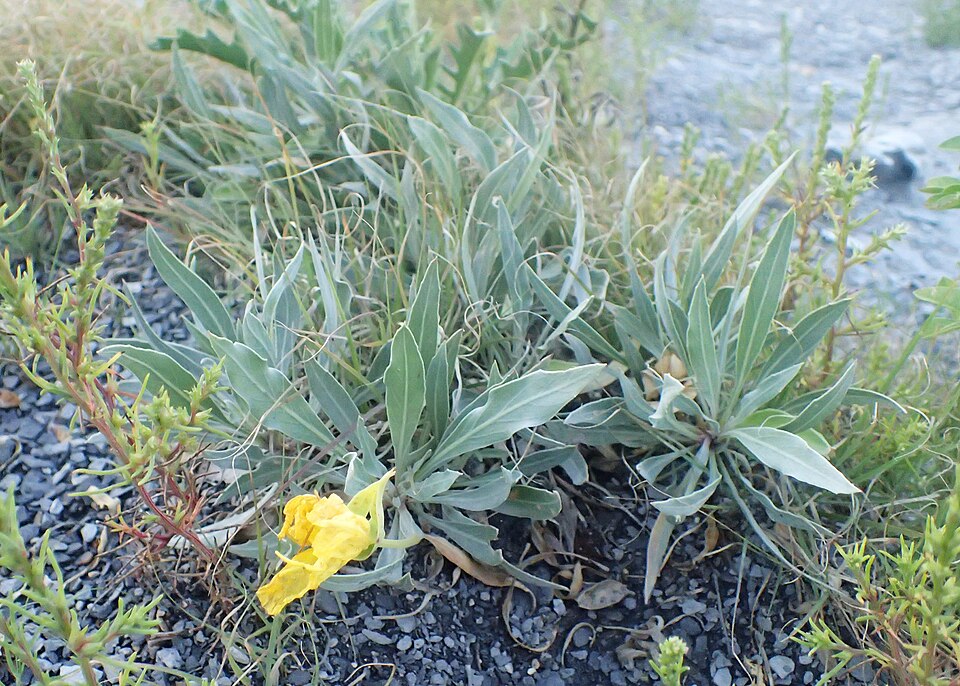
- Best for: rock borders, slopes, hot edges
- Light: full sun
- Soil: dry, very well-drained
- Missouri survival note: loves heat and hates soggy soil
- Don’t do this: put it in a low spot that stays wet
- Quick tip: this is a great “no hose” plant
Winecup (Callirhoe involucrata)
Spreads low, blooms bright, and looks best spilling over edges.
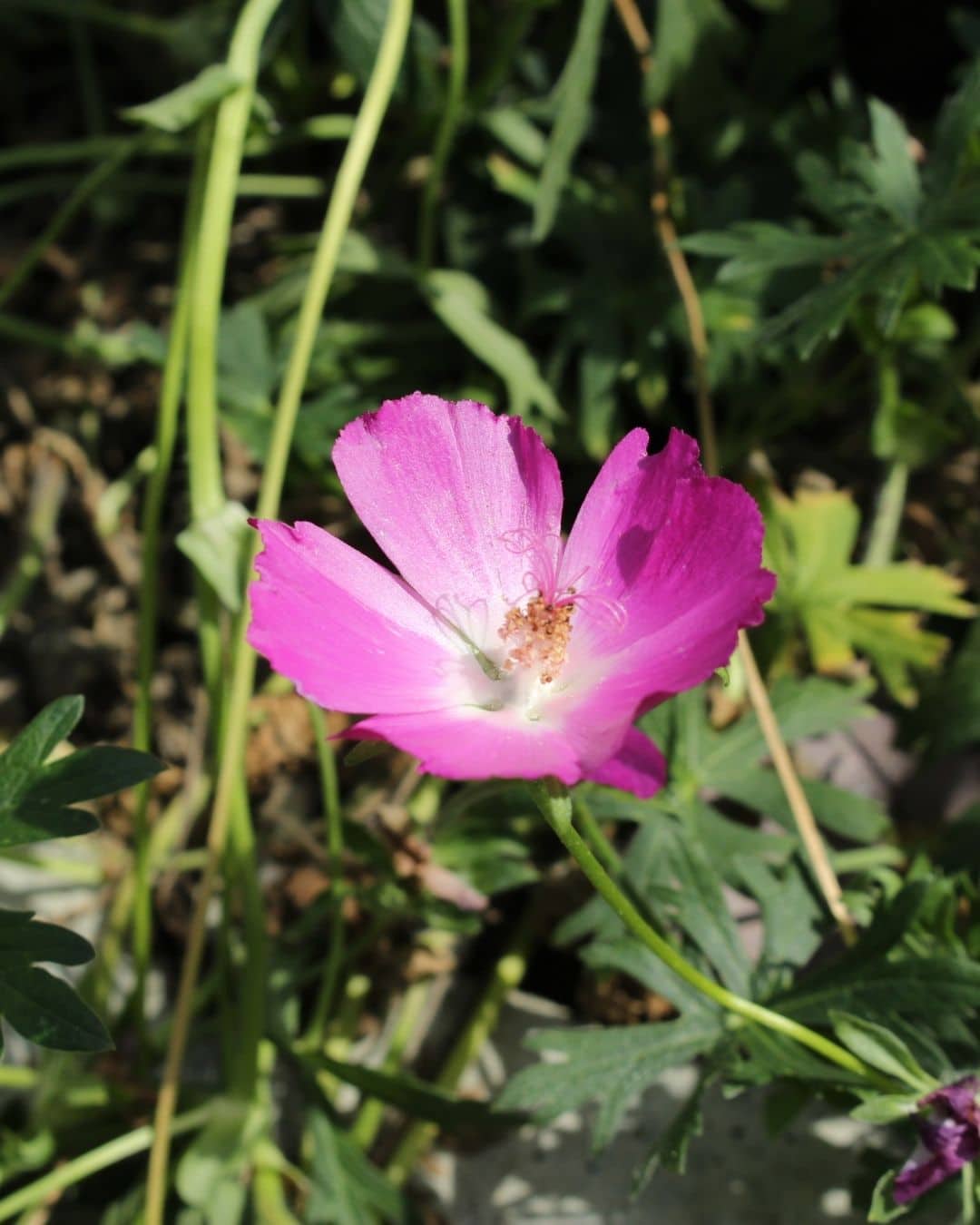
- Best for: groundcover look with magenta blooms
- Light: full sun
- Soil: well-drained, lean is fine
- Missouri survival note: thrives in heat and doesn’t need pampering
- Don’t do this: bury it under heavy mulch in wet clay
- Quick tip: let it sprawl, it looks more intentional
Russian sage (Salvia yangii)
Airy purple color that keeps going when the forecast turns brutal.
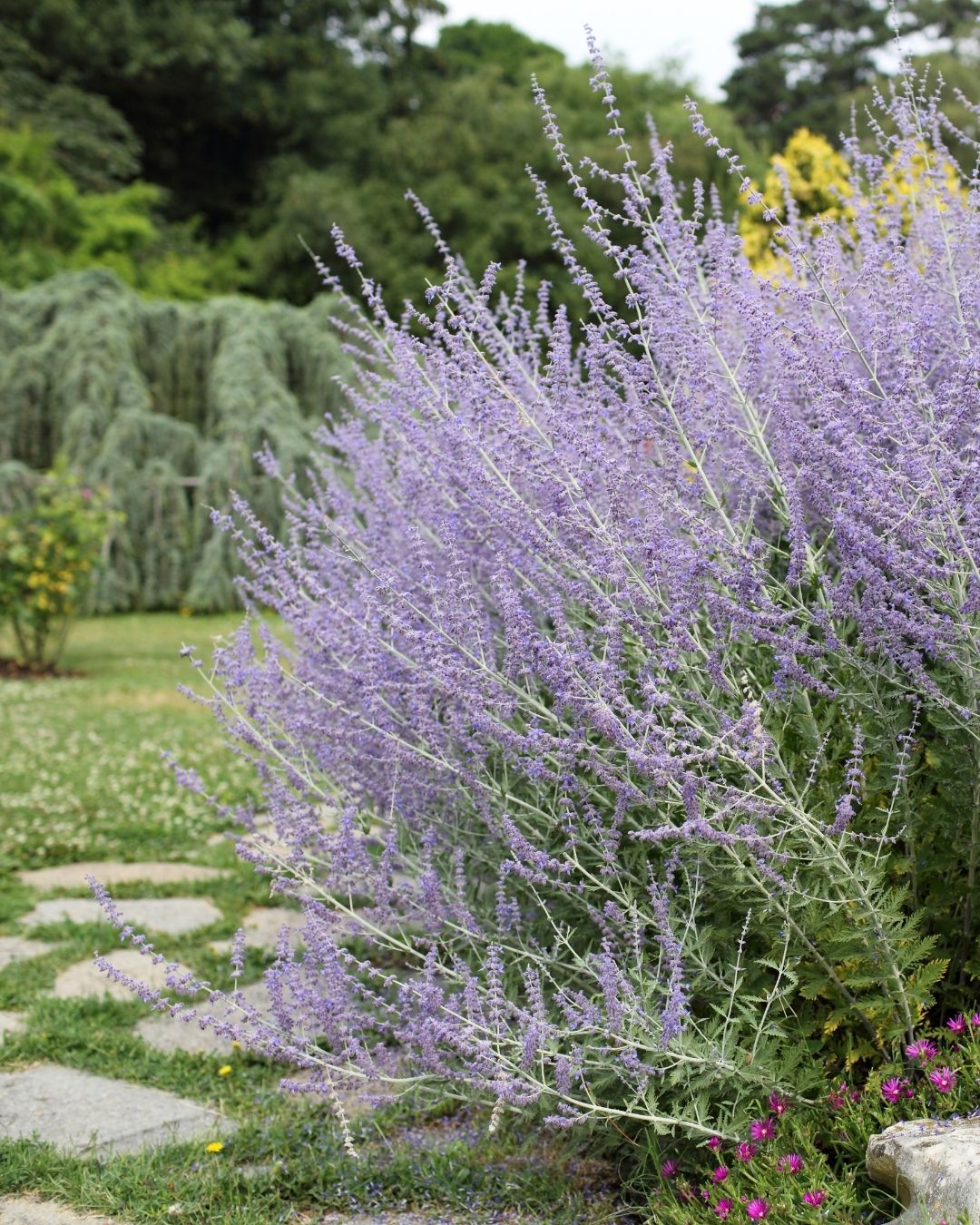
- Best for: tall, airy purple that lasts in heat
- Light: full sun
- Soil: average to dry
- Missouri survival note: heat-proof once established
- Don’t do this: plant it in shade and expect sturdy stems
- Quick tip: cut back in early spring, it blooms on new growth
Drainage reality check: If the spot stays wet after rain, dry-soil plants don’t “tough it out.” They rot. For wet areas, jump to Wet Spots.
More great options
Blanket flower (Gaillardia aristata)
Long bloom, prairie color, and it often lasts longer when you don’t spoil it.
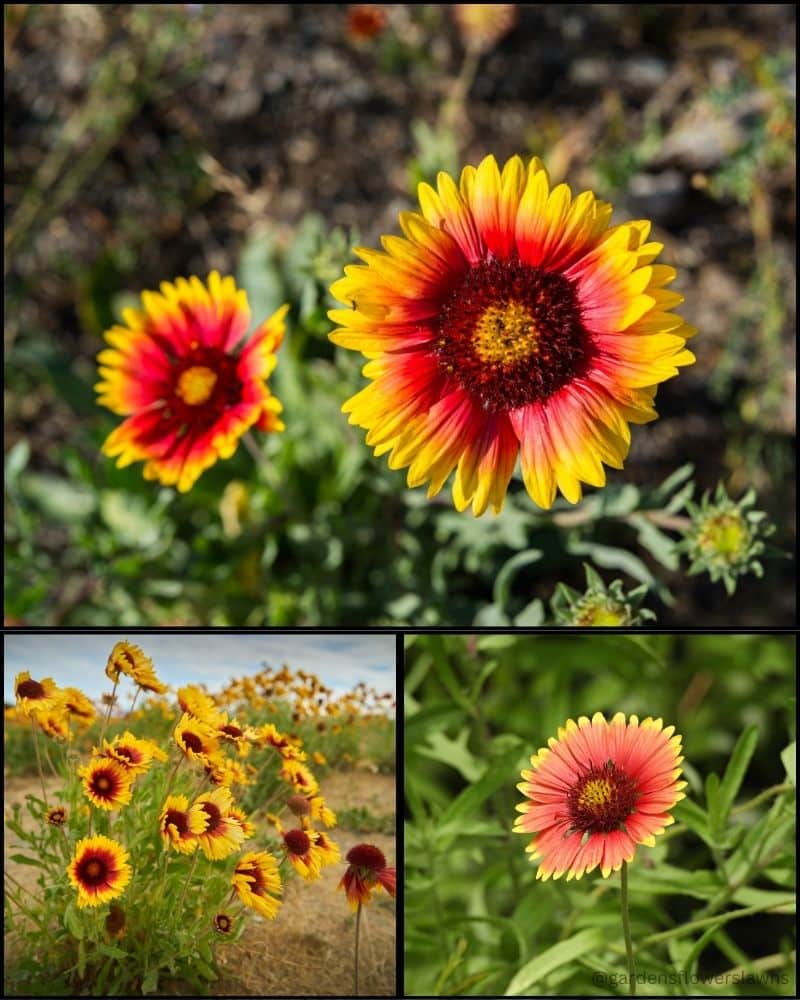
- Best for: long bloom and prairie style color
- Light: full sun
- Soil: average to dry
- Missouri survival note: likes lean soil and hot days
- Don’t do this: over-fertilize it
- Quick tip: it often lives longer in average soil than in rich soil
Dianthus (Dianthus spp.)
Early blooms and fragrance, but only if the roots stay on the dry side.
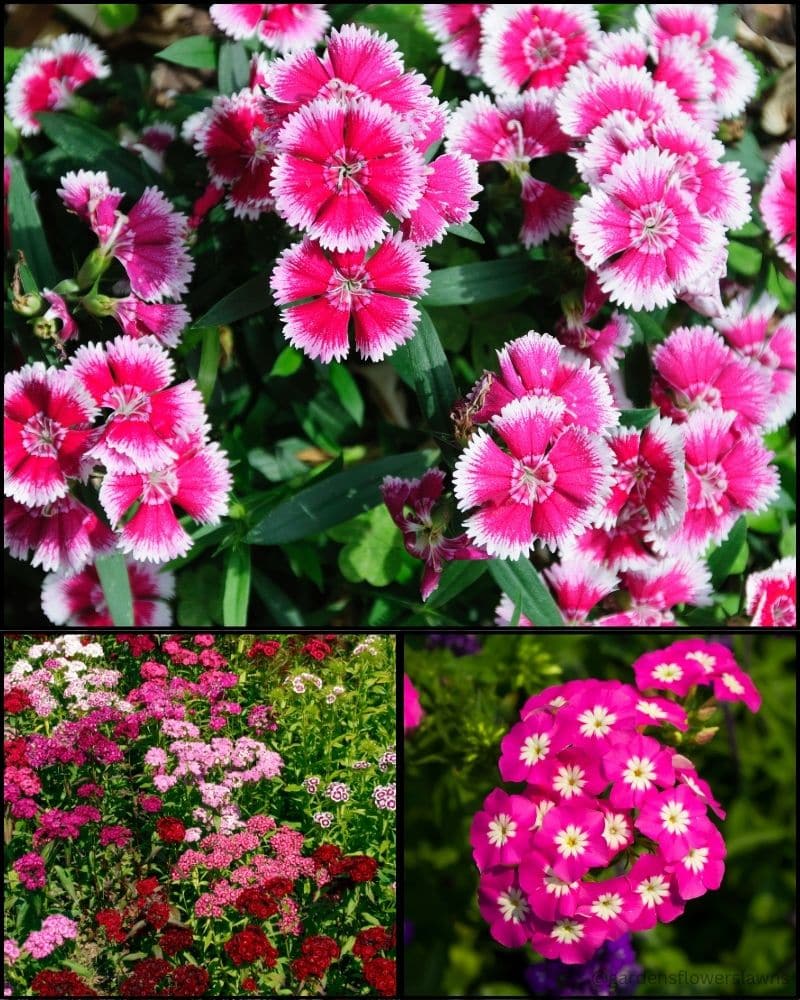
- Best for: early blooms and fragrance
- Light: full sun
- Soil: well-drained
- Missouri survival note: thrives where drainage is good
- Don’t do this: plant it where water sits after rain
- Quick tip: if a spot stays wet after rain, skip dianthus there
Candytuft (Iberis sempervirens)
Clean edging and spring white flowers that look intentional without much effort.
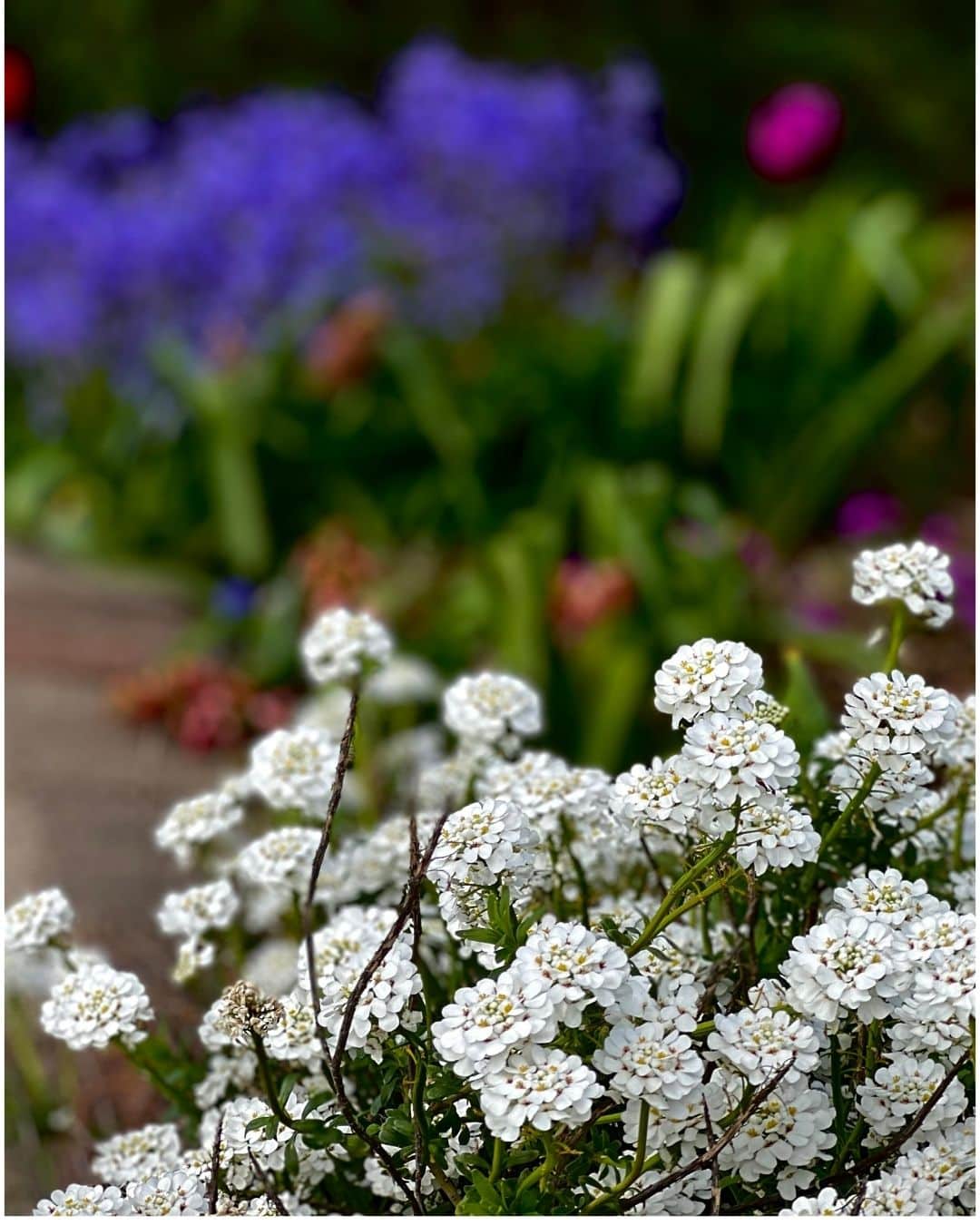
- Best for: clean edging and spring flowers
- Light: full sun
- Soil: well-drained
- Missouri survival note: does great in sunny beds that dry out
- Don’t do this: let it sit wet in winter and spring
- Quick tip: shear lightly after bloom to keep it compact
Lavender (Lavandula angustifolia) (Dry Soil Top Pick)
Lavender in Missouri is simple: it can thrive, but it cannot sit wet.
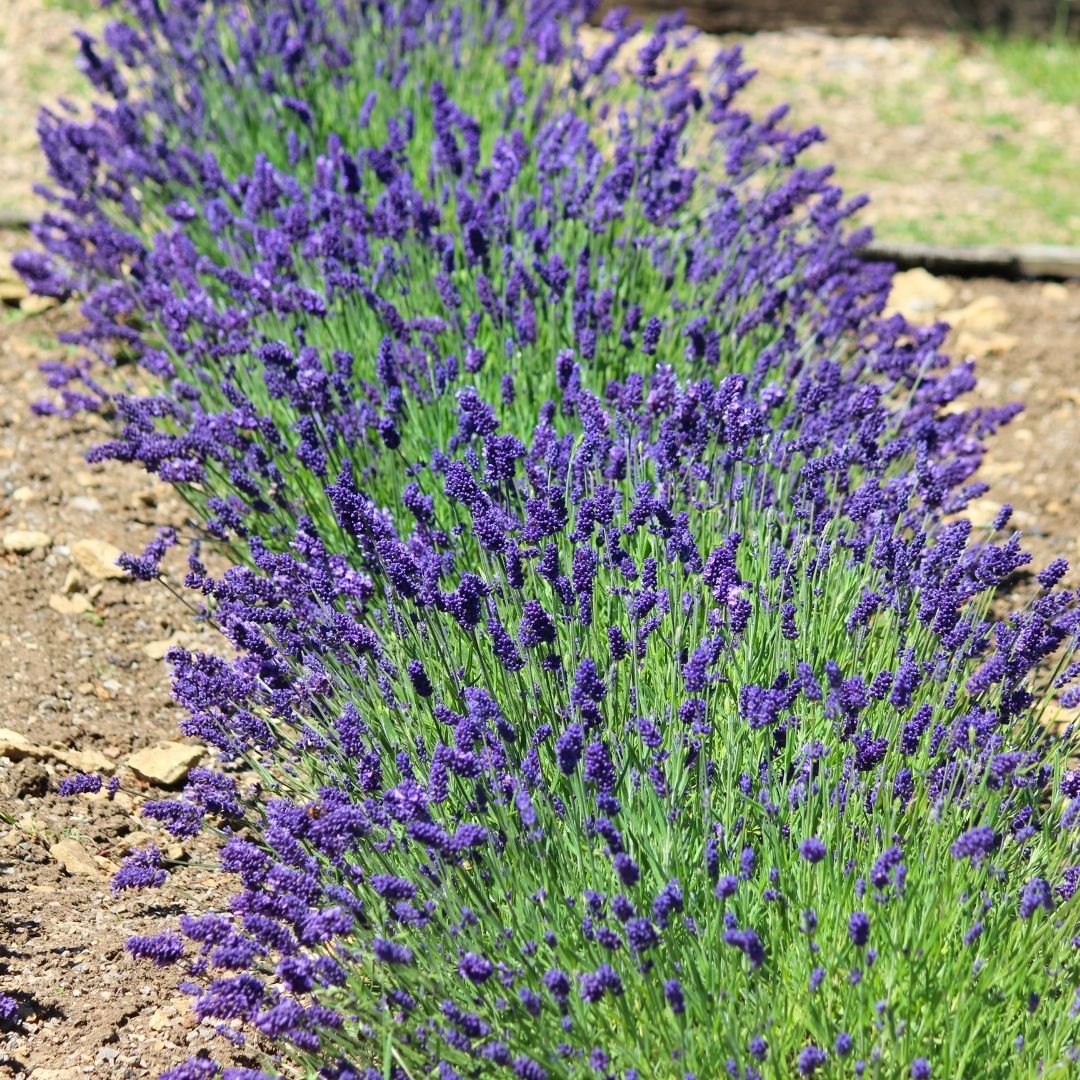
- Best for: scent and bees
- Light: full sun
- Soil: extremely well-drained
- Missouri survival note: only if roots never sit wet
- Don’t do this: plant it in a humid corner with poor airflow
- Quick tip: choose an open, airy spot, not a sheltered wet pocket
Easy combo beds that look good
If you want results that look intentional, these combos are hard to mess up.
Hot, sunny bed
Coneflower + blazing star + sedum + little bluestem
Pollinator bed
Swamp milkweed + coneflower + black-eyed Susan + Joe-Pye weed
Shade bed that stays neat
Hosta + coral bells + hellebore + ferns
Dry slope
Missouri primrose + winecup + sedum + little bluestem
Part Shade and Shade That Works (Real shade, real tree roots)
Shade in Missouri often comes with tree roots, dry soil, and patchy light. These plants can handle that reality.
Bright shade (morning sun, afternoon shade)
Top 3 survivors
Hosta (Hosta spp.) (Shade Top Pick)
Big leafy impact with little effort, as long as you stay ahead of the chew crew.
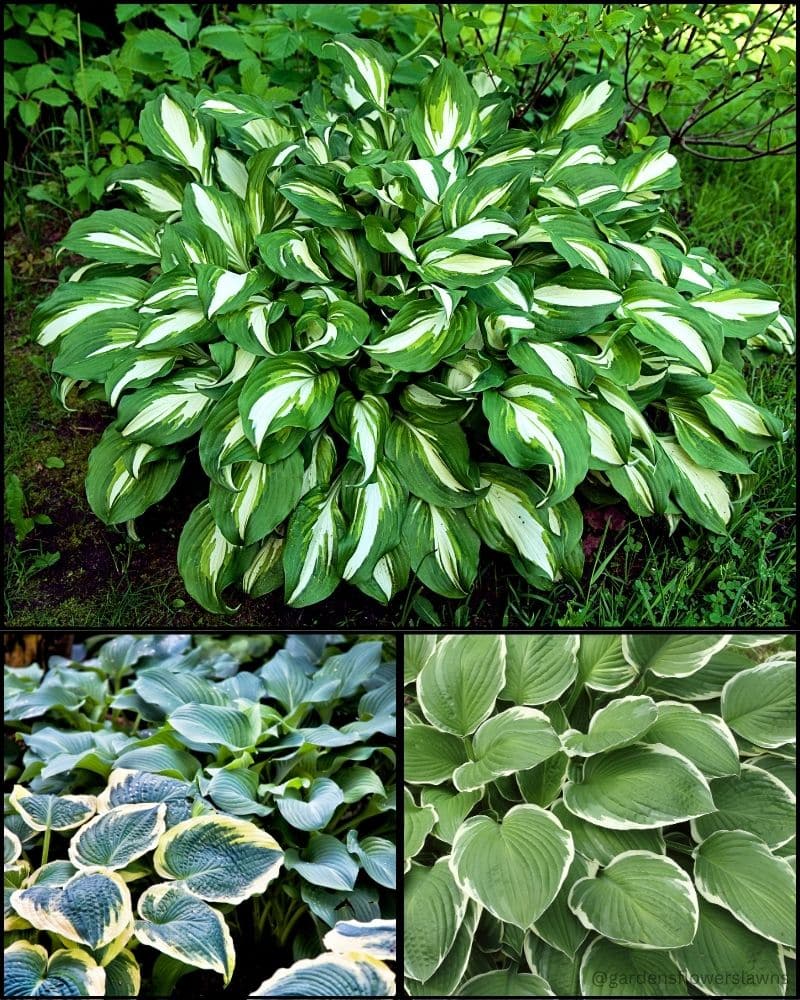
- Best for: big leafy impact with low effort
- Light: part shade to shade
- Soil: average, likes consistent moisture
- Missouri survival note: reliable and forgiving
- Don’t do this: ignore slug damage when shoots are young
- Quick tip: watch for slug damage early in the season
Coral bells (Heuchera spp.) (Shade Top Pick)
When you want color all season, foliage plants win, and coral bells are steady.
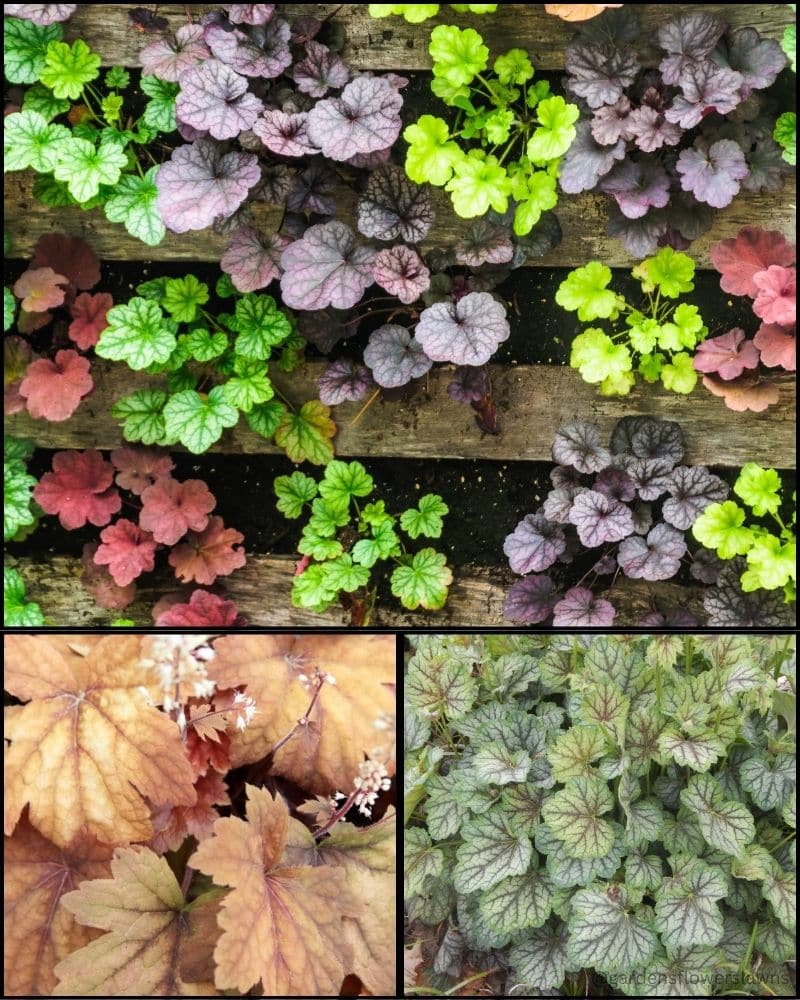
- Best for: colorful foliage all season
- Light: part shade
- Soil: well-drained, not soggy
- Missouri survival note: sturdy foliage plant that handles humidity well
- Don’t do this: bury the crown under mulch
- Quick tip: keep the crown slightly above soil level
Hellebore (Helleborus orientalis types) (Shade Top Pick)
It blooms early when the rest of the garden is still asleep.
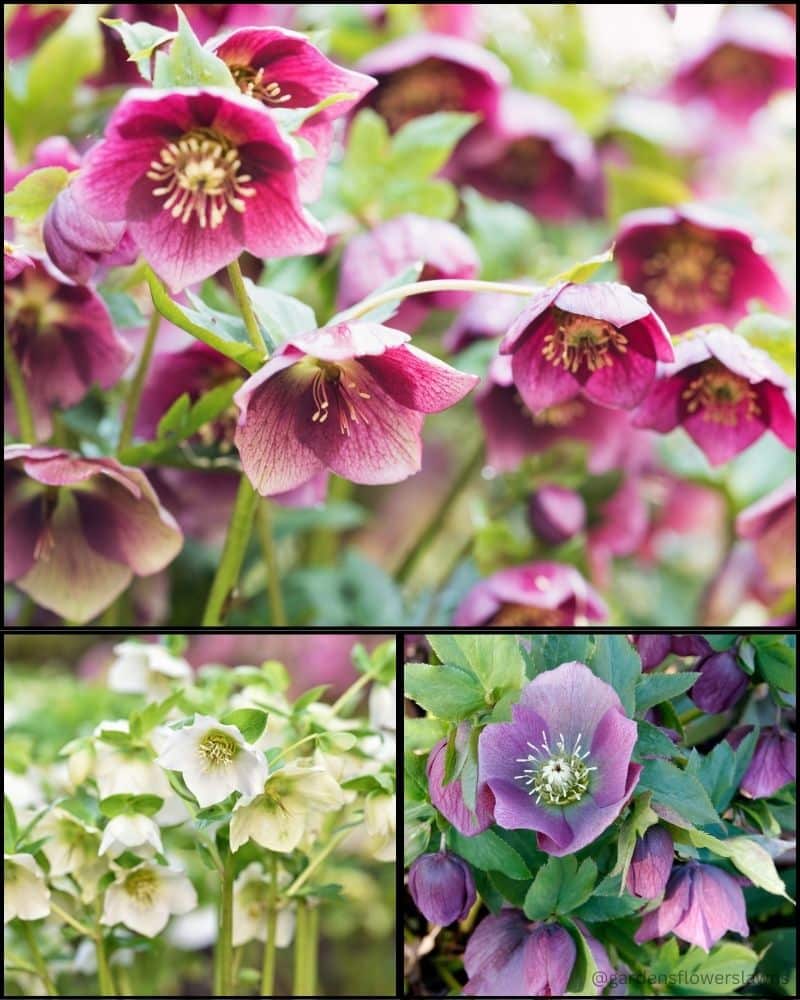
- Best for: early blooms when nothing else is awake
- Light: part shade to shade
- Soil: average, well-drained
- Missouri survival note: tough and dependable in shade
- Don’t do this: leave old foliage to smother new growth
- Quick tip: trim old leaves in late winter for a clean spring look
Shade trap: Lots of “shade” is actually dry shade from tree roots. If the ground under trees stays dry, don’t force water-loving shade plants there. Jump to Deep Shade and look for dry-shade options like epimedium.
More great options
Brunnera (Brunnera macrophylla)
Heart-shaped leaves and spring blue flowers that look fancy without being fussy.
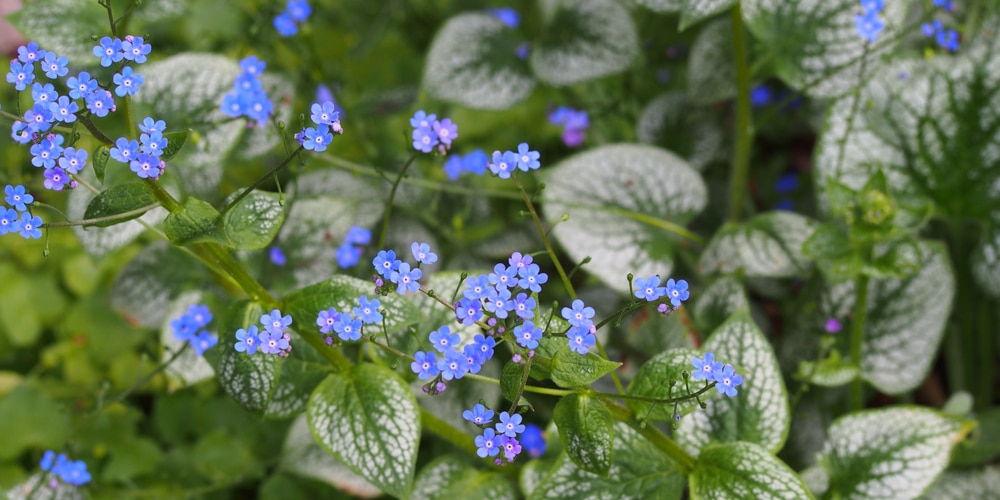
- Best for: spring color and standout leaves
- Light: part shade
- Soil: likes consistent moisture
- Missouri survival note: shines in that “not full shade” zone
- Don’t do this: give it harsh afternoon sun with dry soil
- Quick tip: afternoon shade keeps leaves from scorching
Astilbe (Astilbe spp.)
It gives shade beds real color, but it will tell you fast if it needs more water.
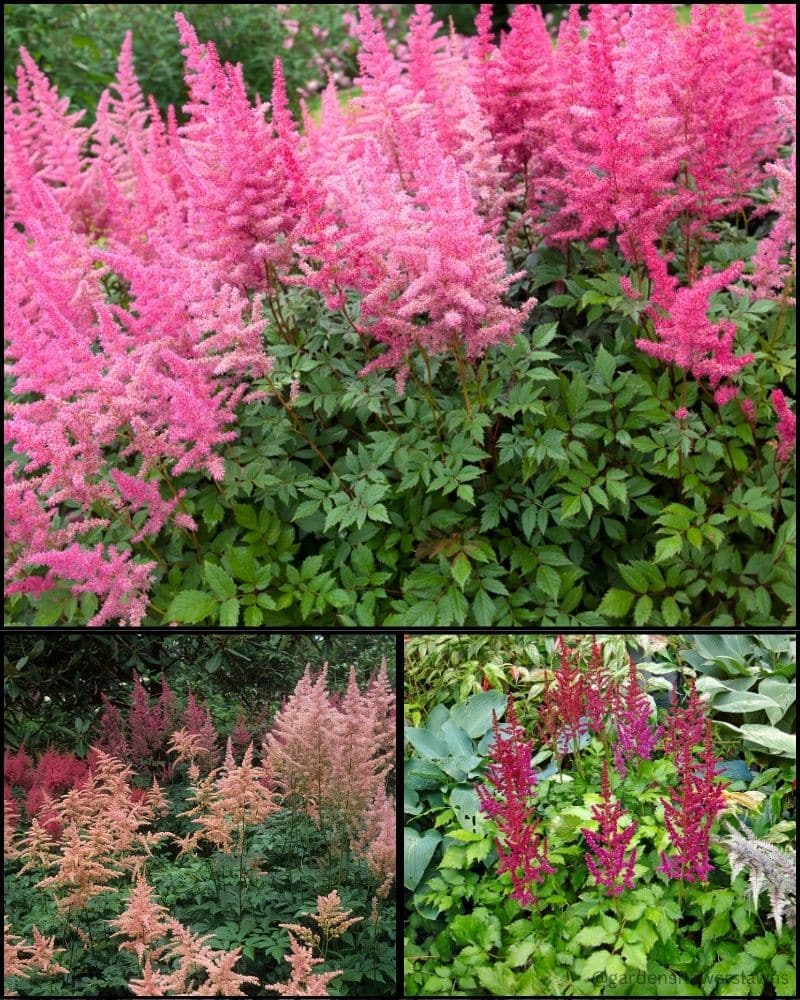
- Best for: fluffy blooms and shade color
- Light: part shade
- Soil: moist is best
- Missouri survival note: performs great where the soil never fully dries
- Don’t do this: let it dry out repeatedly in July
- Quick tip: if it browns in summer, it’s asking for more water
Deep Shade (Under trees, north side, low light)
Deep shade is where people waste money trying sun plants anyway. These are built for low light.
Top 3 survivors
Epimedium (Epimedium spp.) (Dry Shade Top Pick)
One of the best answers to root-filled shade where watering is a losing battle.
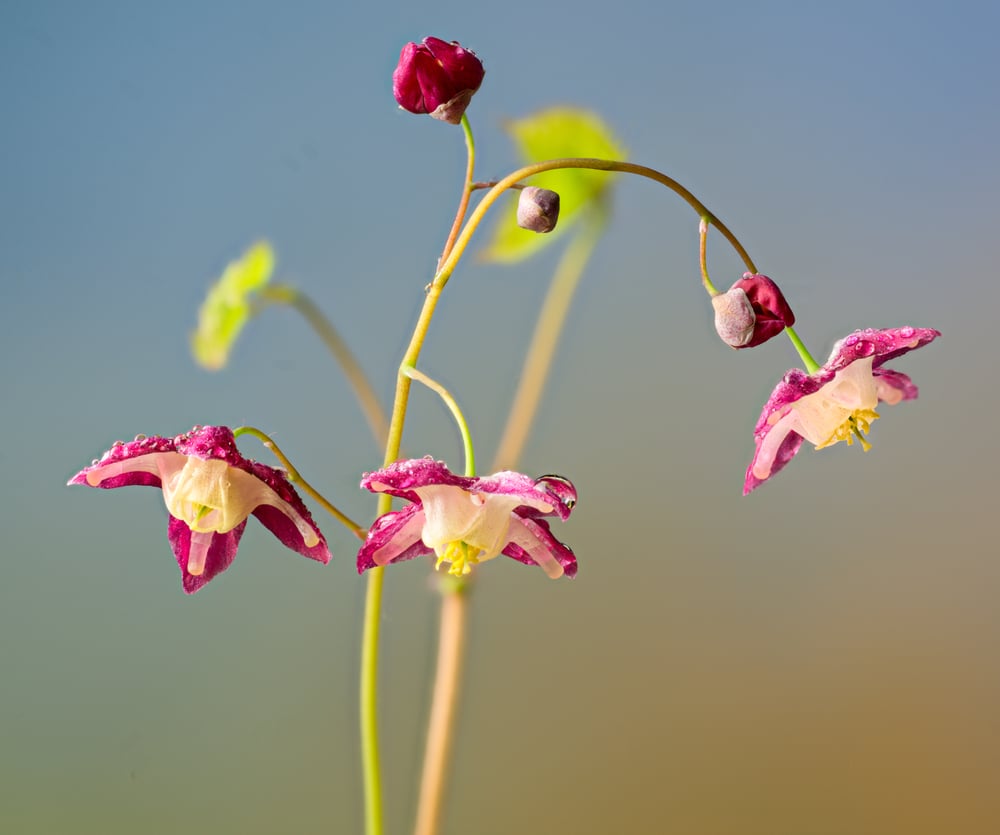
- Best for: dry shade under trees
- Light: shade to part shade
- Soil: average
- Missouri survival note: thrives where many plants sulk
- Don’t do this: bury it in heavy mulch against the crown
- Quick tip: cut old foliage in late winter for a clean flush
Ferns (Athyrium, Dryopteris, and others)
Instant woodland texture that makes hostas and coral bells look even better.
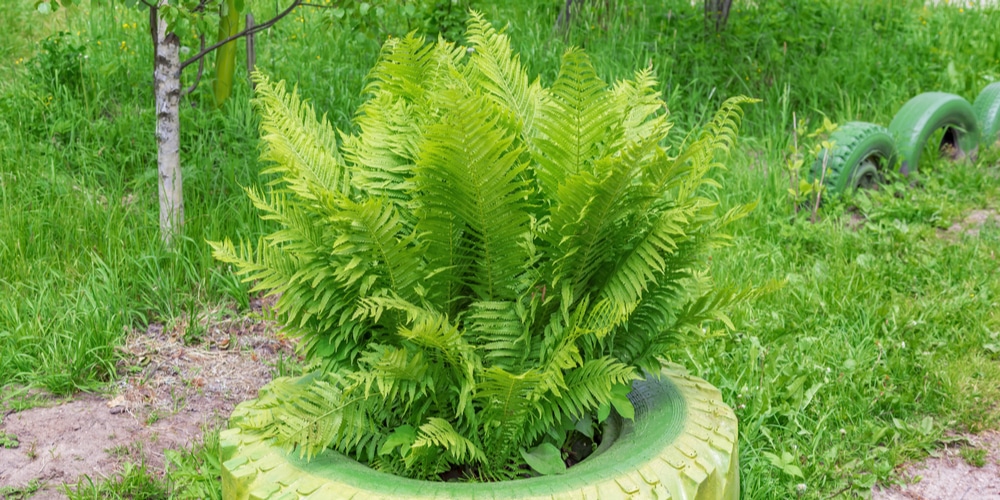
- Best for: texture and a woodland look
- Light: shade to part shade
- Soil: evenly moist is ideal
- Missouri survival note: made for shade when moisture is reasonable
- Don’t do this: let soil bake bone-dry under shallow tree roots
- Quick tip: light mulch helps roots stay cooler and steadier
Solomon’s seal (Polygonatum odoratum)
Arching stems that look “designed,” and it improves year after year.
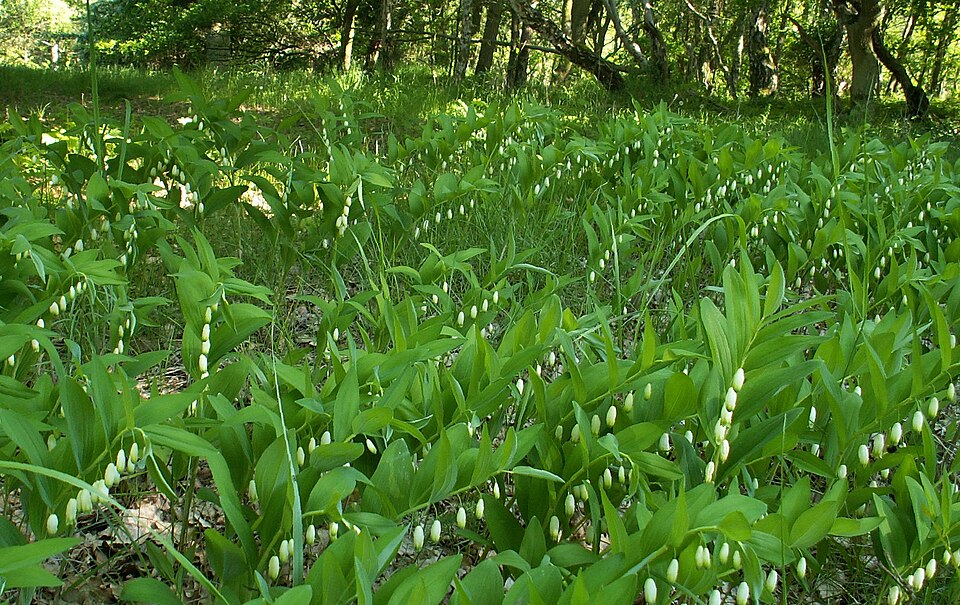
- Best for: arching stems and a clean woodland look
- Light: shade to part shade
- Soil: average to moist
- Missouri survival note: tough shade perennial that improves each year
- Don’t do this: assume it failed in year one if it’s slow
- Quick tip: give it time, it’s a slow starter that turns into a keeper
More great options
Hardy geranium (Geranium macrorrhizum and similar)
Great for filling gaps, and the foliage stays nice when other things get ratty.
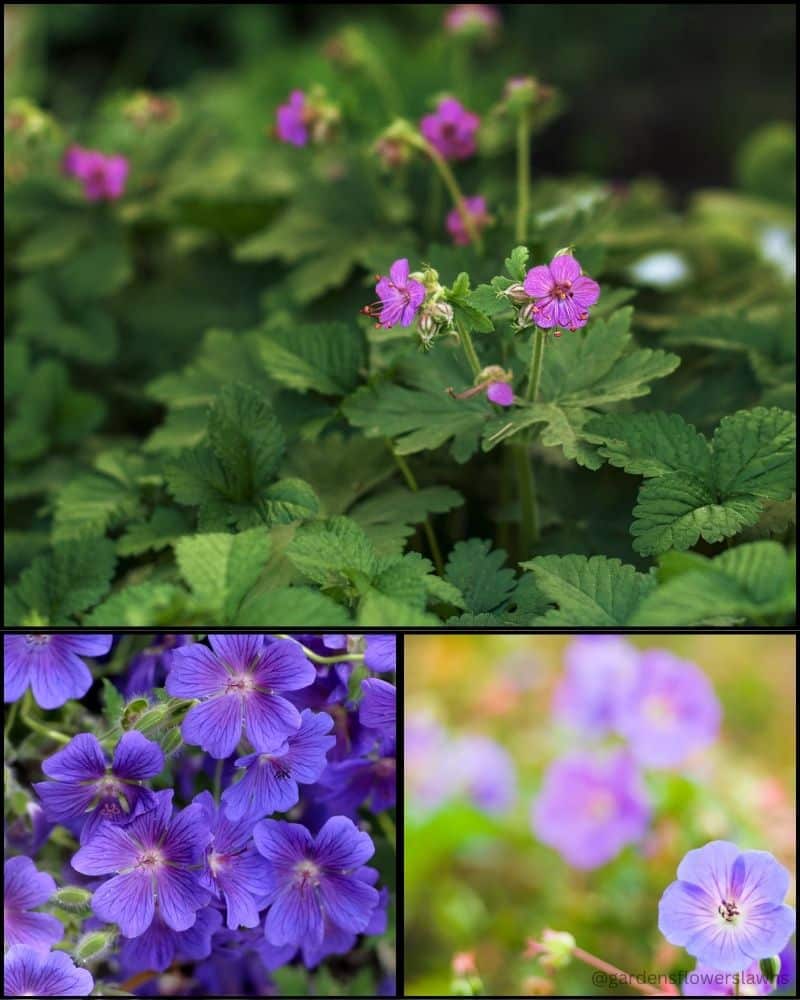
- Best for: filling gaps with long bloom and good leaves
- Light: part shade, many handle sun
- Soil: average
- Missouri survival note: very forgiving and easy to live with
- Don’t do this: let it get shaggy and never shear it
- Quick tip: shear after bloom to refresh the plant
Damp Spots and Wet Soil (Where other plants rot)
Low spots happen. Downspout splash zones happen. Clay holds water.
Instead of trying to dry the area out forever, plant perennials that like it.
Top 3 survivors
Swamp milkweed (Asclepias incarnata) (Wet Spot Top Pick)
Monarch magnet that actually likes Missouri’s “wet then hot” summers.
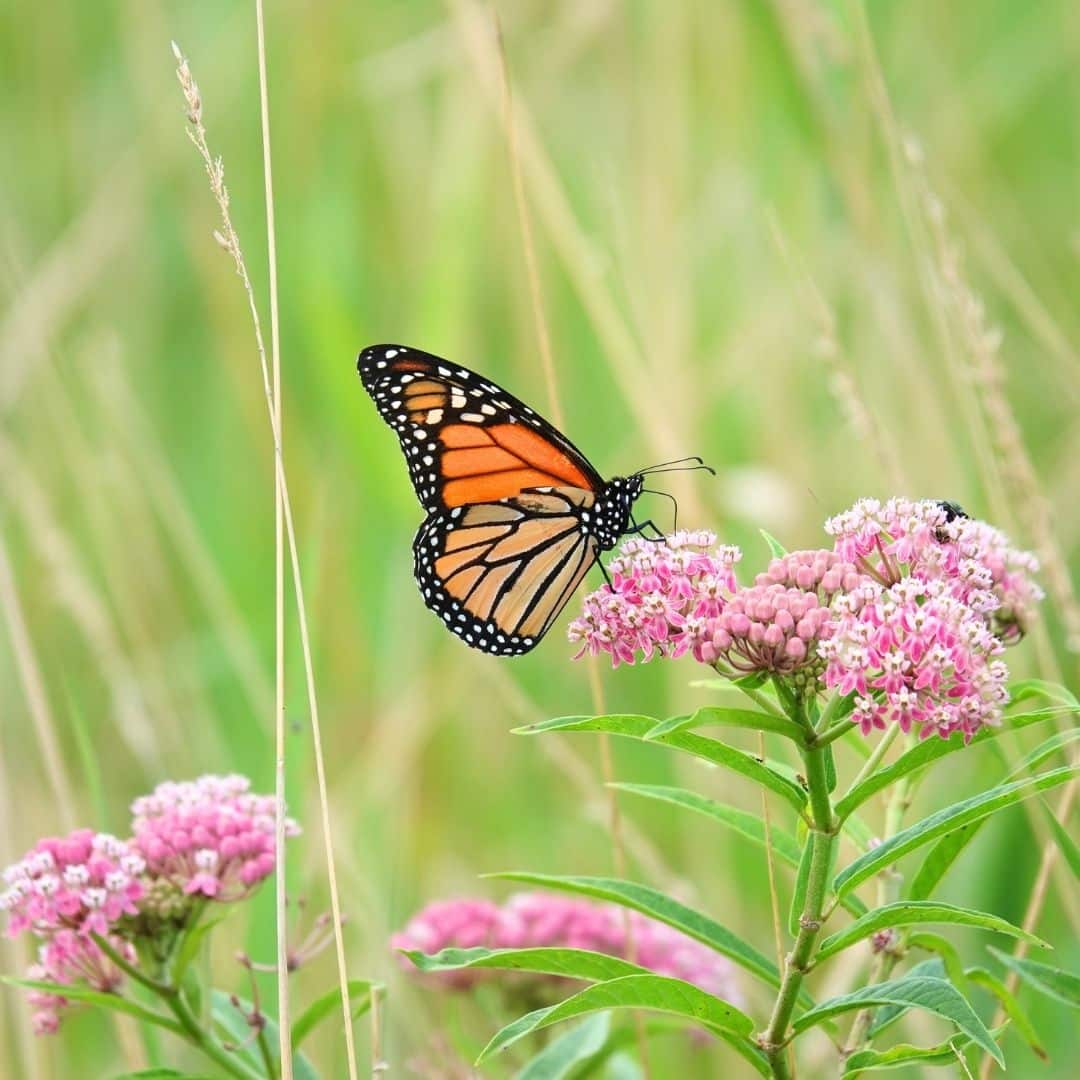
- Best for: monarchs, pollinators, pink blooms
- Light: full sun to part sun
- Soil: moist to wet
- Missouri survival note: loves moisture and summer heat
- Don’t do this: plant it in dry beds and expect it to stay lush
- Quick tip: plant it where you’ll see the butterflies
Cardinal flower (Lobelia cardinalis) (Wet Spot Top Pick)
If you want hummingbirds to show up, this is one of the loudest invitations.
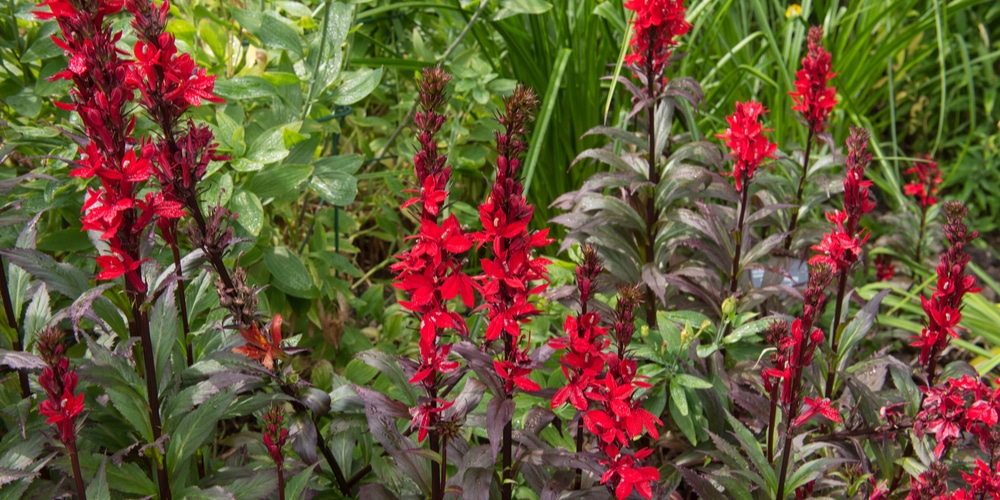
- Best for: hummingbirds and strong red color
- Light: part shade to sun if moisture stays steady
- Soil: moist
- Missouri survival note: thrives where many plants rot or sulk
- Don’t do this: let it dry out in July and August
- Quick tip: consistent moisture keeps it happy
Joe-Pye weed (Eutrochium purpureum and relatives) (Wet Spot Top Pick)
Big plant, big presence, and it pulls butterflies in late summer.
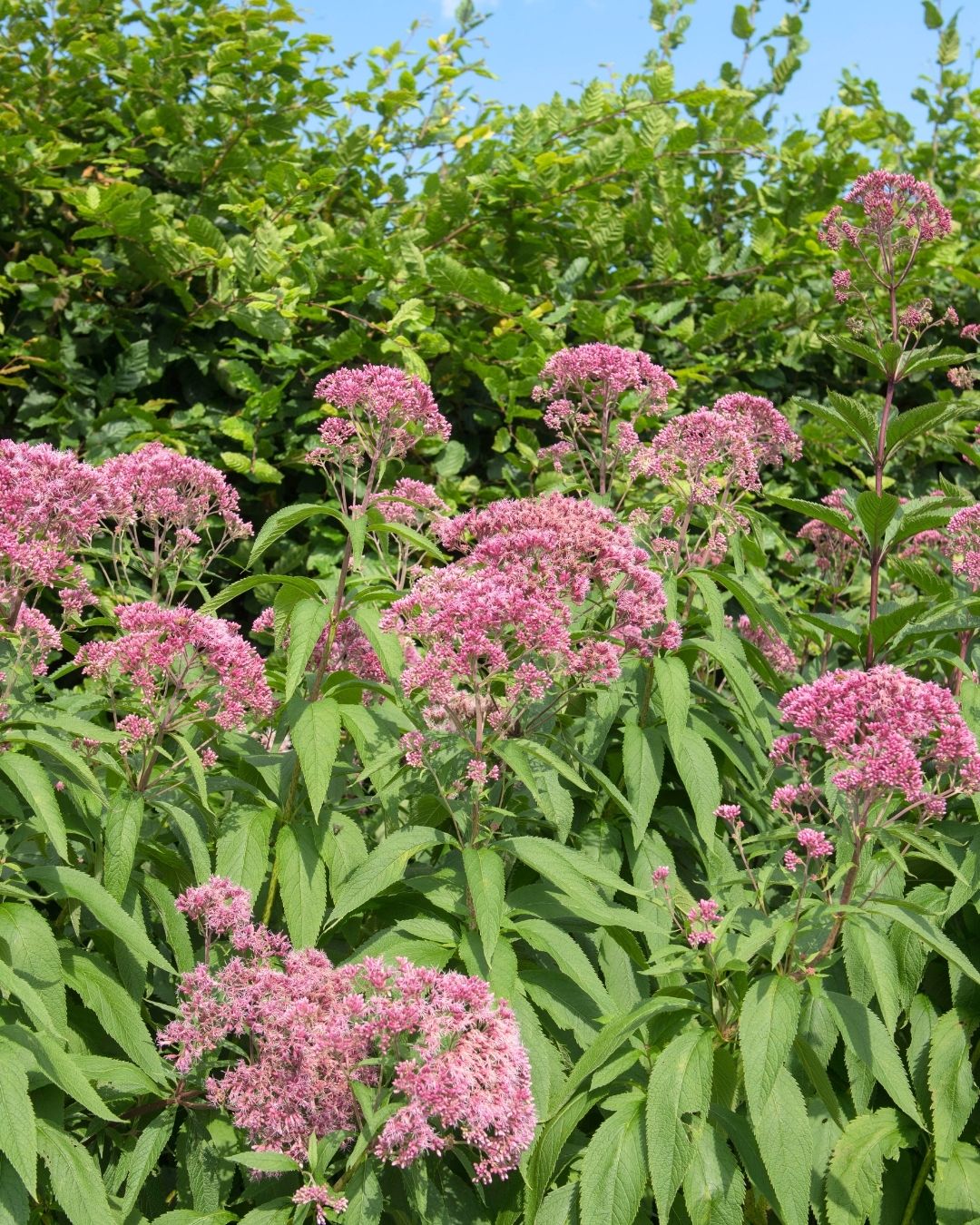
- Best for: late-summer blooms and butterflies
- Light: full sun to part shade
- Soil: moist to average
- Missouri survival note: handles heat and wetter soil better than most
- Don’t do this: cram it into a tiny bed
- Quick tip: give it space, it’s a big plant
Wet spot win: If you have a downspout splash zone, this is where you stop fighting. Plant wet-soil perennials and let the area become a feature.
More great options
Blue flag iris (Iris virginica and similar)
Great for rain gardens and pond edges, and it doesn’t complain about wet feet.
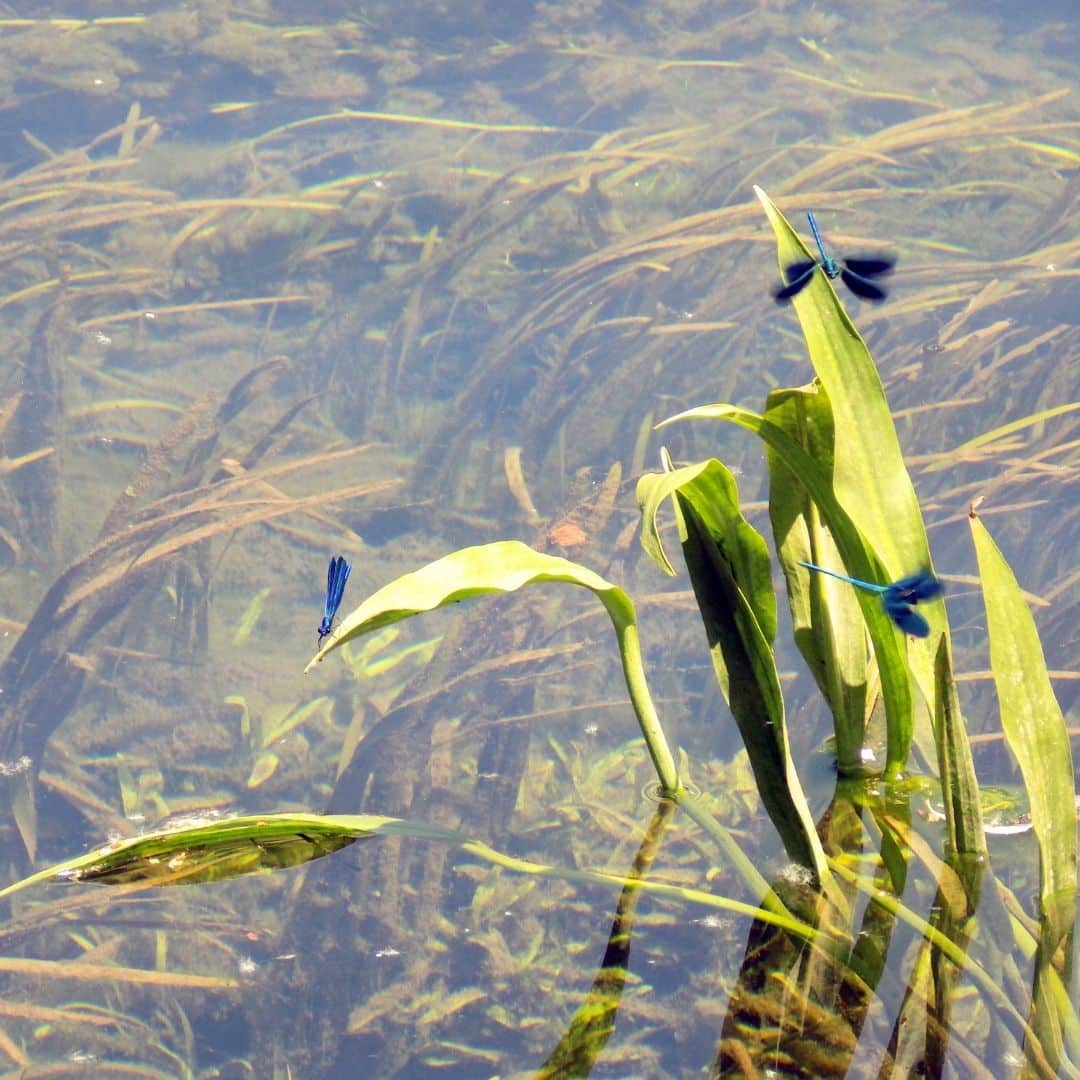
- Best for: pond edges, rain gardens, spring flowers
- Light: full sun to part shade
- Soil: moist to wet
- Missouri survival note: likes wet feet more than typical perennials
- Don’t do this: let it get overcrowded for years
- Quick tip: divide clumps every few years if bloom slows
Turtlehead (Chelone glabra)
Late blooms in moist soil, and it plays well with shade too.
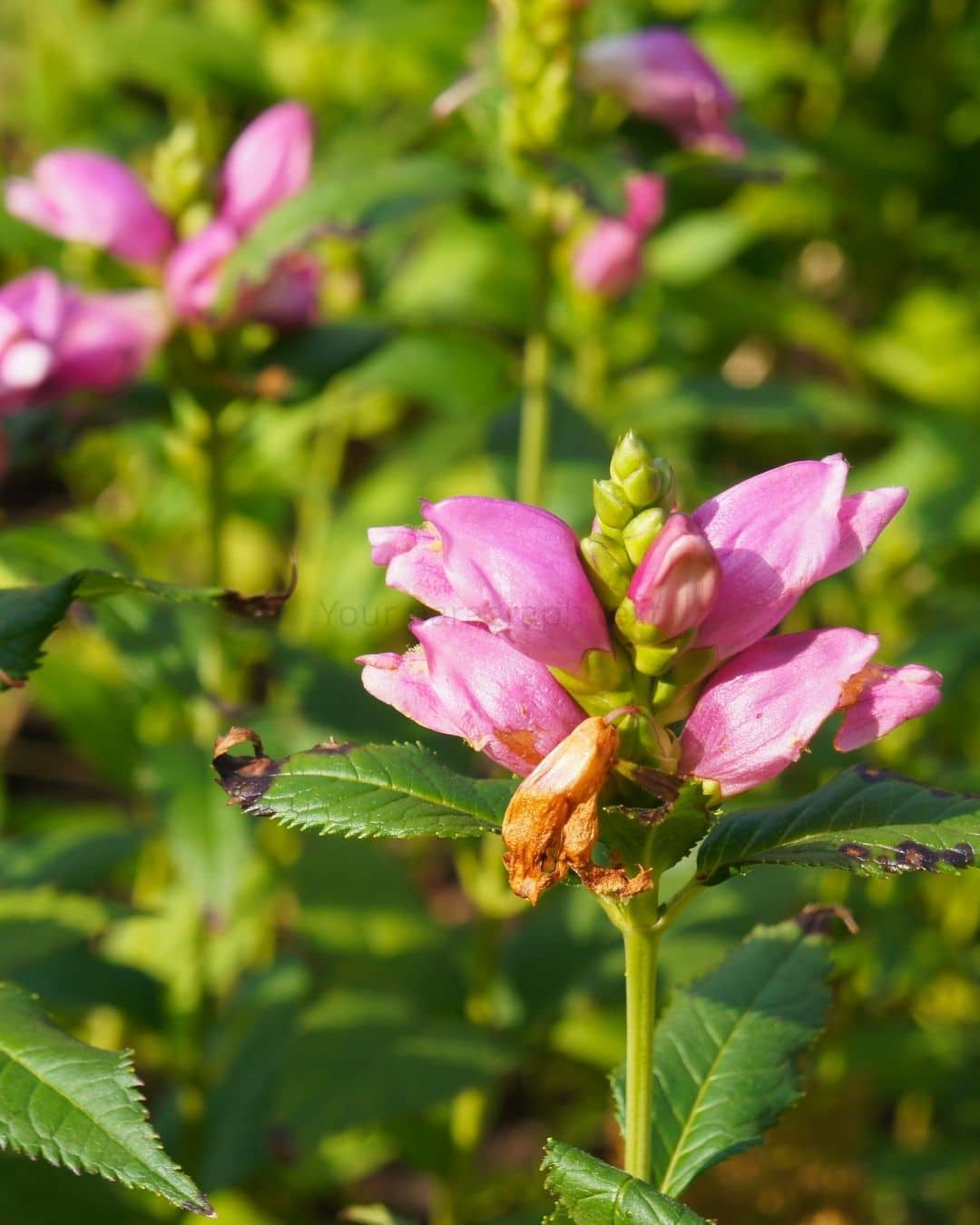
- Best for: late blooms in moist shade
- Light: part shade to sun
- Soil: moist
- Missouri survival note: great “moist but not swamp” perennial
- Don’t do this: skip pinching and then dislike the height
- Quick tip: pinch early stems if you want it shorter and fuller
Hardy hibiscus (Hibiscus moscheutos)
Huge flowers, loves heat, and it’s a classic “don’t panic” plant in spring.
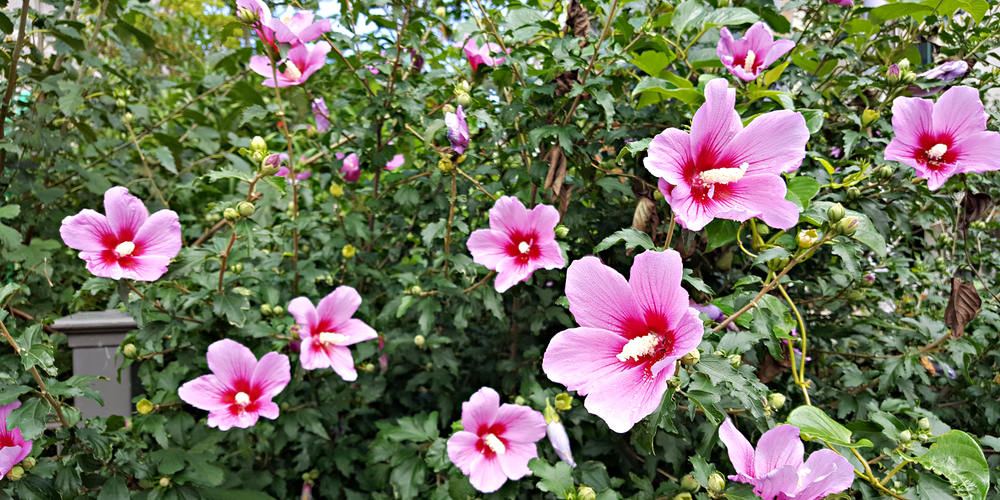
- Best for: huge, dramatic flowers
- Light: full sun
- Soil: moist is best
- Missouri survival note: loves heat and moisture
- Don’t do this: assume it died because it wakes up late
- Quick tip: it wakes up late in spring, don’t panic too early
Obedient plant (Physostegia virginiana)
Tough filler with flower spikes, and it rarely struggles in moist beds.
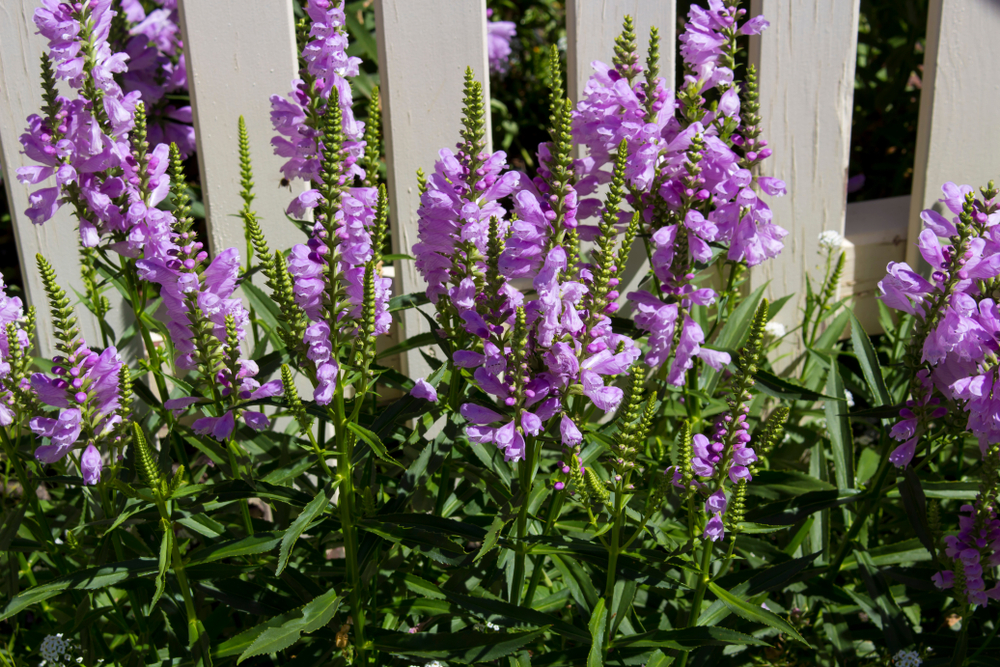
- Best for: flower spikes in moist beds
- Light: full sun to part shade
- Soil: average to moist
- Missouri survival note: strong grower that rarely struggles
- Don’t do this: plant it where you need strict boundaries
- Quick tip: it can spread, divide or edge it to keep it in bounds
Tough Ornamental Grasses (These don’t quit)
If you want plants that look good in heat, wind, and weird weather, add grasses. They also make flower beds look finished.
Top survivors
Little bluestem (Schizachyrium scoparium) (Grass Top Pick)
If you have dry sun and you want something that never looks “sad,” start here.
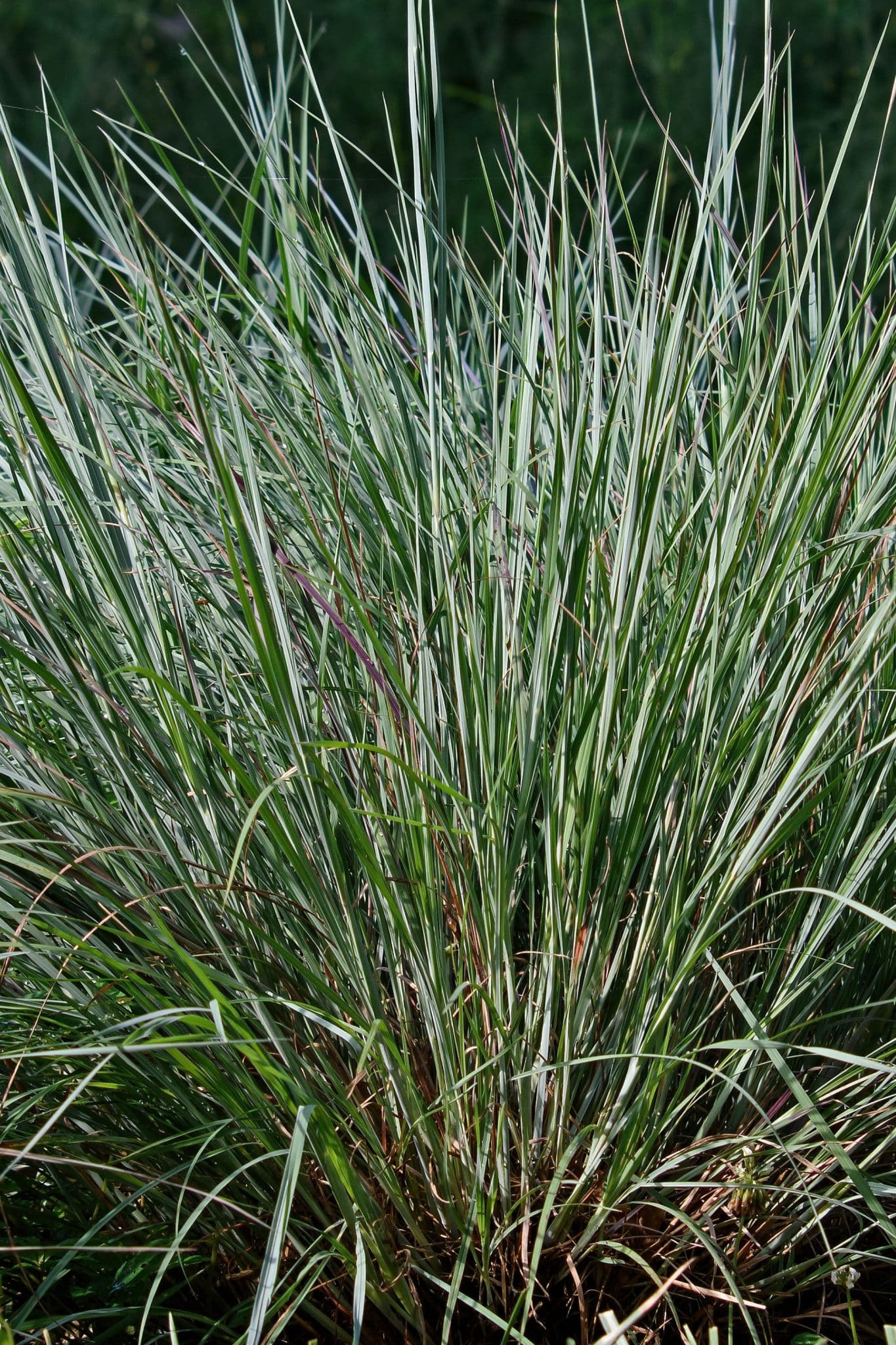
- Best for: dry beds and fall color
- Light: full sun
- Soil: average to dry
- Missouri survival note: thrives where other plants struggle
- Don’t do this: fertilize it and then get annoyed when it flops
- Quick tip: skip fertilizer, it can flop when overfed
More great options
Switchgrass (Panicum virgatum)
Great height, movement, and screening, and it’s tough enough for clay.
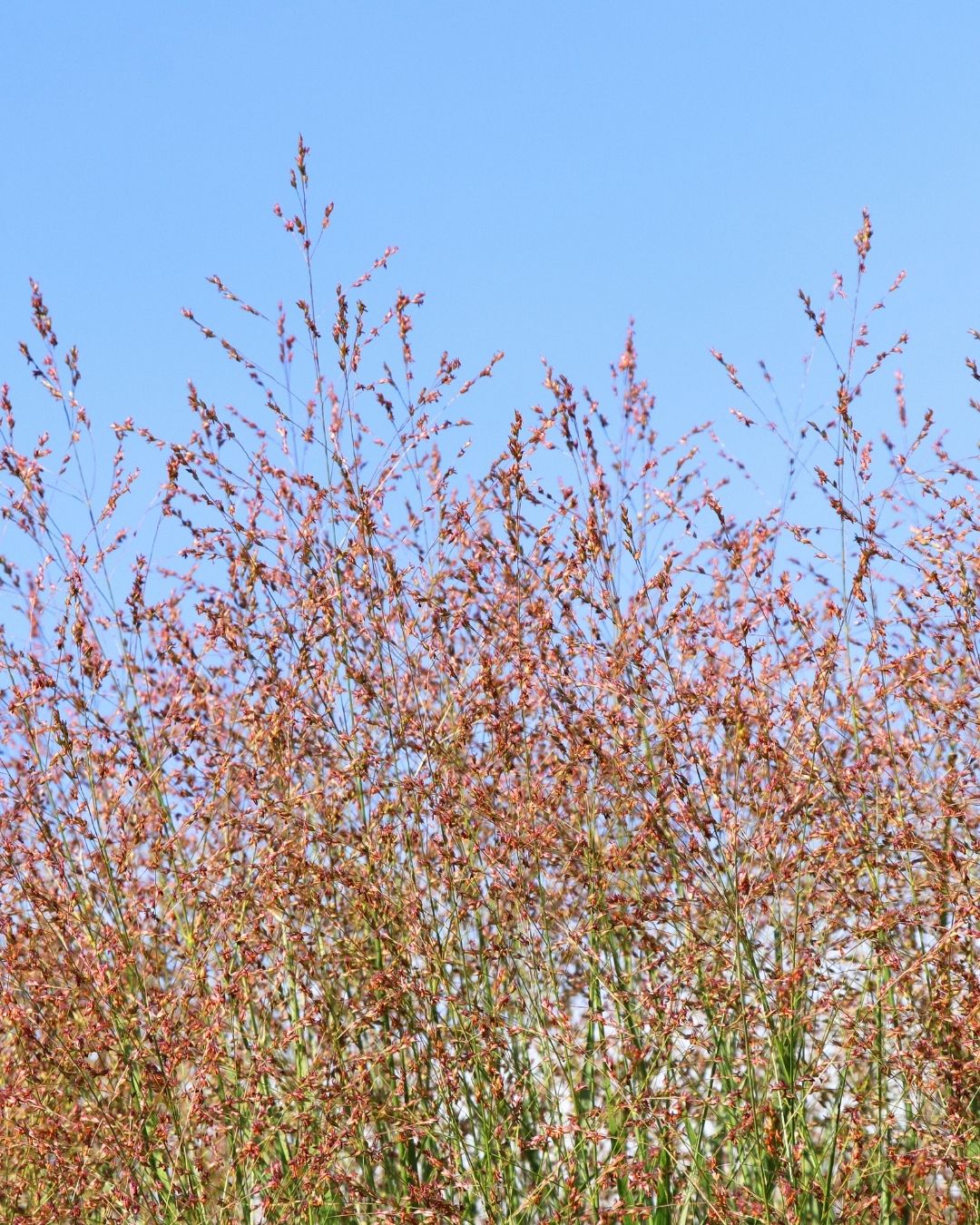
- Best for: height, movement, screening
- Light: full sun
- Soil: adaptable, including clay
- Missouri survival note: prairie roots and strong tolerance
- Don’t do this: cut it back too early in winter and lose structure
- Quick tip: cut back in early spring before new growth starts
Prairie dropseed (Sporobolus heterolepis)
Neat mound, soft texture, and it’s a slow starter that becomes a star.
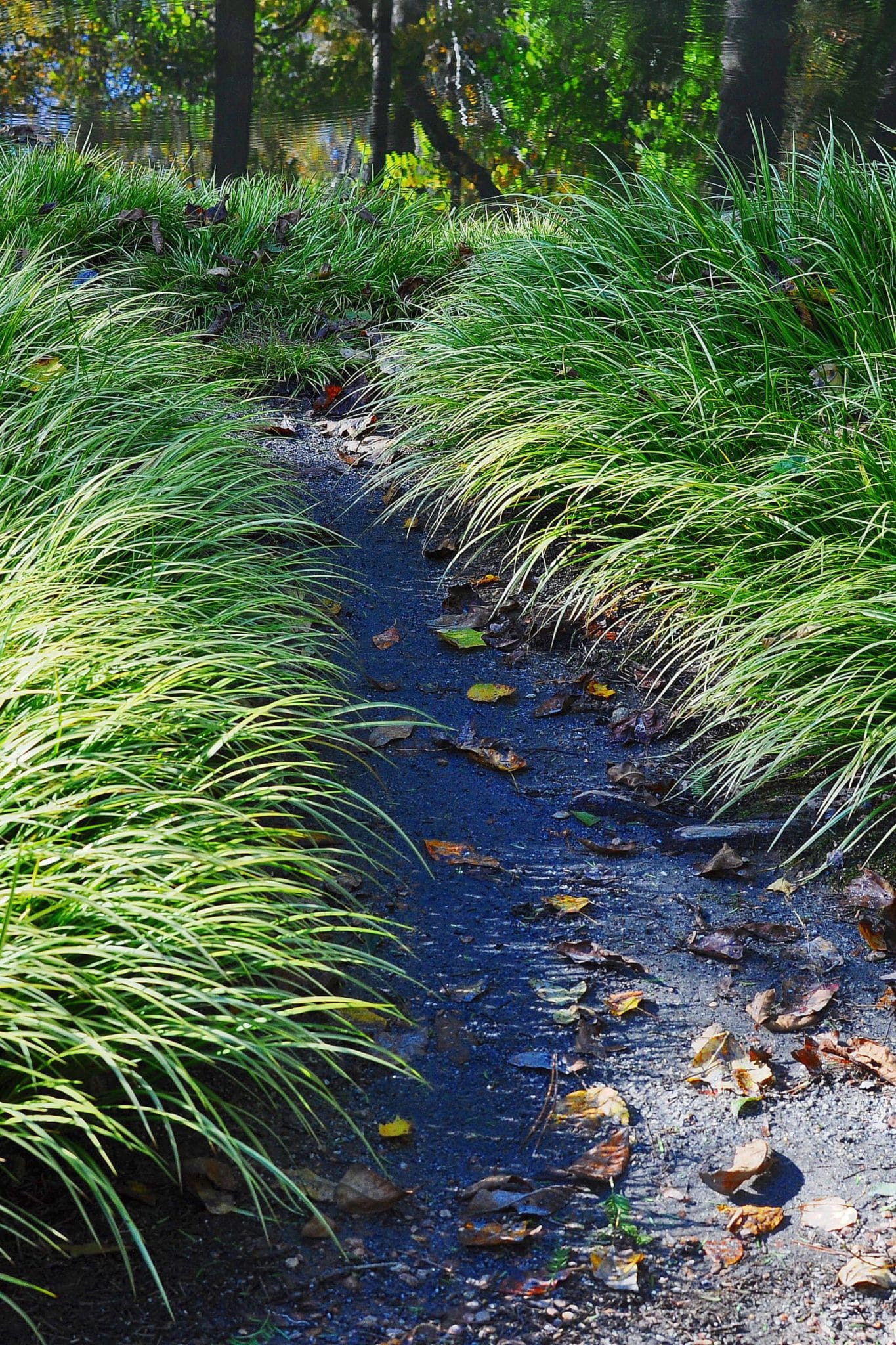
- Best for: neat mounds and soft texture
- Light: full sun
- Soil: well-drained
- Missouri survival note: drought tolerant once established
- Don’t do this: judge it hard in year one
- Quick tip: slower the first year, then it becomes a star
Planting Cheat Sheet for Missouri
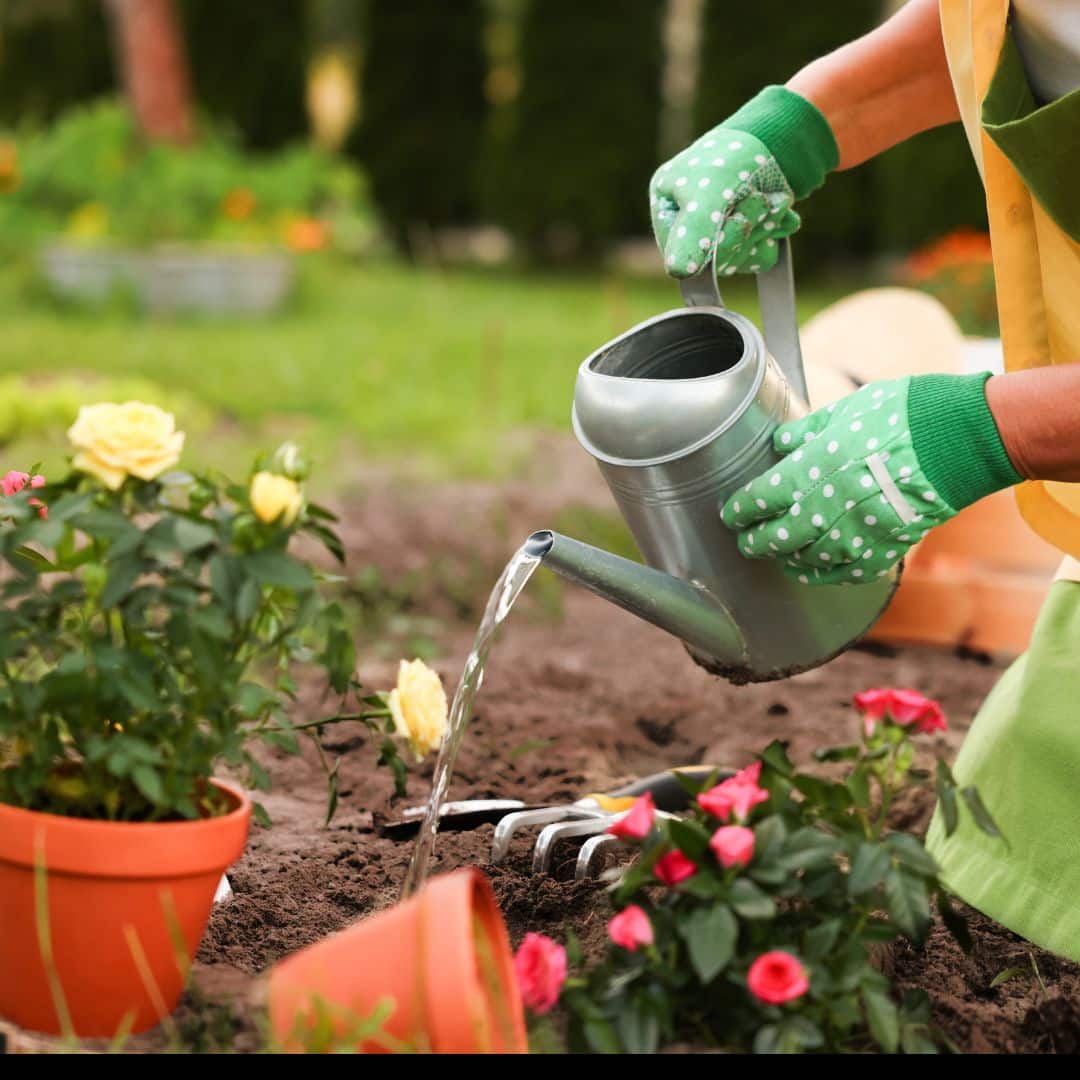
These are the small moves that keep perennials alive through year one, especially in clay.
Best time to plant
- Early fall is ideal if you can swing it.
- Spring works fine, you’ll just water more through summer.
The year-one watering rule
- Water deeply, then let the soil dry a bit.
- In clay, frequent light watering is how roots rot.
Mulch without smothering crowns
- Mulch helps.
- Mulch piled against the base of the plant can kill it.
- Keep mulch a couple inches away from the crown.
Space plants like humidity is watching
Because it is. Tight spacing turns into mildew and rot problems.
Don’t “fix” every hole with rich compost
A lot of prairie-style perennials live longer in average soil. Rich soil can mean flop city.
7 Mistakes That Kill Perennials in Missouri
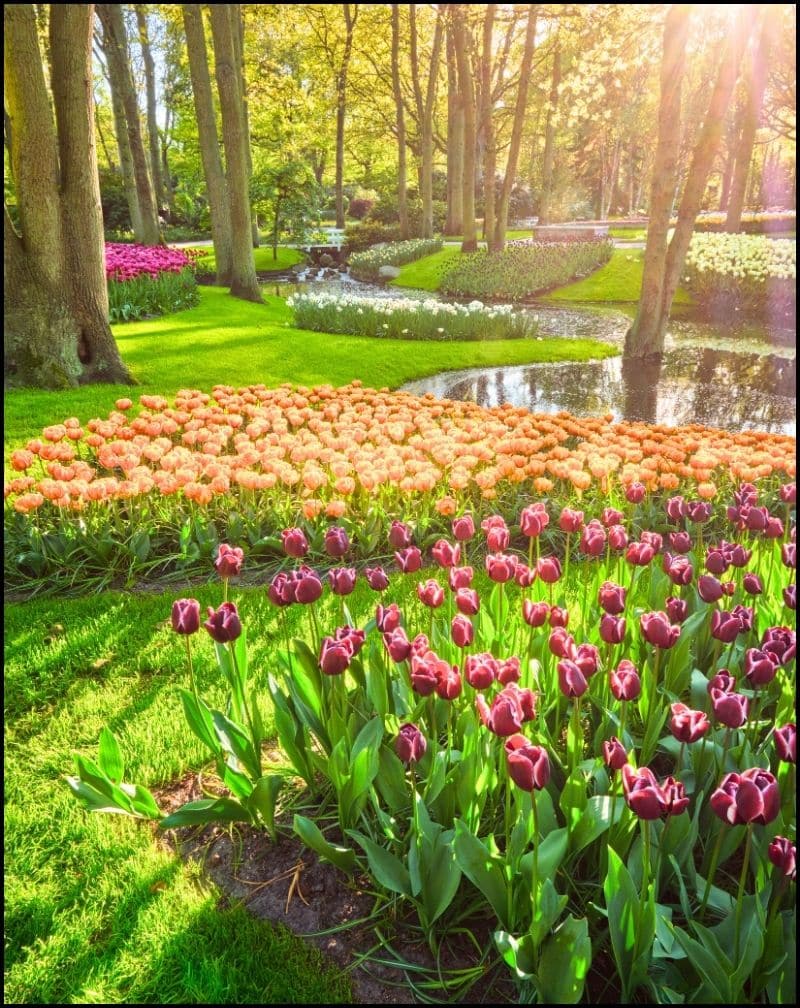
If a perennial fails here, it’s often one of these.
- Calling 3 hours of sun “full sun.” Full sun is 6+ hours.
- Putting drought lovers in wet clay. Butterfly weed and lavender hate soggy roots.
- Overwatering new plants in spring. Wet soil plus heat is trouble.
- Burying the crown. Many perennials die when the crown stays wet.
- Packing plants too close. No airflow plus humidity equals disease.
- Over-fertilizing. Many perennials flop when “too happy.”
- Giving up too soon. Some sleep year one, then explode later.