Alabama gardens can be beautiful, but they can also be demanding. Between the heat, the humidity, sandy soil in some places and heavier clay in others, a perennial has to be more than pretty if it is going to hold up without constant attention.
These 18 Alabama-friendly perennials are built for the challenge, bringing reliable color and strong garden performance without turning your yard into a second job.
Whether you are gardening in North Alabama, the Black Belt, or farther south near the coast, there is something here that can settle in and earn its keep.
Get ready to meet the toughest, most beautiful perennials that can keep an Alabama yard looking lively year after year.
1. Black-Eyed Susan (Rudbeckia hirta)
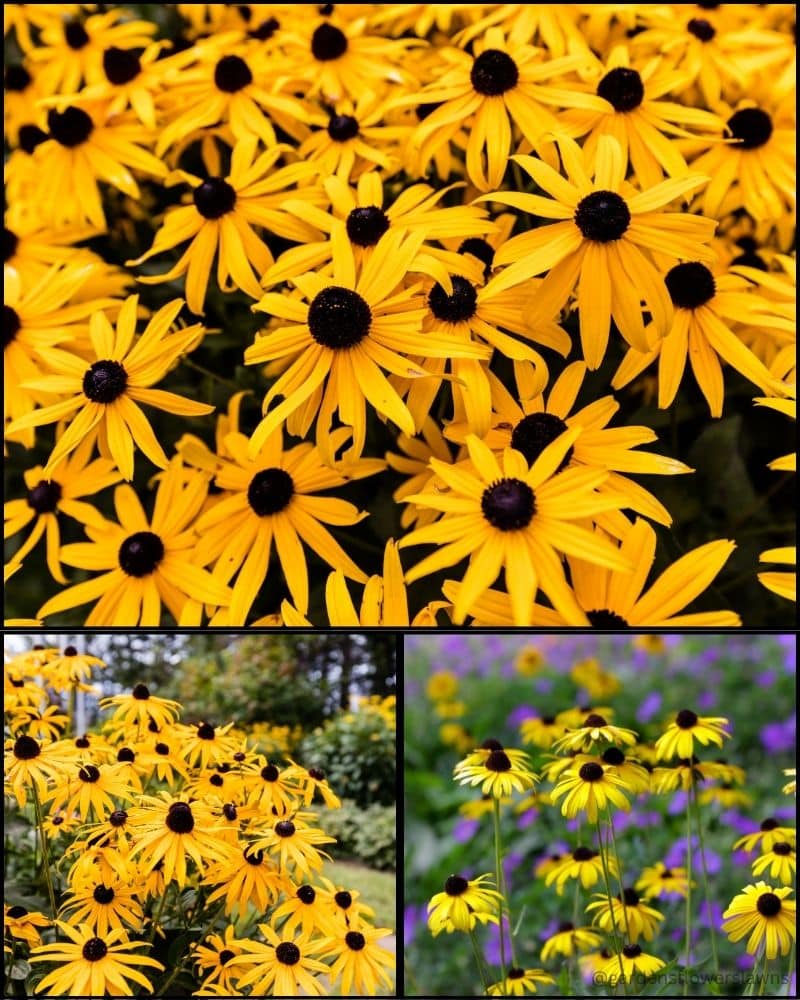
- Bright yellow flowers with dark centers.
- Thrives in full sun and average soil.
- Excellent easy-care wildflower look.
Black-eyed Susans are one of those plants that almost feel foolproof.
They bloom through the heat of summer, handle rough conditions well, and often reseed enough to keep the show going.
If you want cheerful color without extra work, they deliver.
2. Daylily (Hemerocallis)
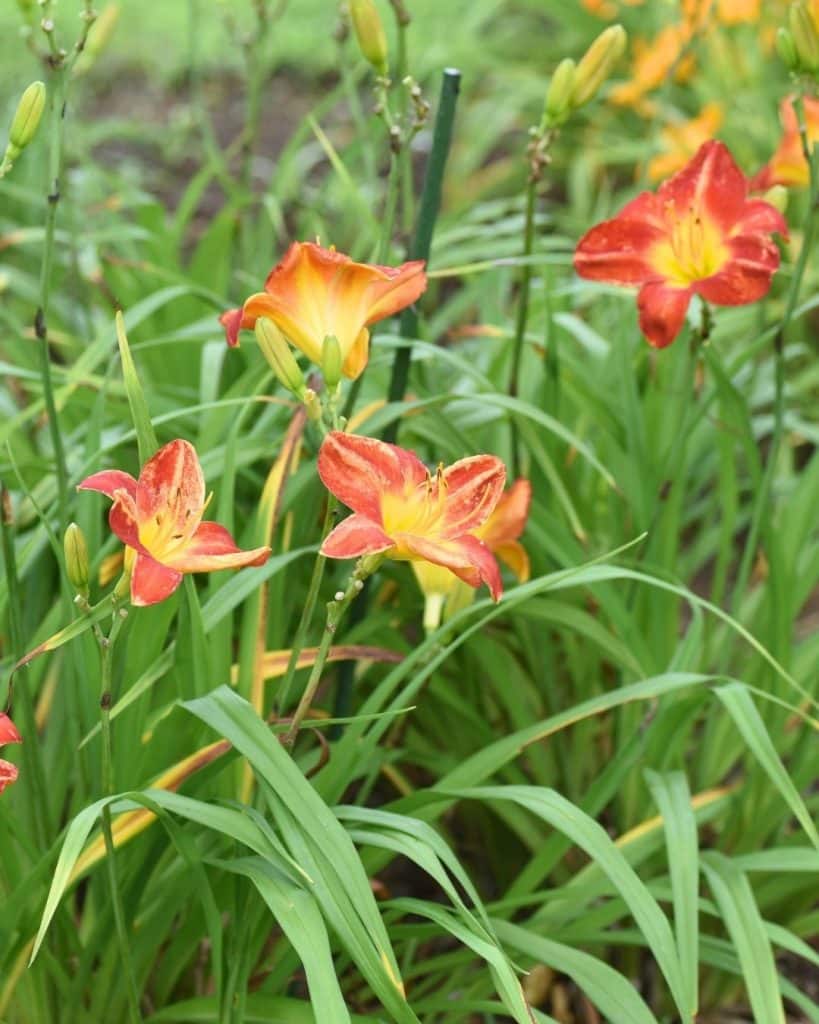
- One of the easiest perennials you can grow in the South.
- Handles heat, humidity, and a wide range of soils.
- Great for borders, mass plantings, and problem spots.
Daylilies are the kind of plant that make you look like you know exactly what you are doing.
They are forgiving, adaptable, and happy in conditions that wear out fussier flowers fast.
If you want something dependable and colorful, they are hard to argue with.
3. Lyreleaf Sage (Salvia lyrata)
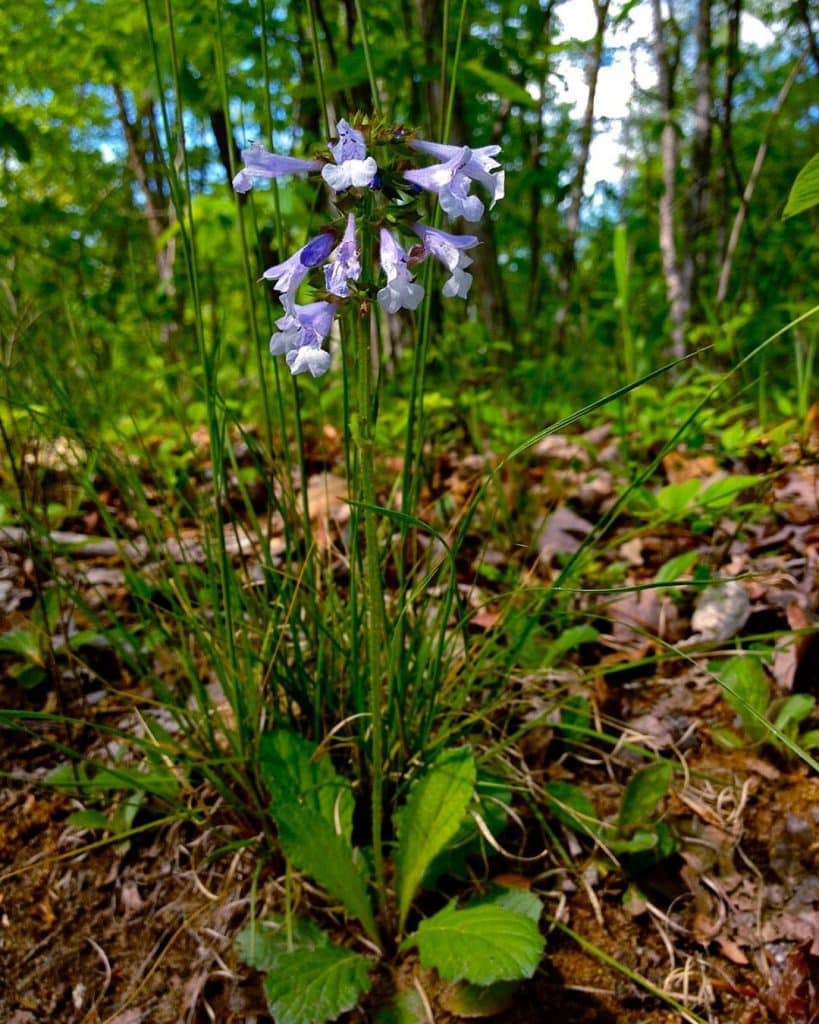
- Native perennial for sun to part shade.
- Tolerates heat, humidity, and some drought.
- Good low-maintenance option for naturalized spots.
Lyreleaf sage is the kind of quiet workhorse plant that earns its keep.
It is adaptable, easygoing, and useful in those parts of the yard where you want a native look without a lot of chores.
Once it gets settled in, it usually just keeps doing its job.
4. Stokes’ Aster (Stokesia laevis)
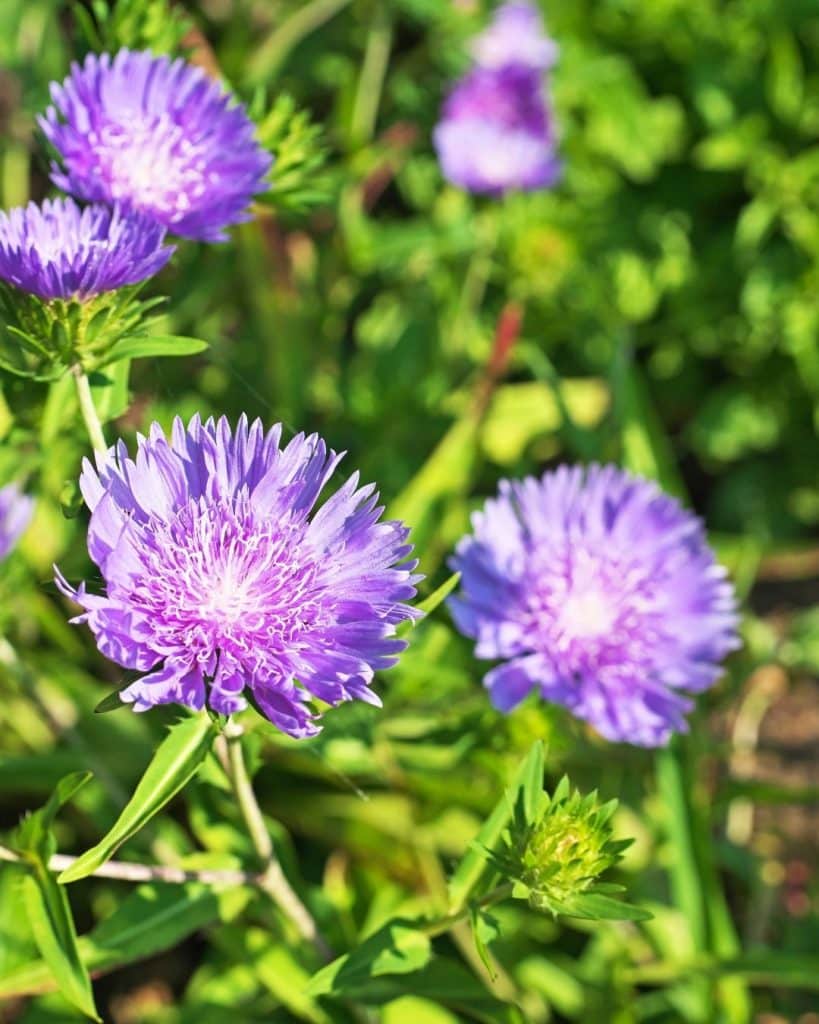
- Big blue-to-lavender blooms with a polished look.
- Strong choice for hot sunny borders.
- Brings cool-toned color to Alabama heat.
Stokes’ aster gives a bed that clean, polished look gardeners love.
It brings a cooler blue tone to all that Alabama summer heat, and it does it without acting delicate or demanding.
If you want something that looks refined but still works hard, this is a great pick.
5. Coral Honeysuckle (Lonicera sempervirens)
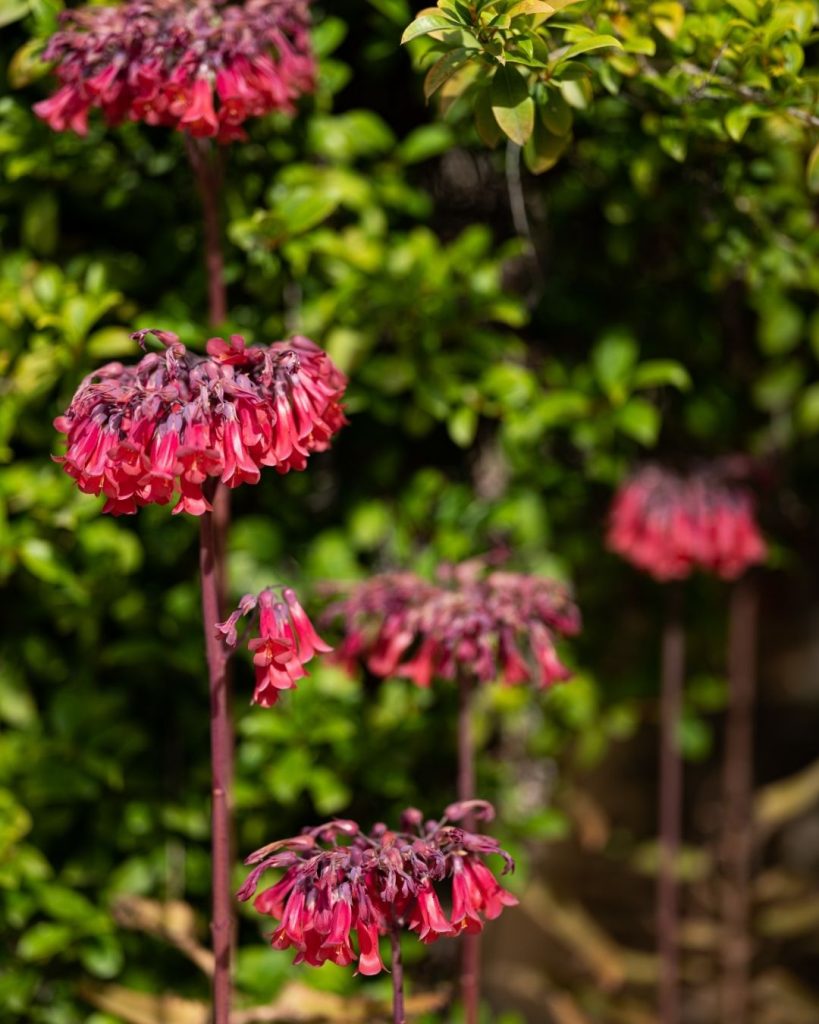
- Native vine with coral-red trumpet flowers.
- Excellent for fences, arbors, and trellises.
- Tougher and better behaved than many other flowering vines.
Coral honeysuckle gives you the beauty of a flowering vine without the headache of a truly aggressive problem plant.
It climbs, blooms well, and feels right at home in Alabama landscapes.
Train it early, then let it do its thing.
6. Muhly Grass (Muhlenbergia capillaris)
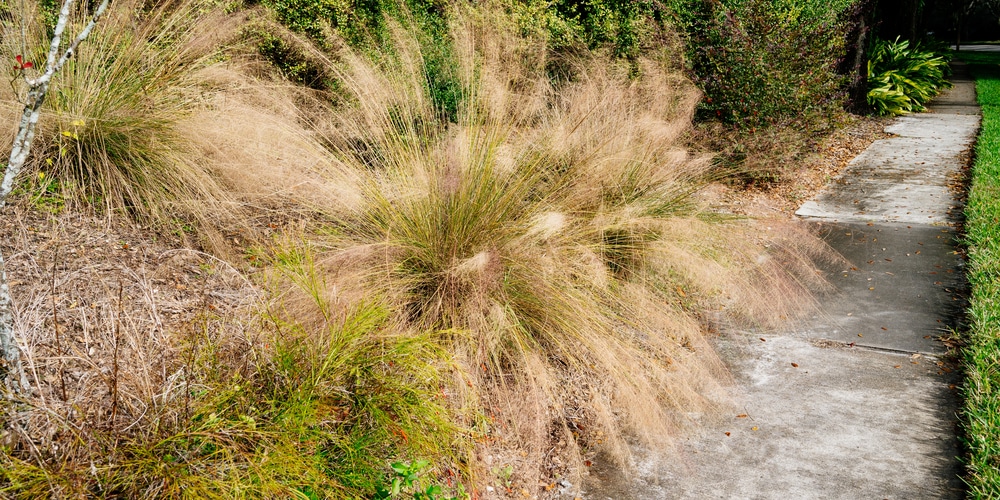
- Native grass with soft pink cloud-like blooms in fall.
- Handles heat, drought, and poor soil very well.
- Excellent for adding texture and movement.
Muhly grass is one of the easiest ways to make an Alabama landscape look special.
It is tough through summer, low-maintenance once established, and then puts on a pink fall show that looks far more expensive than it is.
Plant it in groups and it really pays off.
7. Purple Coneflower (Echinacea purpurea)
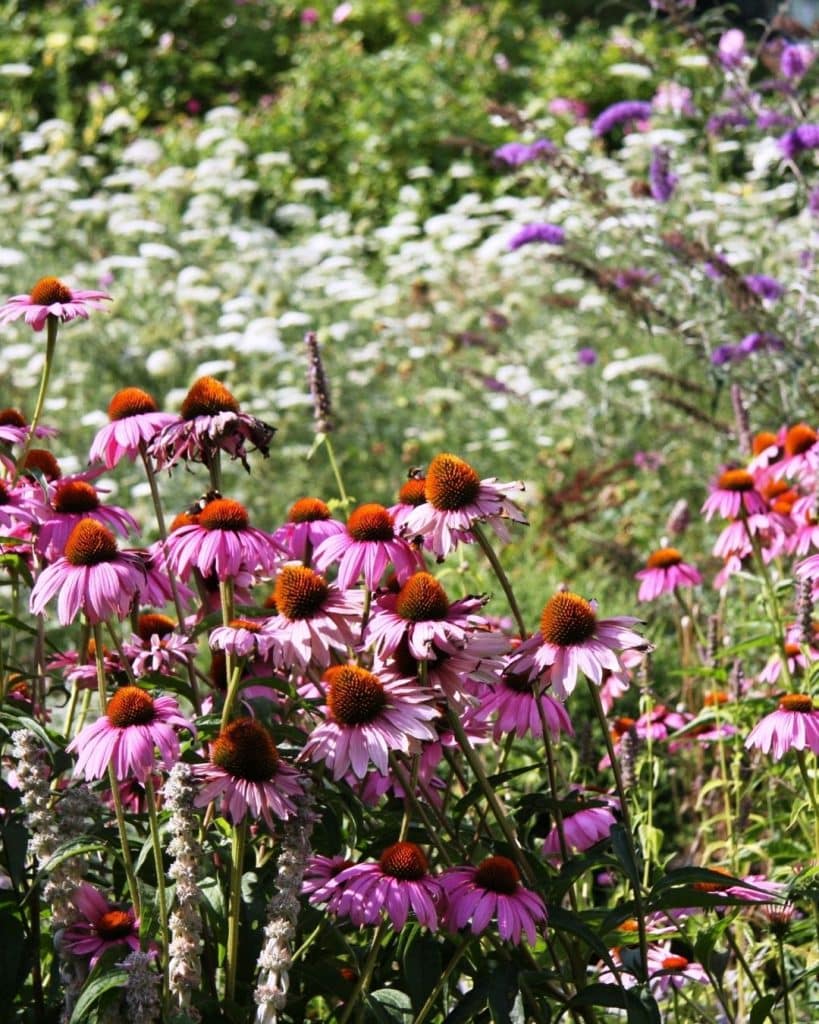
- Easy perennial with strong summer color.
- Reliable in sunny beds with good drainage.
- Keeps looking good long after peak bloom.
Purple coneflowers still earn their place because they simply work.
They bloom for a long stretch, hold up well in heat, and keep the bed looking alive even after the petals are gone.
Sometimes a dependable classic is exactly what a yard needs.
8. Salvia (Perennial Salvia)
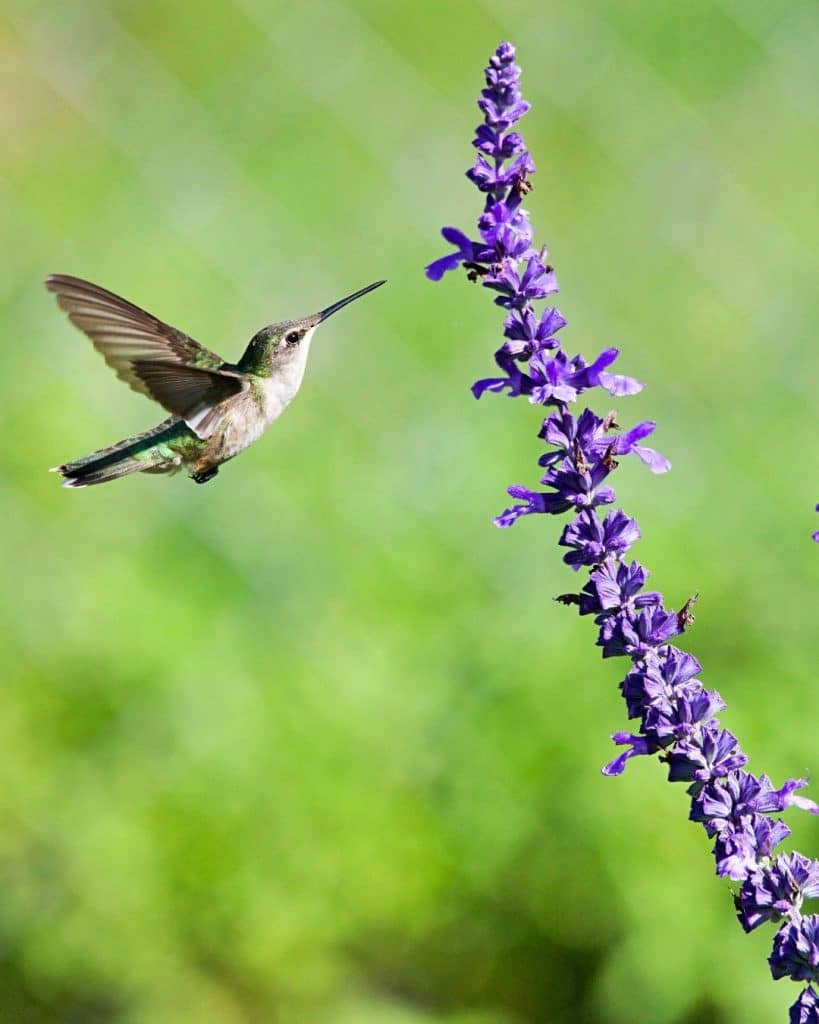
- Tough perennial with spikes of blue, purple, pink, or white flowers.
- Handles heat and sun better than many bedding plants.
- Great for long-lasting color with minimal fuss.
Perennial salvia is one of the best plants for people who want color without drama.
It stands up to Alabama heat, usually rebounds well after trimming, and keeps a border looking lively instead of tired.
If you like flowers that keep earning their place, this is one of them.
9. Coreopsis (Tickseed)
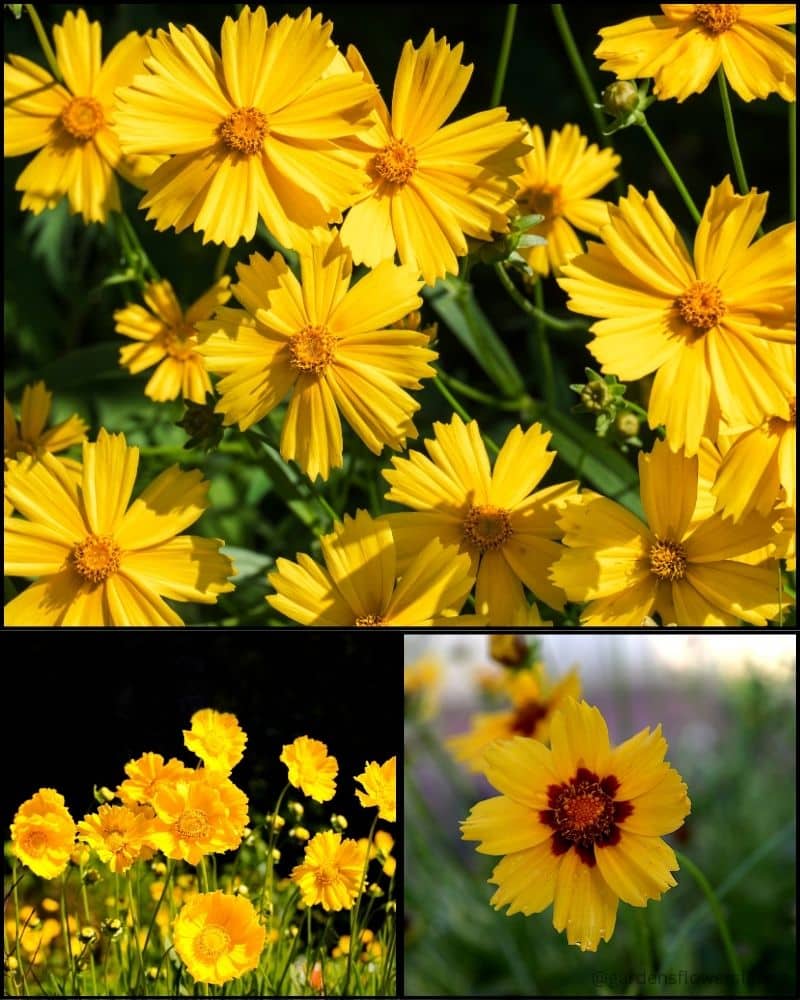
- Cheerful yellow flowers that thrive in full sun.
- Low-maintenance and long blooming.
- Great for borders and naturalized beds.
Coreopsis is the kind of plant that makes you feel like a better gardener than you are.
It blooms hard, handles summer heat, and fits right into Alabama yards without asking for much.
Plant it once and enjoy the bright color year after year.
10. Bearded Iris (Iris germanica)
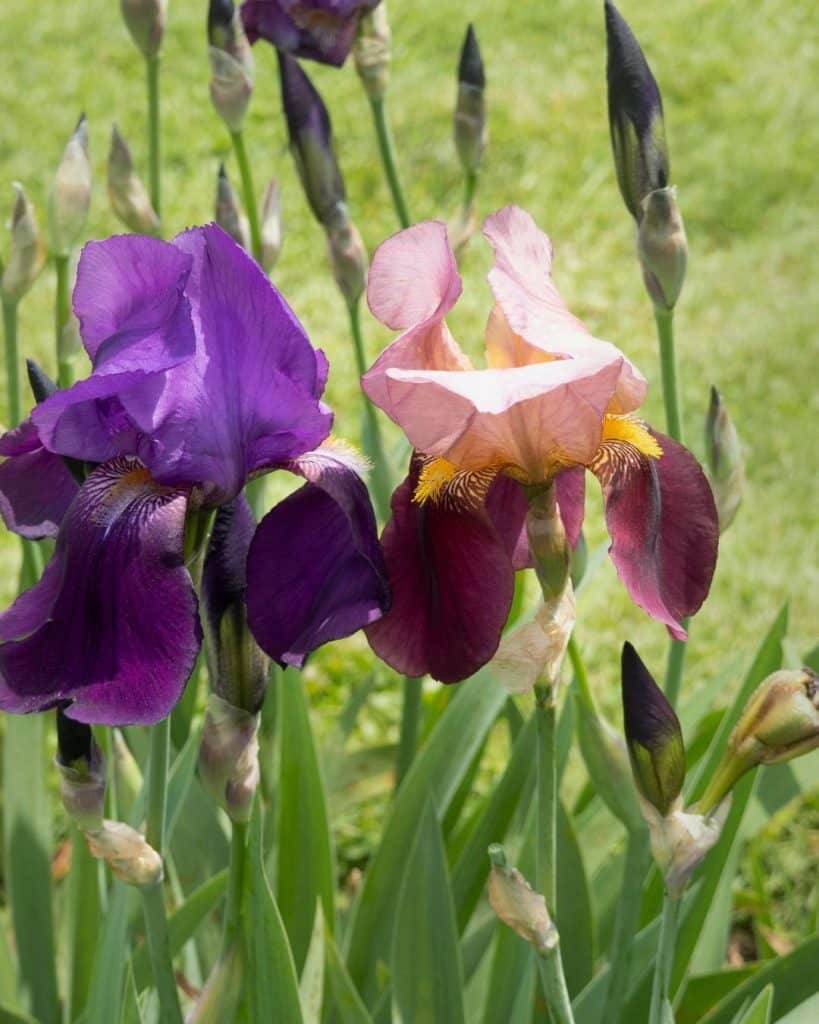
- Classic spring bloomer with bold, elegant flowers.
- Likes sun and good drainage.
- Can thrive for years with very little fuss in the right spot.
The bearded iris has been earning its keep in Southern gardens for a long time.
Give it drainage and some sun, and it can reward you year after year without acting needy.
For spring color with a little old-garden charm, it is a natural fit.
11. False Indigo (Baptisia)
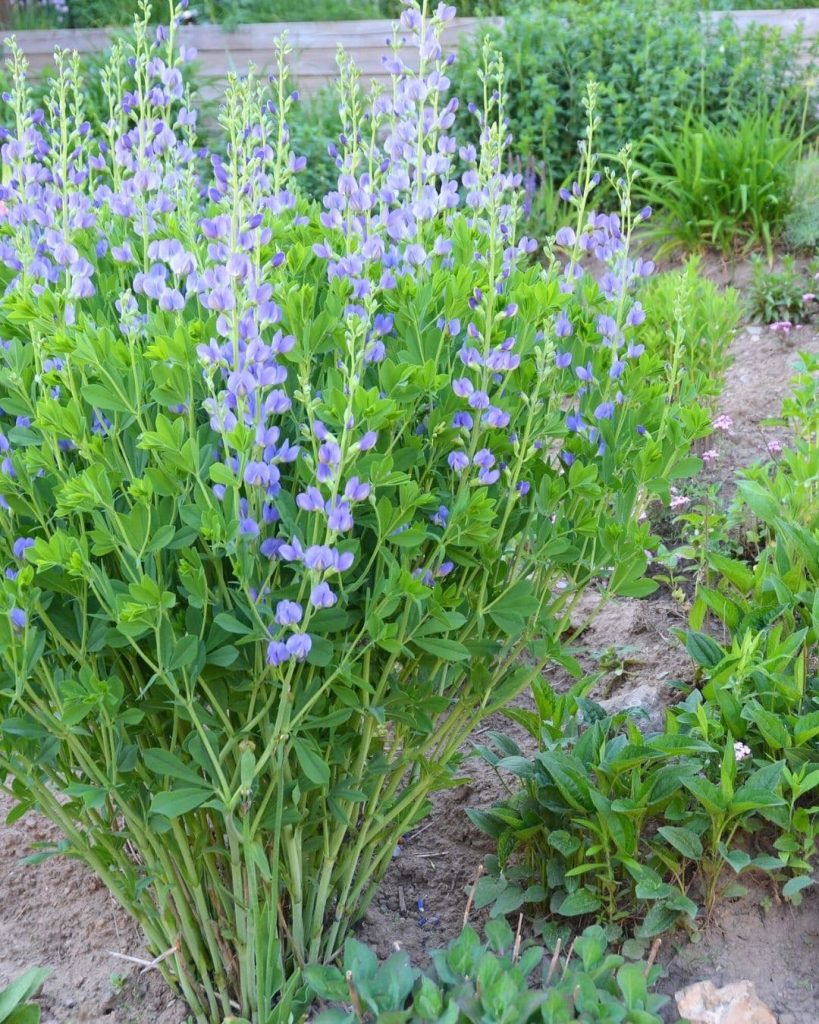
- Long-lived perennial with a shrub-like presence.
- Handles heat and drought well once established.
- Excellent for sunny beds that need structure.
False indigo is one of those plants that gets better and better the longer it sits still.
It forms a sturdy clump, handles Alabama summers well once established, and gives a bed some substance instead of just flower color.
If you want a tougher perennial with some backbone, this is a great choice.
12. Sedum (Stonecrop) (Sedum spp.)
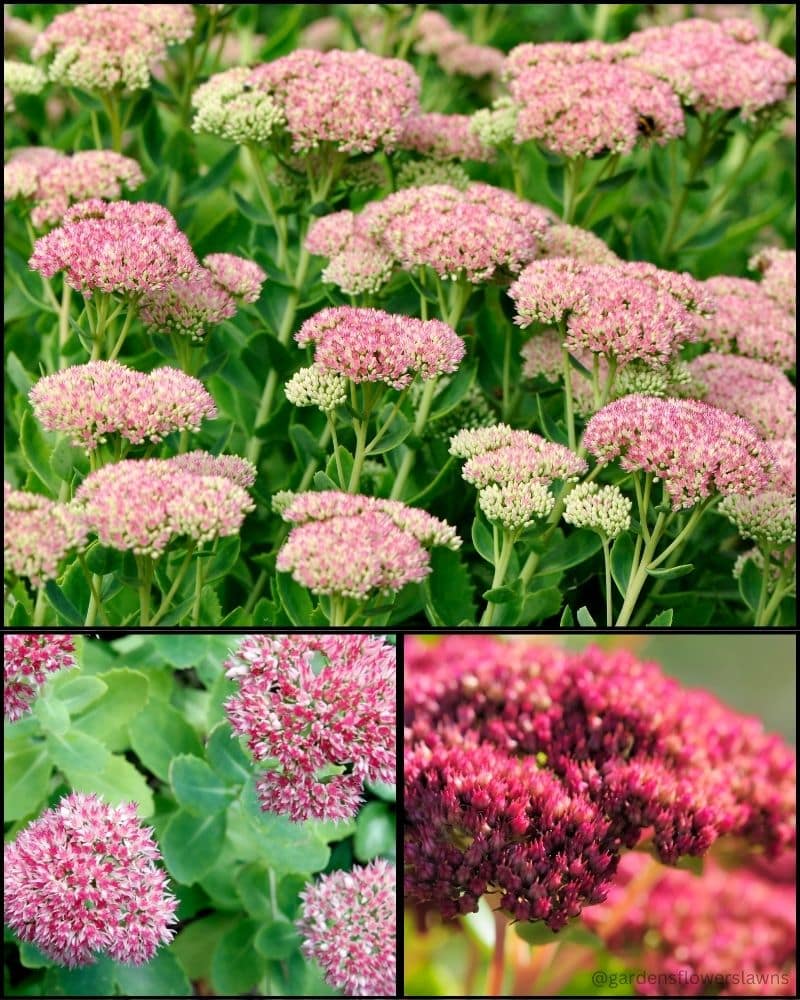
- Succulent perennial that thrives in sun and heat.
- Low water and excellent for borders or rockier spots.
- Brings texture even when it is not blooming.
Sedum is perfect for gardeners who want color without worry.
It tolerates heat, loves good drainage, and looks good even when you forget about it for a while.
Use it along borders, rockier areas, or anywhere you want low-care texture.
13. Butterfly Weed (Asclepias tuberosa)
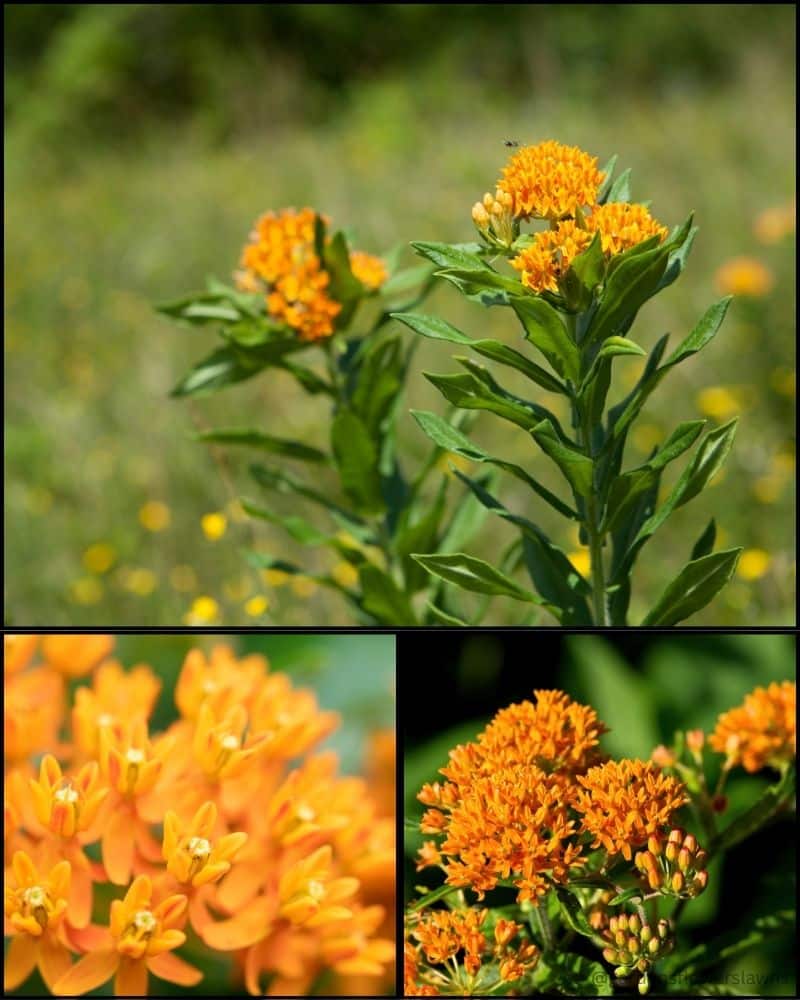
- Bright orange blooms that handle heat well.
- Thrives in sunny, drier spots.
- Tough native perennial once established.
The butterfly weed is one of the best plants you can add if you want bold color in a hotter, drier part of the yard.
It handles leaner soil and gives you a native plant that still feels exciting instead of purely practical.
Once it gets settled in, it is incredibly dependable.
14. Yarrow (Achillea millefolium)
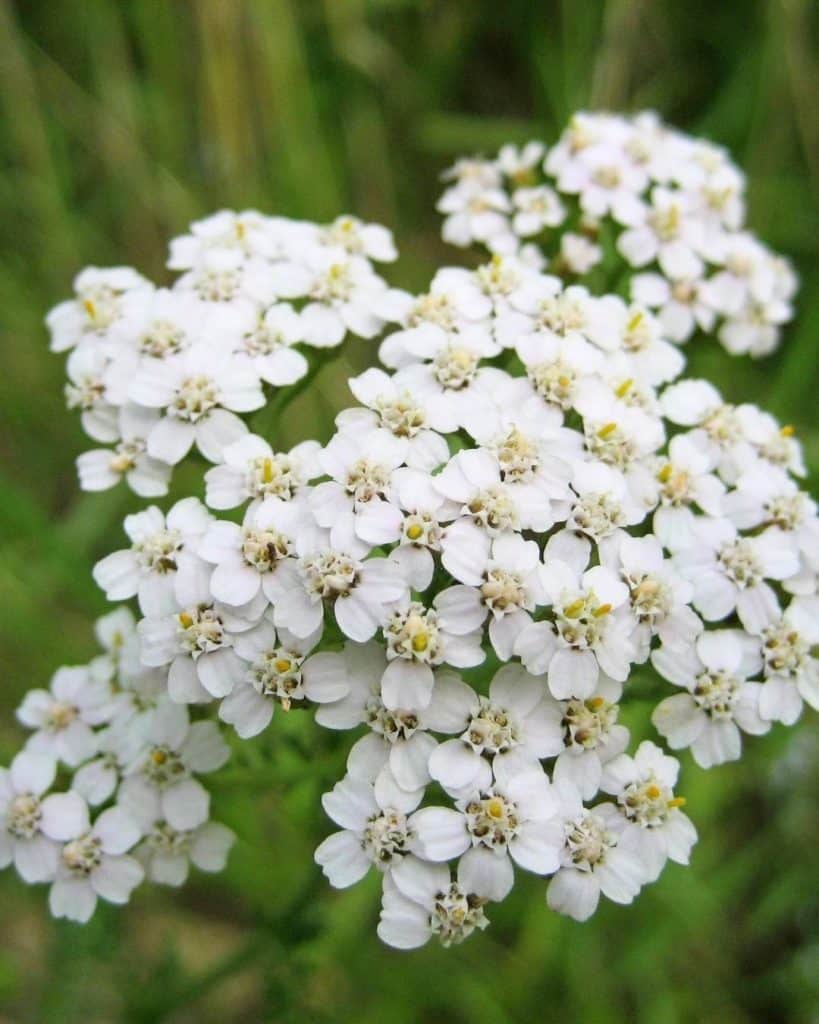
- Flat flower clusters that handle heat and poorer soil well.
- Strong choice for sunny borders.
- Easy-care and tough once established.
Yarrow is a good choice when you want something sturdy and low-fuss.
It likes sun, handles tougher conditions, and keeps a nice upright look instead of collapsing the minute summer gets serious.
For a hot border that needs dependable color, it is a useful plant.
15. Garden Phlox (Phlox paniculata)
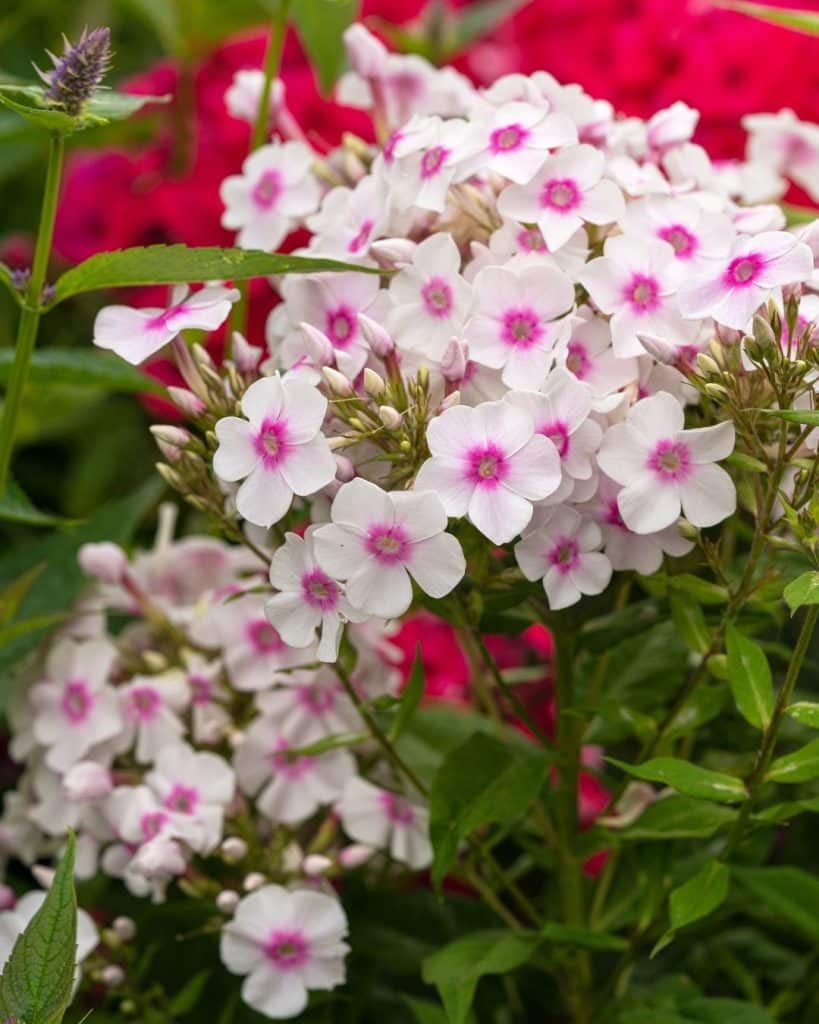
- Big summer flower clusters in pink, purple, and white.
- Excellent for borders and cottage-style beds.
- Can be very rewarding with good variety selection.
Garden phlox gives an Alabama garden that full, colorful look people love.
It brings height and bloom power in the middle of summer and mixes well with looser native plants and cleaner border plants alike.
Pick a good mildew-resistant type and it can really earn its space.
16. Russian Sage (Salvia yangii)
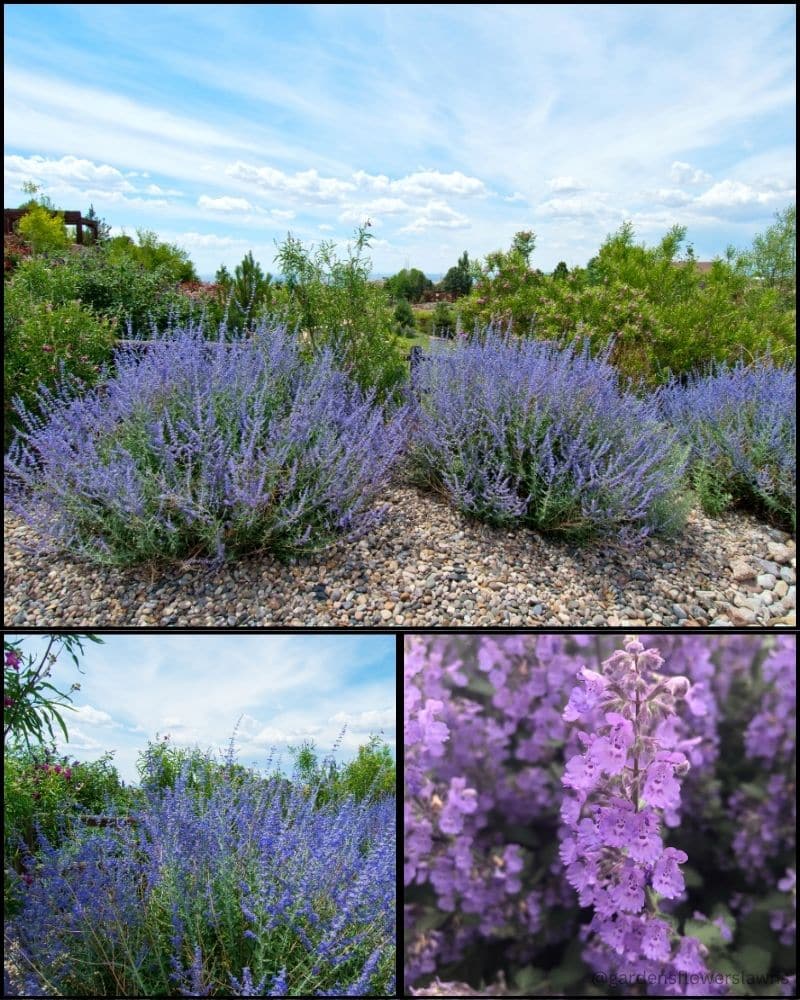
- Airy blue-purple spikes through summer and fall.
- Very heat and drought tolerant.
- Strong fit for sunnier, well-drained spots.
Russian sage is one of those plants that can take a lot more than it lets on.
It loves heat, looks good for a long season, and gives a bed that airy cloud of color that makes everything around it look a little better.
For a drier, sunnier spot, it is a very useful plant.
17. Aster (Symphyotrichum spp.)
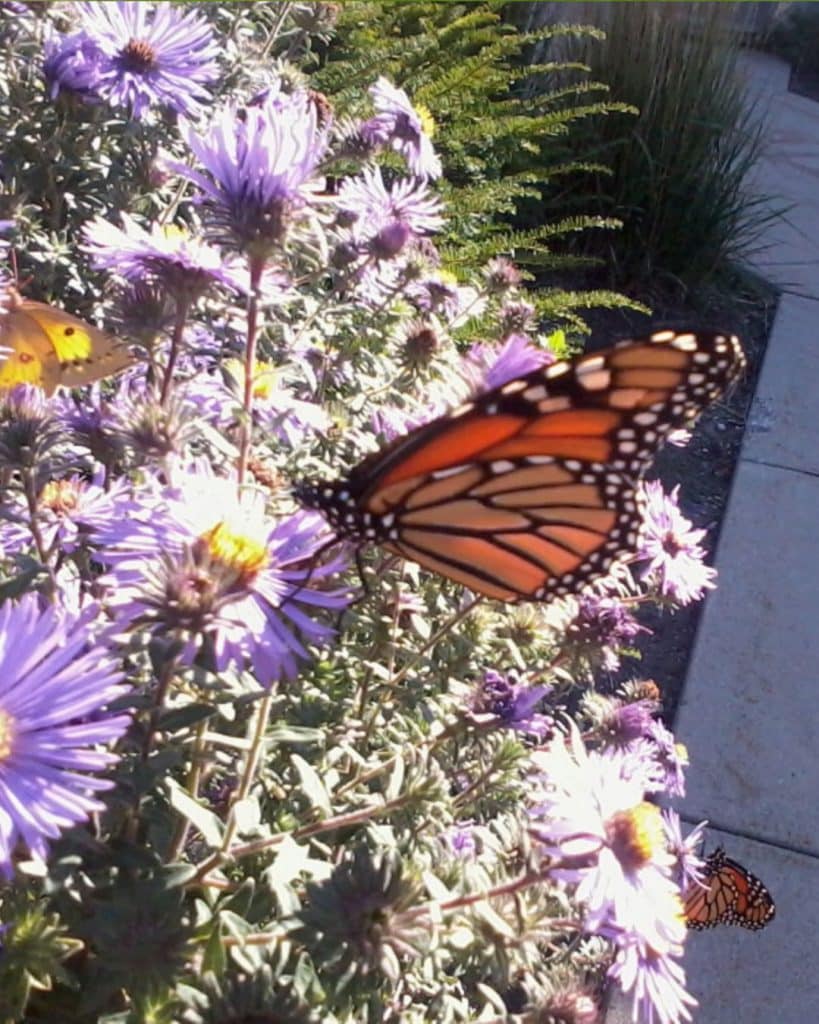
- Late-season flowers in purple, blue, pink, or white.
- Excellent for extending color into fall.
- Strong finish for Alabama borders and native-style beds.
Asters are one of the easiest ways to keep a garden lively later in the season.
They bloom when a lot of summer flowers are winding down and help carry the yard into fall with real color instead of a weak finish.
For a bed that needs a strong ending, they are a smart choice.
18. Goldenrod (Solidago spp.)
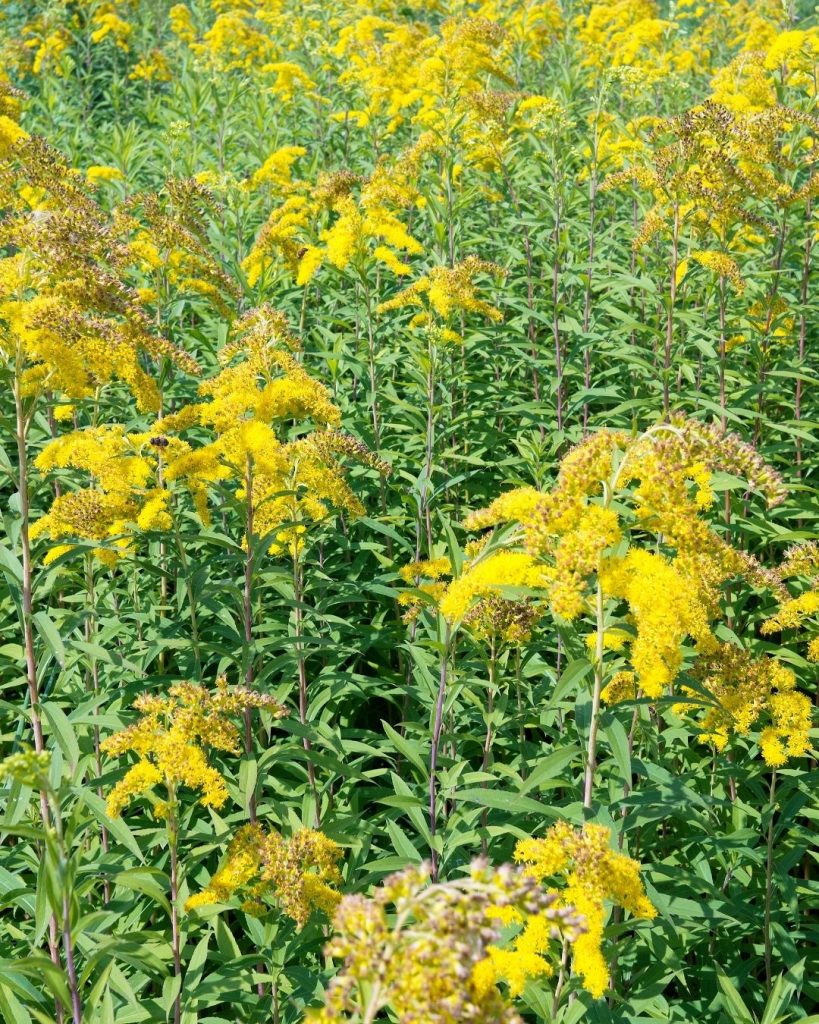
- Brilliant yellow late-season color.
- Excellent for pollinators and native-style gardens.
- Tough enough for a wide range of Alabama conditions.
Goldenrods get blamed for allergies they usually did not cause, but in the garden they are stars.
They bloom late, bring a rich burst of yellow, and help the season end with some life still in it.
If you want strong native color with very little fuss, they are hard to beat.
Thank you so much for reading. We hope all of your gardening endeavors are winners!