Some perennials stay polite forever. These ones don’t. They get wider, taller, and thicker with time, which is perfect if you’re tired of bare patches and constant fussing.
Just match them to sun and moisture now, and give them enough room to grow into their “adult size.”
Big, tough perennials (the “gets huge” crew)
1. Peonies (Paeonia lactiflora)

- Zones 3–8 and famously long-lived. A happy peony can bloom for 50+ years.
- Plant the “eyes” shallow: about 1–2 inches deep or you get leaves and no flowers.
- Best neighbors: catmint, salvia, iris, and nepeta to fill in when peony foliage starts to fade.
Peonies are the definition of “worth the wait.” They take a year or two to settle in, then the clump gets fuller, sturdier, and more flower-packed every spring.
Give them full sun (a little afternoon shade is fine in hot areas) and soil that drains well. Don’t overfeed. Too much nitrogen equals floppy stems and fewer blooms. A little compost in spring is plenty.
After flowering, leave the foliage alone until fall so the plant can store energy for next year’s show.
2. Hostas (Hosta spp.)
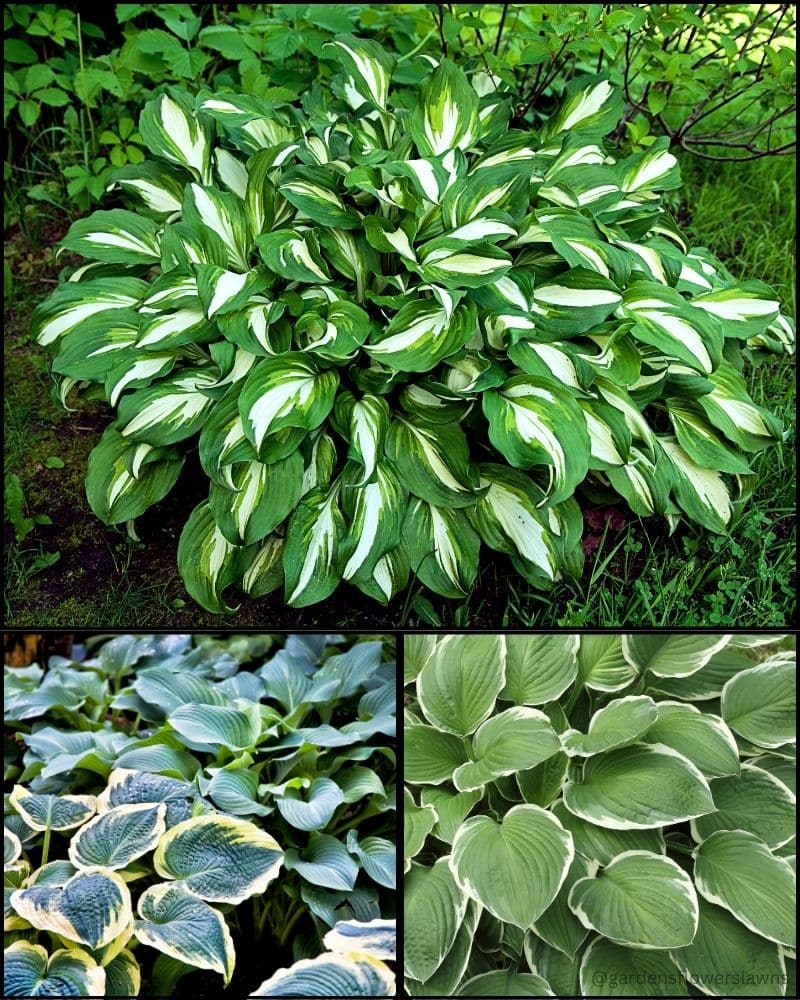
- Zones 3–9, and one of the easiest ways to make shade look lush fast.
- Slugs and deer love them: protect new growth early in the season.
- Great pairing plants: ferns, heuchera, brunnera, astilbe, and spring bulbs.
Hostas don’t just come back, they expand. Each year, the clump usually gets wider and thicker, especially if it gets morning sun and consistent moisture.
Deep shade is fine, but you’ll see slower growth and fewer flowers. Keep soil evenly moist, mulch to cool roots, and start slug control early (that’s when the damage happens).
If a hosta gets oversized or starts crowding its neighbors, divide it in spring as the shoots pop up.
Bonus: those flower spikes are a real pollinator draw in shady gardens.
3. Daylilies (Hemerocallis spp.)
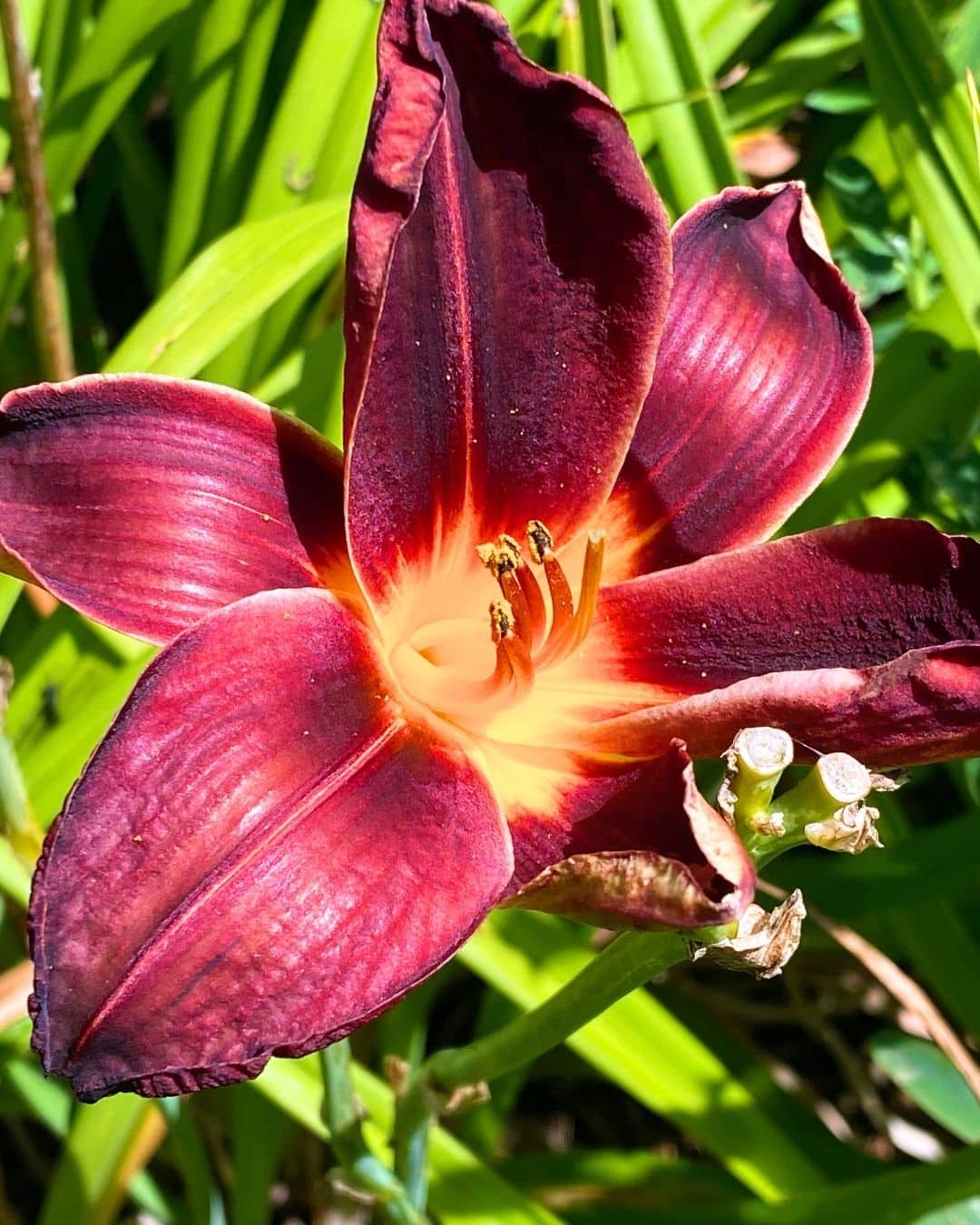
- Zones 3–9 and tough enough for heat, humidity, and “forgot to water” weeks.
- Each bloom lasts a day, but reblooming varieties keep going for weeks.
- Divide every 4–6 years if flowering slows or the clump gets crowded.
Daylilies are the hardworking backbone plant that makes borders look full without demanding much in return.
They like full sun for the best bloom, but they’ll still perform in part sun. Don’t worry about perfect soil, average garden dirt is usually fine.
A spring top-dress of compost helps, but they don’t need heavy fertilizer. If you want the tidy look, snap off spent flowers and remove old stalks after bloom.
Plant them with coneflowers, black-eyed Susans, and ornamental grasses for an easy, long-season combo.
4. Bee balm (Monarda didyma)
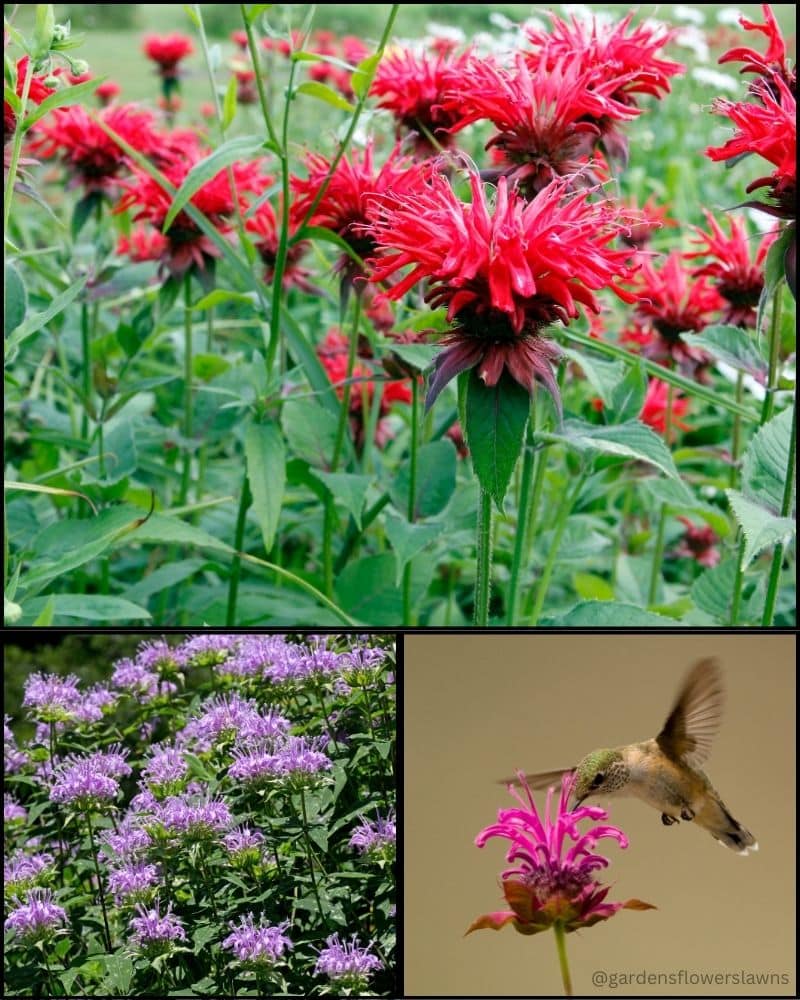
- Zones 3–9 and one of the best plants you can grow for hummingbirds.
- Look for mildew-resistant varieties if your summers are humid.
- Spreads naturally, so it’s great when you want a bed to fill in fast.
Bee balm is that bold, cottage-garden plant that makes everything around it feel more alive. It likes full sun to part sun, but airflow matters.
Crowded plants are more likely to get powdery mildew, so give it some space and water at the soil line, not over the leaves.
The clumps grow wider each year, and you can divide them every few seasons if they start getting too thick.
Bee balm also plays nicely with other summer stars like garden phlox, coneflowers, and black-eyed Susans, which helps the whole bed look intentional instead of messy.
5. Black-eyed Susans (Rudbeckia fulgida / hirta)
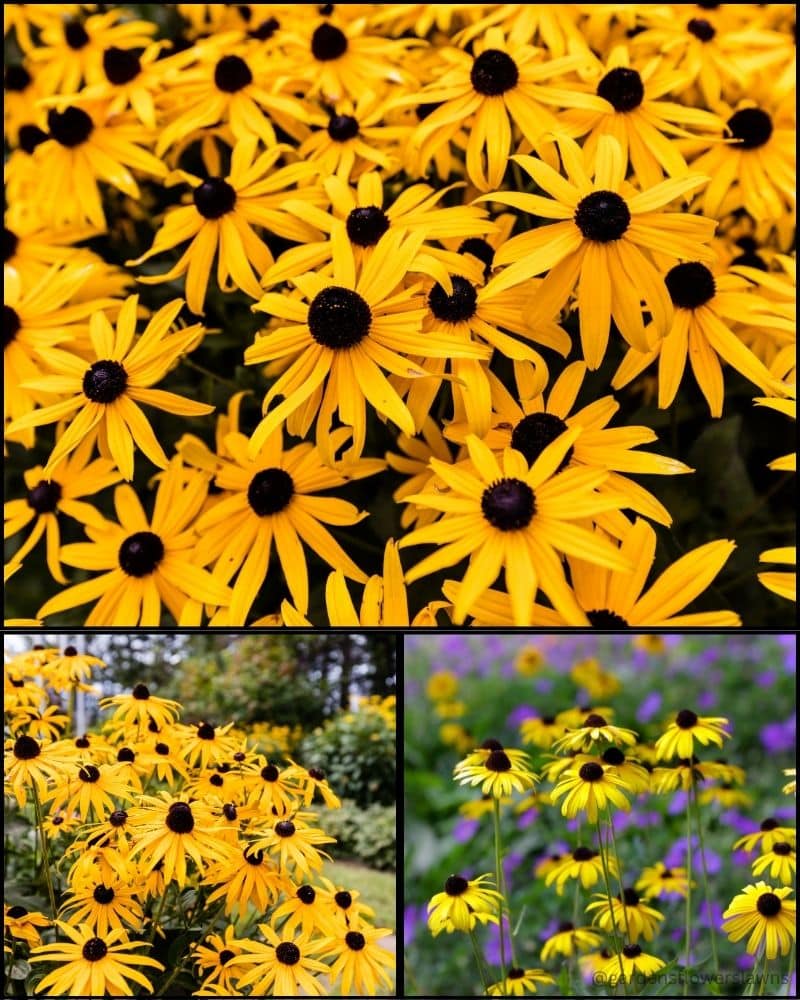
- Zones 3–9 depending on the type. ‘Goldsturm’ is a classic for reliability.
- Handles heat and average soil, and becomes a bigger, brighter clump over time.
- Leave some seedheads for birds, especially finches.
Black-eyed Susans are the easiest way to get that “late summer glow” look. Put them in full sun, don’t overwater once they’re established, and skip heavy feeding.
Too much fertilizer can make them tall and floppy. If you deadhead, they’ll bloom longer, but you can also leave some flowers to go to seed.
The plants often thicken up and spread into a nice drift, which is exactly what you want for a national, prairie-style border.
They look incredible with purple coneflowers, ornamental grasses, and sedums.
6. Purple coneflowers (Echinacea purpurea)
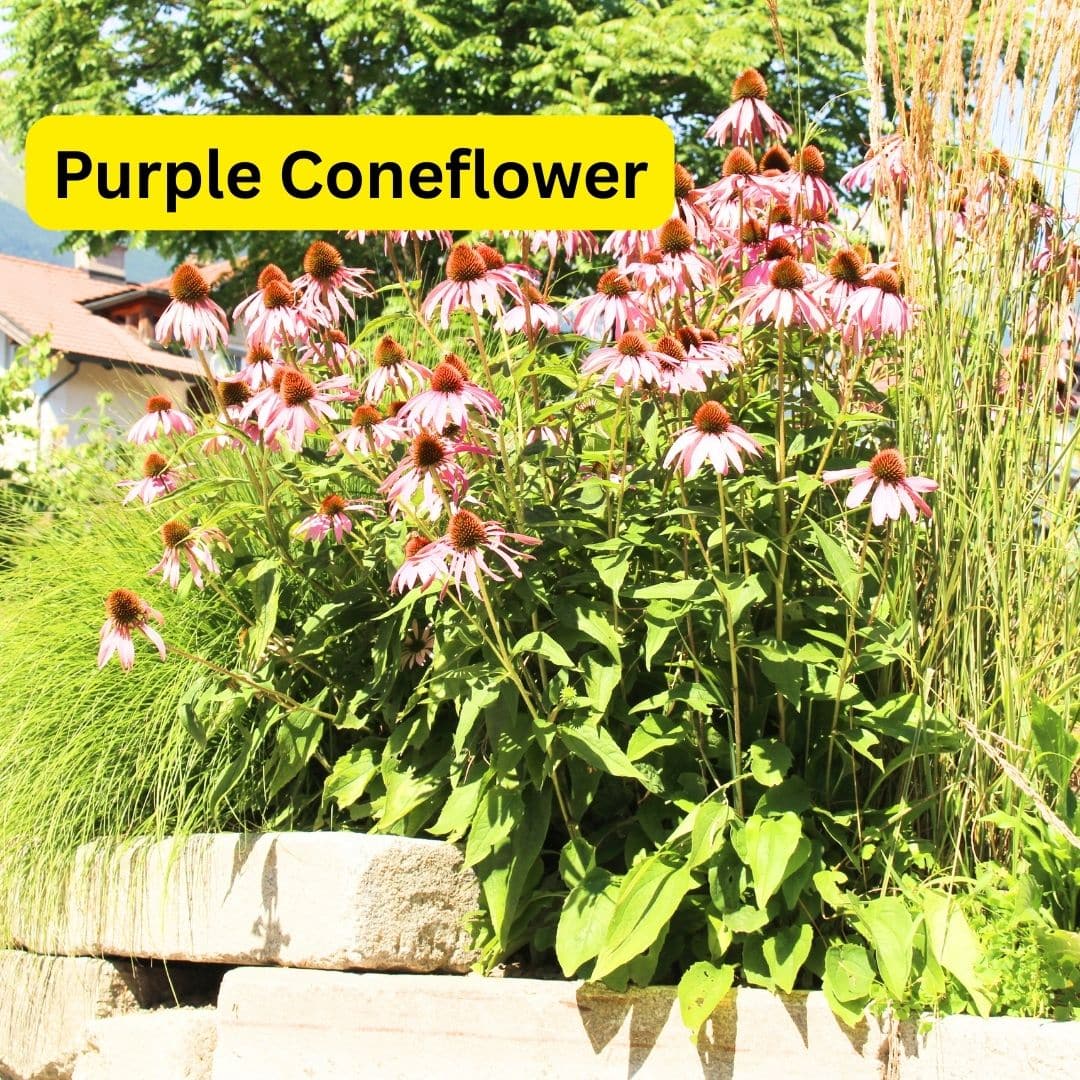
- Zones 3–9, drought tolerant once established, and generally deer resistant.
- Seedheads feed birds and look good in winter.
- Prefers sun and drainage, soggy winter soil is the one thing it hates.
Coneflowers are a “plant it and let it do its thing” perennial. The clump usually gets larger and sturdier every year, with more stems and more blooms.
Give them full sun and soil that doesn’t stay wet in winter. They don’t need rich soil, and too much fertilizer can reduce flowering.
If you want the longest bloom season, deadhead some flowers and leave others to form seedheads.
Pair them with black-eyed Susans, yarrow, and grasses for a tough, pollinator-friendly bed that still looks polished.
7. Garden phlox (Phlox paniculata)
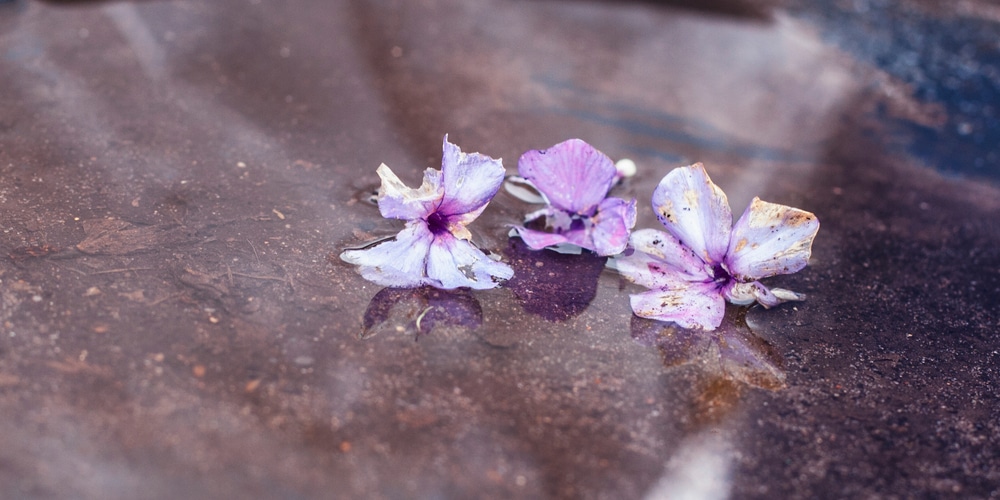
- Zones 4–8/9 and loved for big, fragrant summer blooms.
- Choose mildew-resistant varieties for cleaner leaves.
- Needs consistent moisture during hot spells for its best performance.
Garden phlox is one of those plants that makes a bed look “finished” because the flower clusters are big and showy.
It does best in full sun to part sun, with good airflow and soil that doesn’t dry out completely.
Water at the base and mulch to keep roots cool. A little compost in spring goes a long way, and trimming off spent blooms can encourage a second round.
It’s also a great “bridge plant” between early bloomers and fall perennials, because it keeps color going right when a lot of gardens start to look tired.
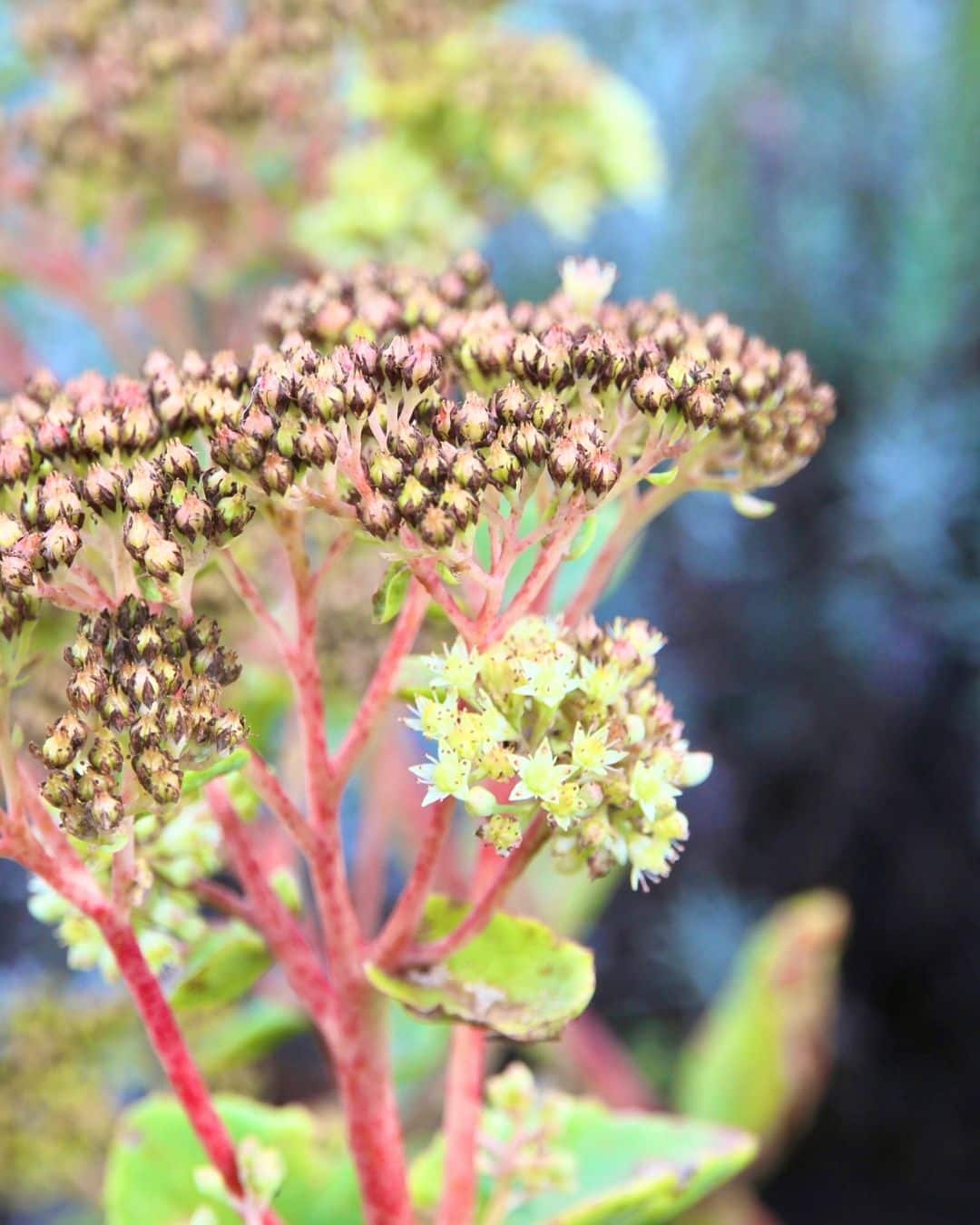
8. Sedums (Hylotelephium ‘Autumn Joy’ types)
- Zones 3–9 and basically built for drought and neglect.
- Full sun keeps them upright and sturdy.
- Blooms shift from pink to rusty bronze and hold their shape into winter.
If you want a plant that looks better every year with less effort, sedums are it. The clumps get wider and heavier, and the flower heads get more impressive over time.
Plant them in full sun and don’t spoil them. Rich soil and too much water can make them flop. If you want a tighter shape, pinch stems back in late spring for a bushier plant.
Sedums are perfect with ornamental grasses, coneflowers, and black-eyed Susans, and they’re a secret weapon for fall gardens because they stay attractive long after other blooms fade.
9. Yarrow (Achillea millefolium)
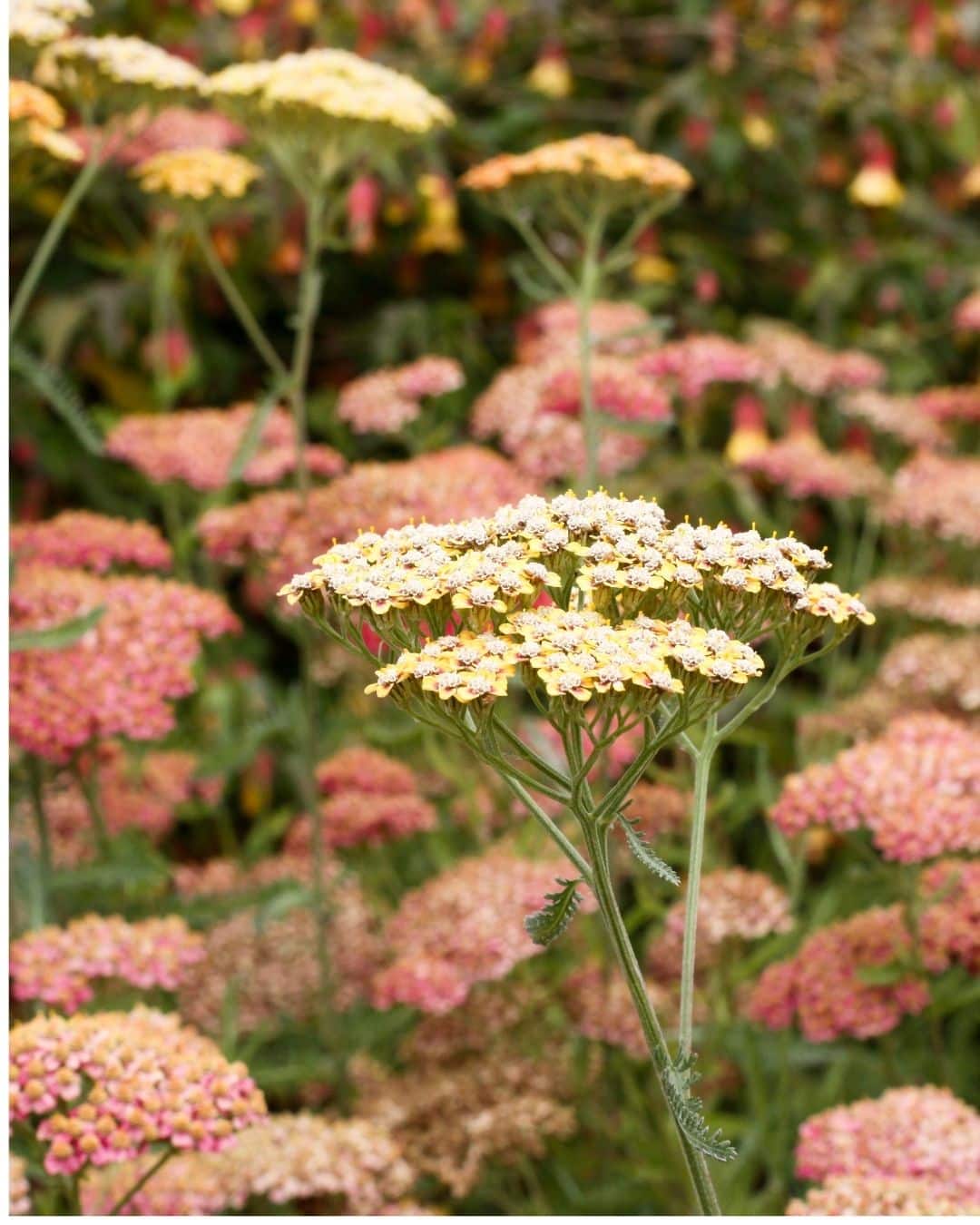
- Zones 3–9, drought tolerant, and great for hot, sunny spots.
- Flat blooms are excellent for cutting and drying.
- Likes lean soil, rich soil can make it flop or shorten its life.
Yarrow is the plant you put where you want tough beauty. It spreads and thickens into a wider patch over time, especially in full sun with well-drained soil.
The biggest mistake people make is feeding it too much. Yarrow is happiest when it has to work a little.
Deadheading keeps blooms coming and keeps it looking tidy. It mixes well with coneflowers, blanket flowers, and grasses for a natural, meadow look.
And because it’s so drought tolerant, it’s also a smart pick for hellstrip plantings and sunny slopes.
10. Blanket flowers (Gaillardia aristata)
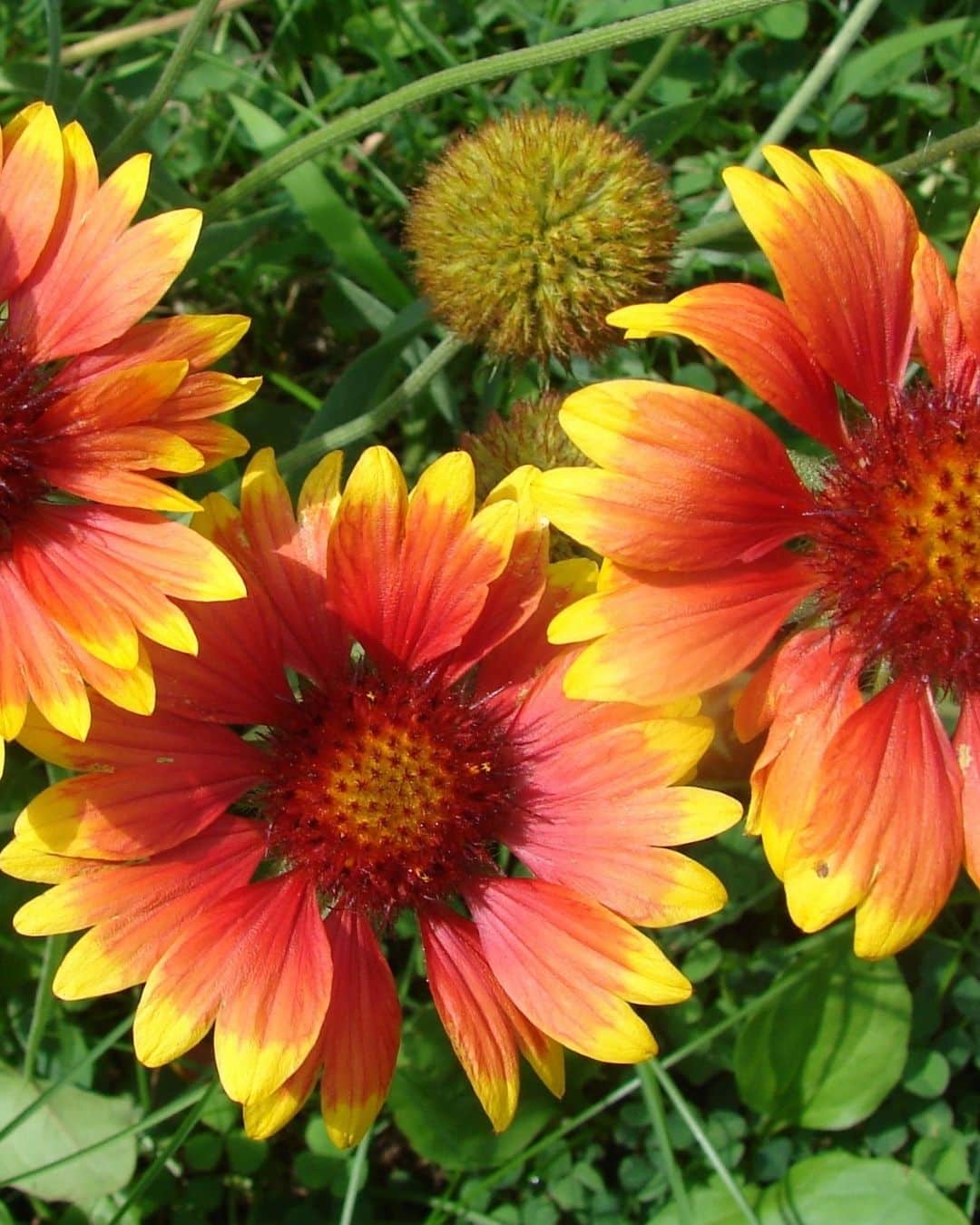
- Zones 3–10 depending on variety, and one of the best heat lovers around.
- Needs excellent drainage. Wet winter soil is what usually kills it.
- Deadheading keeps it blooming and helps the clump stay neat.
Blanket flowers bring that warm, sunset color palette that looks good with everything. In the right spot, the plants thicken up each year and bloom like crazy from early summer well into fall.
Give them full sun and soil that drains fast, sandy or gritty is perfect. Skip heavy mulch, and don’t overwater once they’re established.
If your garden soil is rich, don’t fertilize, it can shorten their lifespan. Plant them with yarrow, coreopsis, and ornamental grasses for an easy, drought-friendly border that looks cheerful for months.
Spreading groundcovers (bigger by “covering more ground”)
11. Creeping thyme (Thymus serpyllum)
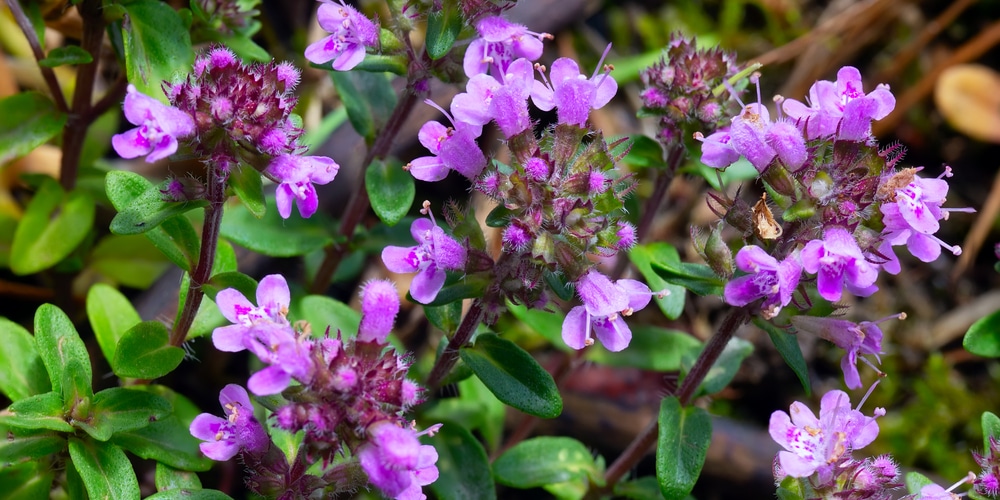
- Full sun and sharp drainage are non-negotiable.
- Bees adore the flowers, and the foliage stays fragrant.
- Great between pavers, but won’t love soggy clay.
Creeping thyme spreads low and wide, knitting bare soil into a tidy mat that gets thicker each year. Plant it where it can bake a little, like along a walkway or at the front of a border.
Once established, it is drought tolerant and happiest when you let it lean out. Skip heavy fertilizer.
It can reduce flowers and make growth floppy. Pair it with sedums, lavender, and yarrow for a dry, sunny planting that stays neat.
12. Creeping phlox (Phlox subulata)
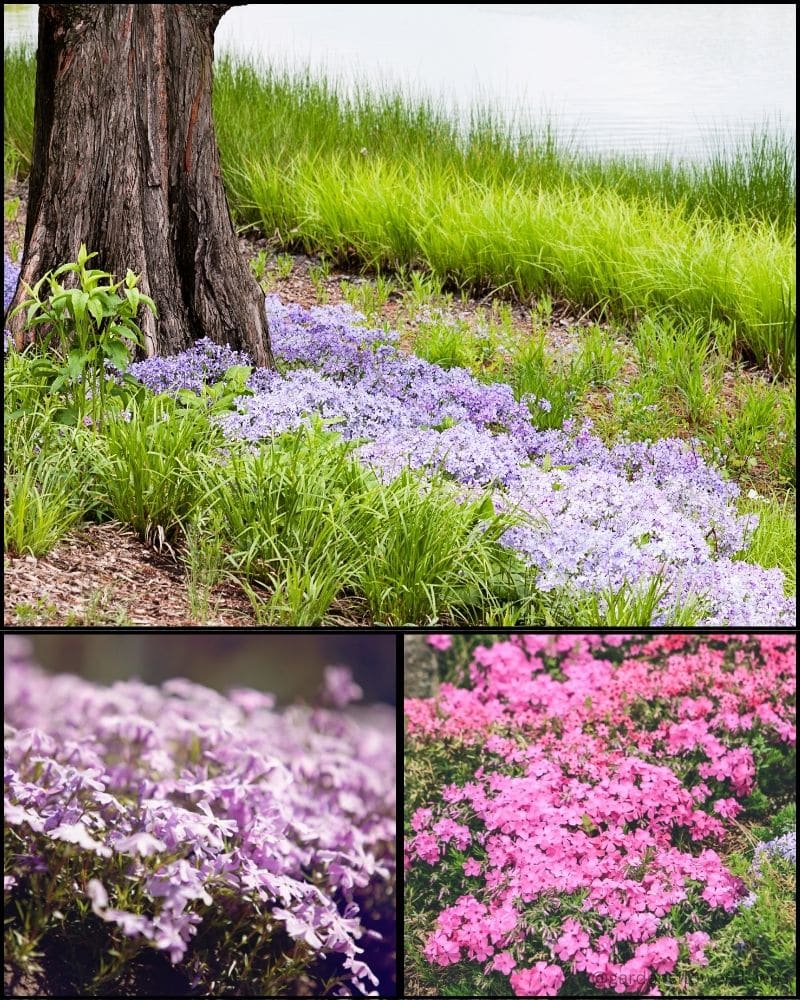
- Spring color explosion in full sun, especially on slopes.
- Loves well-drained soil and hates wet winter feet.
- Shear lightly after bloom to keep it dense.
Creeping phlox is the classic “waterfall of flowers” groundcover, and it spreads into a wider carpet every season.
It’s perfect for edging beds, spilling over rocks, and holding a sunny bank together. Give it sun and decent drainage, and it will reward you with thick evergreen-ish foliage and masses of blooms.
After flowering, a quick trim keeps the plant from getting stringy and encourages fresh growth. Plant it with bulbs like tulips and daffodils for a spring combo that looks designed on purpose.
13. Ajuga (Ajuga reptans)
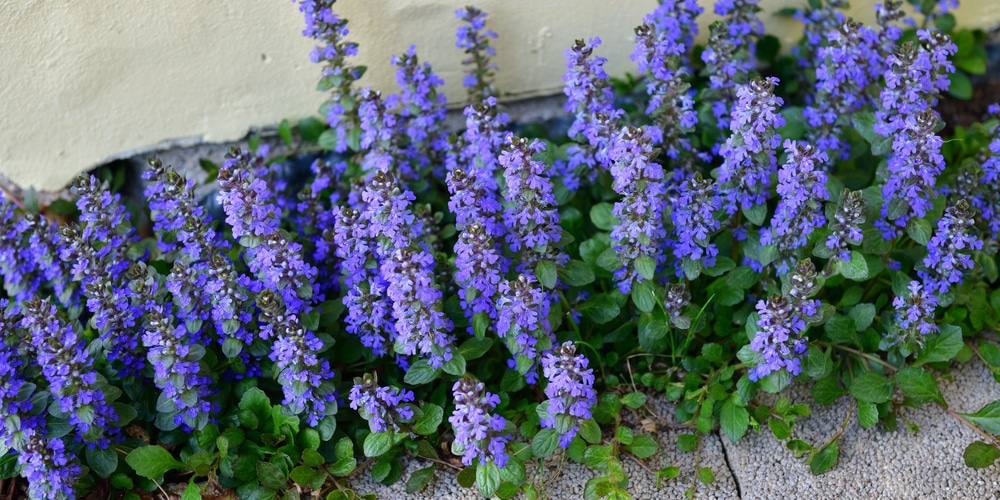
- Thrives in part shade, even under trees.
- Spreads fast, so edge it or contain it.
- Blue flower spikes are a pollinator favorite in spring.
Ajuga is a quick way to turn thin, shady spots into a glossy, living mulch. It forms dense rosettes that creep outward and smother a lot of small weeds as it expands.
Give it moisture while it establishes, then it becomes surprisingly tough. In humid areas, airflow helps prevent crown rot, so avoid burying it in thick mulch.
Ajuga looks especially good with hostas, ferns, and heuchera. If it starts wandering, simply pull up the runners and replant them where you want more coverage.
14. Creeping Jenny (Lysimachia nummularia)
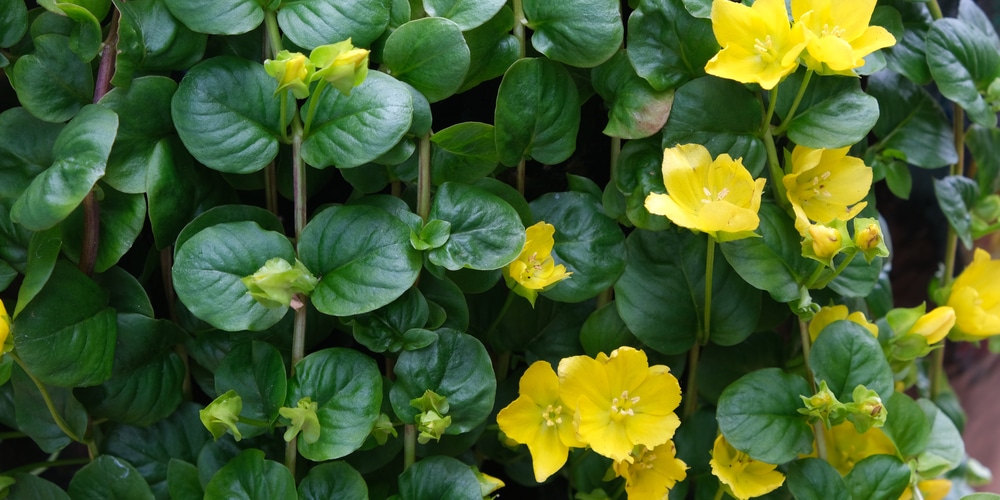
- Best in moist soil, sun to part shade.
- Bright chartreuse foliage pops, but it can spread aggressively.
- Perfect for containers where it can spill safely.
Creeping Jenny grows like it has a mission. In the ground, it will expand quickly, especially in moist spots, and it can outrun polite neighbors.
If you love the look, use it where spreading is welcome, or contain it with edging. It’s also a star in pots, window boxes, and hanging baskets, where the trailing stems give instant fullness.
In hot climates, a little afternoon shade keeps the foliage from scorching. Pair it with blue or purple flowers for high contrast that reads from the curb.
15. Liriope (Liriope spicata / muscari)
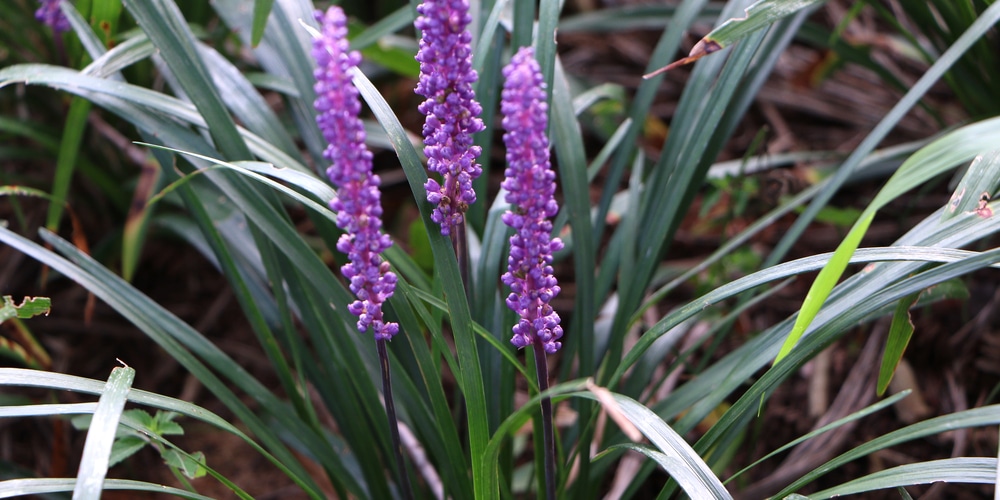
- A tough, grass-like groundcover for Zones 5–10.
- Handles shade, roots, and drought once established.
- Purple flower spikes add late-summer interest.
Liriope is one of those “set it and forget it” plants that quietly gets better every year. It spreads into thicker clumps, filling gaps under trees, along paths, and at the base of shrubs.
It prefers average soil and consistent moisture its first season, then settles into a durable routine.
Liriope spicata spreads more, while muscari stays in clumps, so choose based on how contained you want it.
It looks especially clean planted in repeating drifts, and it pairs well with hostas, hydrangeas, and spring bulbs.
Grasses and big leaf statement plants
16. Maiden grass (Miscanthus sinensis)
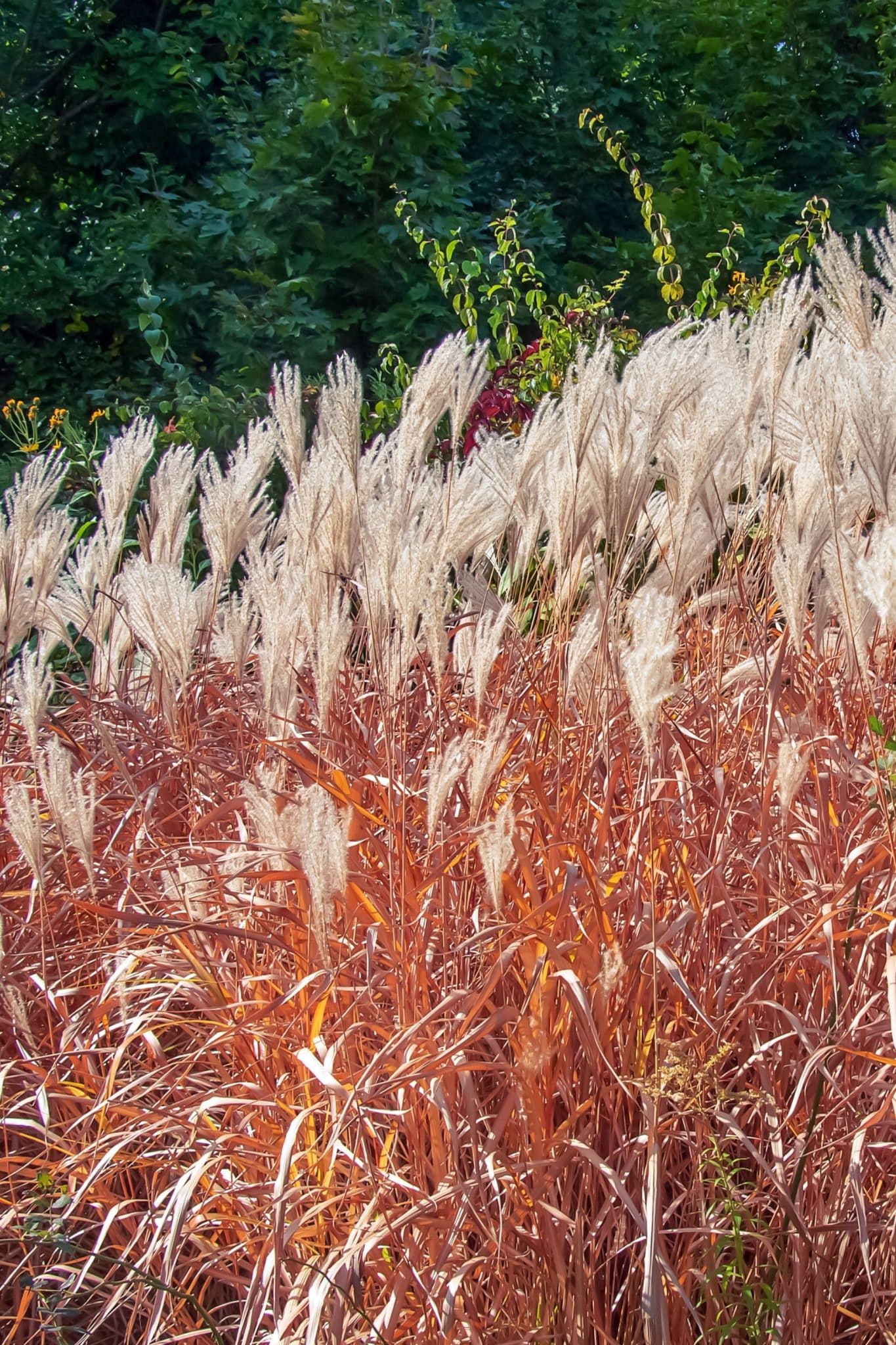
- Full sun gives the best height, plumes, and color.
- Needs space, because mature clumps get wide and dramatic.
- Cut back in late winter before new growth starts.
Maiden grass is the definition of movement in a garden. Each year the clump expands, sending up more stems and fuller plumes that catch light and breeze.
It’s adaptable, but it performs best in sun with average soil and occasional deep watering during drought.
Avoid over-fertilizing, which can cause floppy growth. Use it as a backdrop for coneflowers, black-eyed Susans, and sedums, or as a soft privacy screen.
If you live in an area where it can self-seed, choose sterile cultivars for a tidier footprint.
17. Switchgrass (Panicum virgatum)
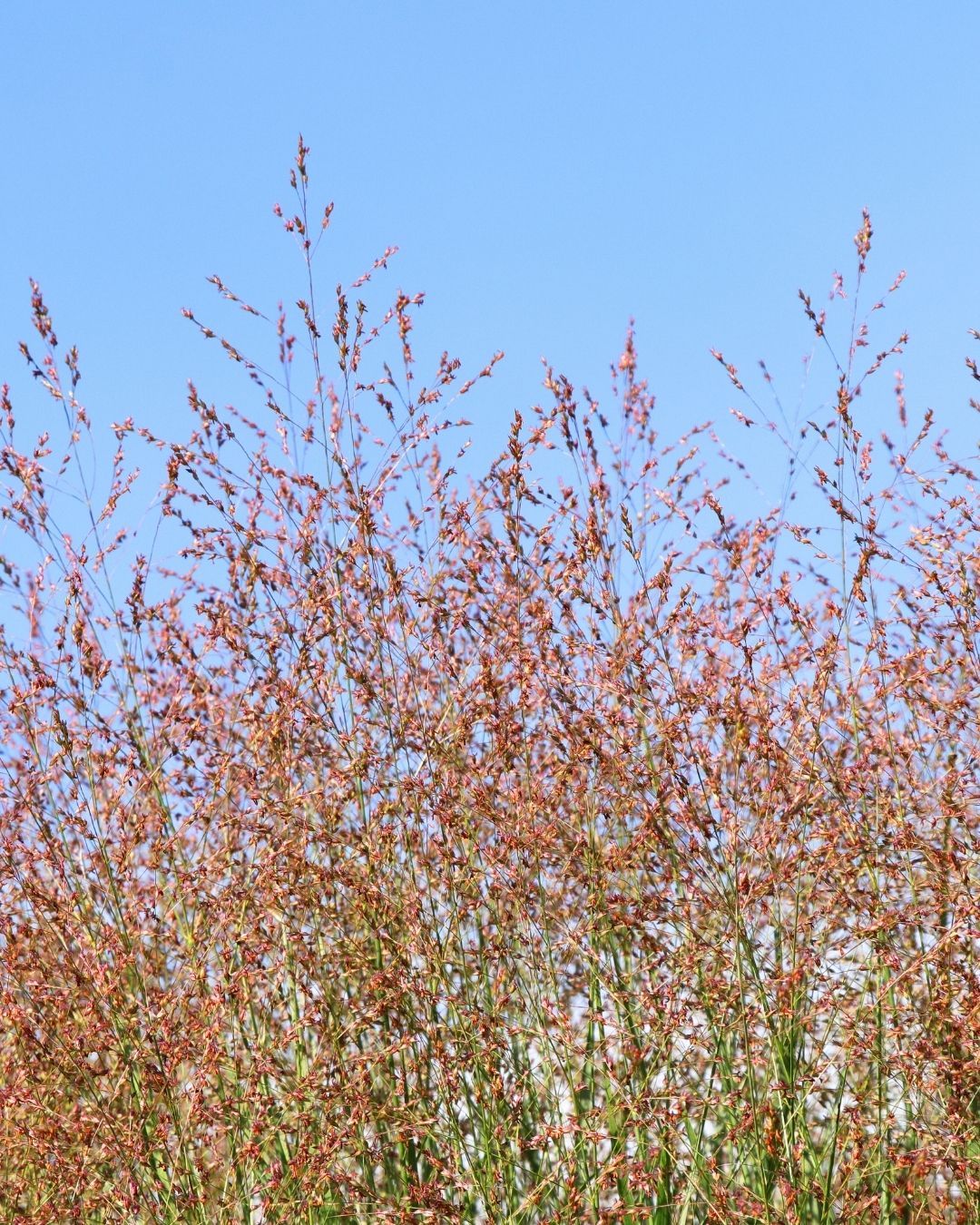
- Native and hardy (typically Zones 4–9).
- Handles heat, humidity, and drought once established.
- Stays upright and looks good into winter.
Switchgrass brings structure without fuss. It forms a clump that steadily gets thicker, then throws airy seedheads that glow in late summer and fall.
Plant it in full sun for the strongest form and best color, though it tolerates light shade. It’s a natural partner for prairie-style perennials like echinacea, rudbeckia, and yarrow.
Water the first season, then let the roots do the work. Leave it standing through winter for texture and bird interest, then cut it down in late winter as new growth wakes up.
18. Feather reed grass (Calamagrostis x acutiflora ‘Karl Foerster’)
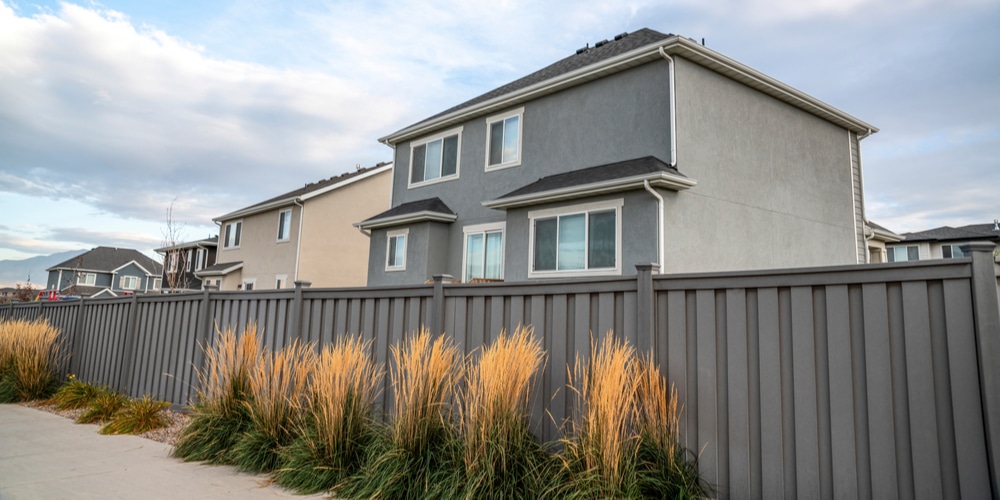
- One of the best grasses for a narrow, upright shape.
- Full sun to part sun, Zones 4–9.
- Starts growing early and stays tidy through fall.
If you want that crisp, designer look, feather reed grass delivers. It forms a tight clump that gets more robust each year without taking over, making it perfect for lining a walkway or anchoring a modern border.
The flower plumes rise like exclamation points in early summer, then hold their form for months. Give it average soil, regular water the first season, and minimal fertilizer.
It pairs beautifully with roses, salvias, coneflowers, and sedums, and it looks just as good in a small garden as it does in a big sweep.
19. Hardy hibiscus (Hibiscus moscheutos)
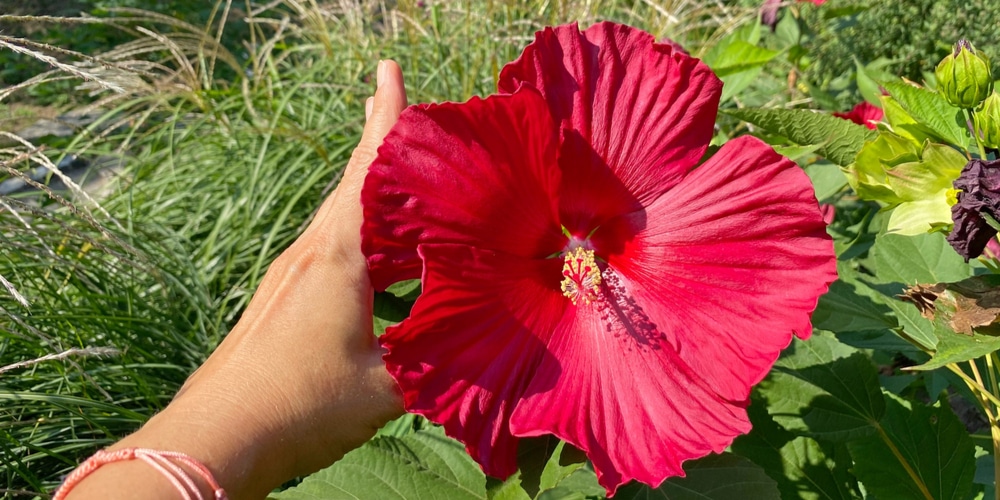
- Dinner-plate blooms in late summer, often 8 inches or more.
- Loves sun and consistent moisture (it is not a dry-soil plant).
- Dies back each winter, then returns bigger and taller.
Hardy hibiscus is the plant that makes people stop mid-walk and ask, “What is that?” It emerges late in spring, then rockets upward into a leafy shrub-like clump topped with huge flowers.
Full sun is best, and steady moisture is key, especially in heat. A layer of compost in spring helps it build strong stems, but skip heavy nitrogen.
Pair it with ornamental grasses, joe-pye weed, and coneflowers for a bold, summer-to-fall border. Give it patience in spring and room in summer, and it will reward you.
20. Rhubarb (Rheum rhabarbarum)
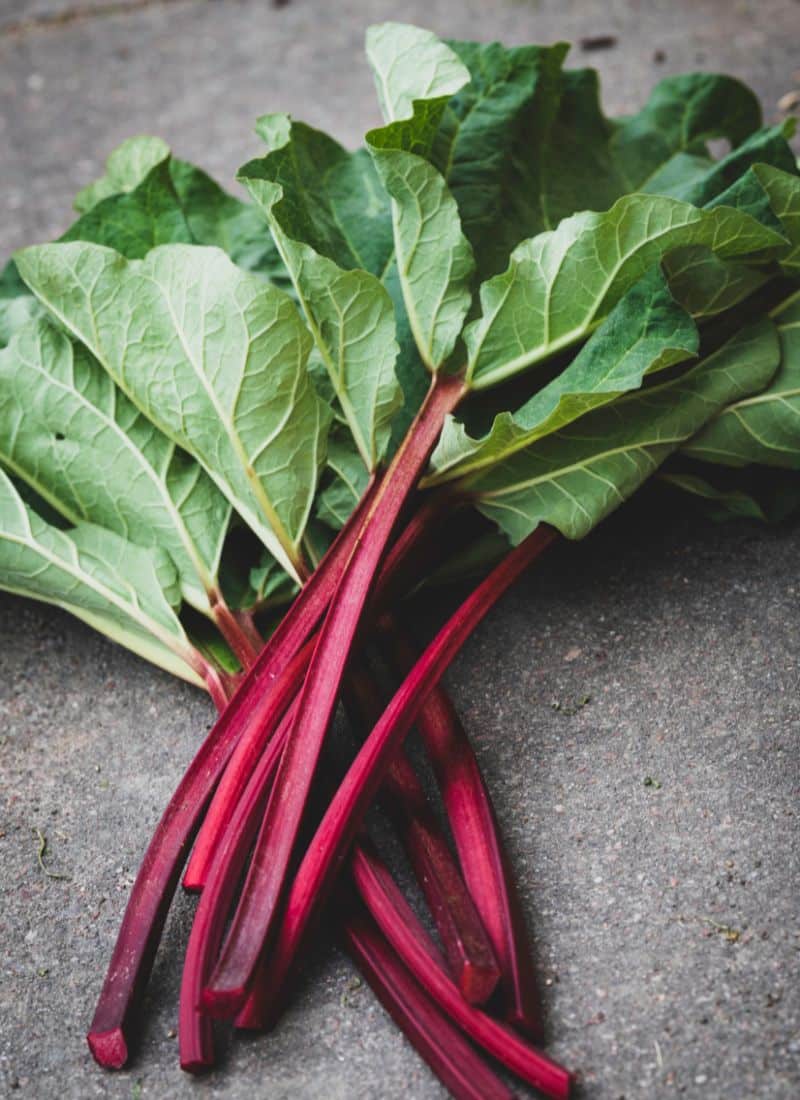
- Big, crinkly leaves make a dramatic edible ornamental.
- Best in cooler Zones 3–7, with sun to part shade.
- Harvest stalks lightly the first year so the plant bulks up.
Rhubarb is one of the easiest ways to get that “bigger every year” look with a practical payoff.
The crown thickens over time, sending up larger leaves and sturdier stalks each spring. It likes rich soil and regular moisture, especially during dry spells. In warmer areas, afternoon shade helps it stay happier longer.
Feed with compost in spring and keep weeds down so the crown can expand. Rhubarb looks surprisingly good tucked into mixed borders with peonies, alliums, and spring bulbs, and it adds a lush, old-fashioned feel.
Thanks for Reading!
A bigger-looking garden isn’t always about buying more plants. It’s about choosing plants that mature well. Pick two or three from each group, repeat them in a few spots, and let them thicken up. By year two and three, your beds start looking “finished” with a lot less work.