Utah gardens can be beautiful, but they can also be unforgiving. Between the dry air, alkaline soil, blazing summer sun, and winters that can still bite hard, a perennial has to be more than pretty if it is going to keep showing up without constant attention.
These 18 Utah-friendly perennials are tough enough for the job, bringing dependable color, texture, and garden presence without turning your yard into a full-time project.
Whether you are gardening along the Wasatch Front, in southern Utah, or in another lower-elevation part of the state, there is something here that can settle in and earn its keep.
Get ready to meet the toughest, most beautiful perennials that can keep a Utah yard looking lively year after year.
1. Firecracker Penstemons (Penstemon eatonii)

- Bright red tubular flowers that bring strong early-season color.
- Native Utah perennial for rocky, sunny sites.
- Excellent in dry, well-drained soil.
Firecracker penstemons look right at home in a Utah yard. They handle lean soil, dry air, and strong sun far better than most garden-center bloomers, and they bring a bold red punch when the season is still getting started.
Care tip: Give them sharp drainage and avoid wet winter soil if you want them to stay around for the long haul.
2. Utah Penstemons (Penstemon utahensis)

- Pink to coral tubular flowers with a distinctly desert-West look.
- Native Utah perennial for sunny, rocky places.
- Thrives with low water once established.
Utah penstemons are one of the best ways to make a Utah garden feel like Utah. They have that dry-country beauty people want, but they also have the toughness to back it up in the right site.
Care tip: Plant them in full sun with excellent drainage and resist the urge to pamper them with too much water.
3. Prince’s Plumes (Stanleya pinnata)

- Tall yellow flower plumes with a dramatic western look.
- Extremely drought tolerant once established.
- Great for hotter, leaner Utah landscapes.
Prince’s plumes are not subtle, and that is exactly why they work so well. They bring height, color, and a dry western feel that looks completely natural in a Utah setting.
Care tip: Give them room and a sunny, sharply drained spot, because they are happiest where other plants might struggle.
4. Desert Larkspurs (Delphinium scaposum)

- Purple flower spikes for rocky or desert-style beds.
- Native perennial suited to drier Utah sites.
- Adds a wilder, more natural Utah look.
Desert larkspurs are a good reminder that a low-water garden does not have to be plain. They bring a more rugged beauty to the yard and fit naturally into the kinds of places where irrigation is not doing all the work.
Care tip: Treat them like the dry-country plants they are and keep them out of overly rich, soggy soil.
5. Indian Paintbrushes (Castilleja chromosa)

- Bright red to orange bracts with strong native character.
- Best for native-style, lower-water plantings.
- Excellent for bringing a true Utah feel to the garden.
Indian paintbrushes make a Utah planting feel rooted in place. They are not the kind of plant you use in a generic flower border, but in a native-style or lower-water bed they can look absolutely right.
Care tip: Use them in more natural plantings rather than treating them like a standard pampered perennial.
6. Hummingbird Mints (Agastache spp.)
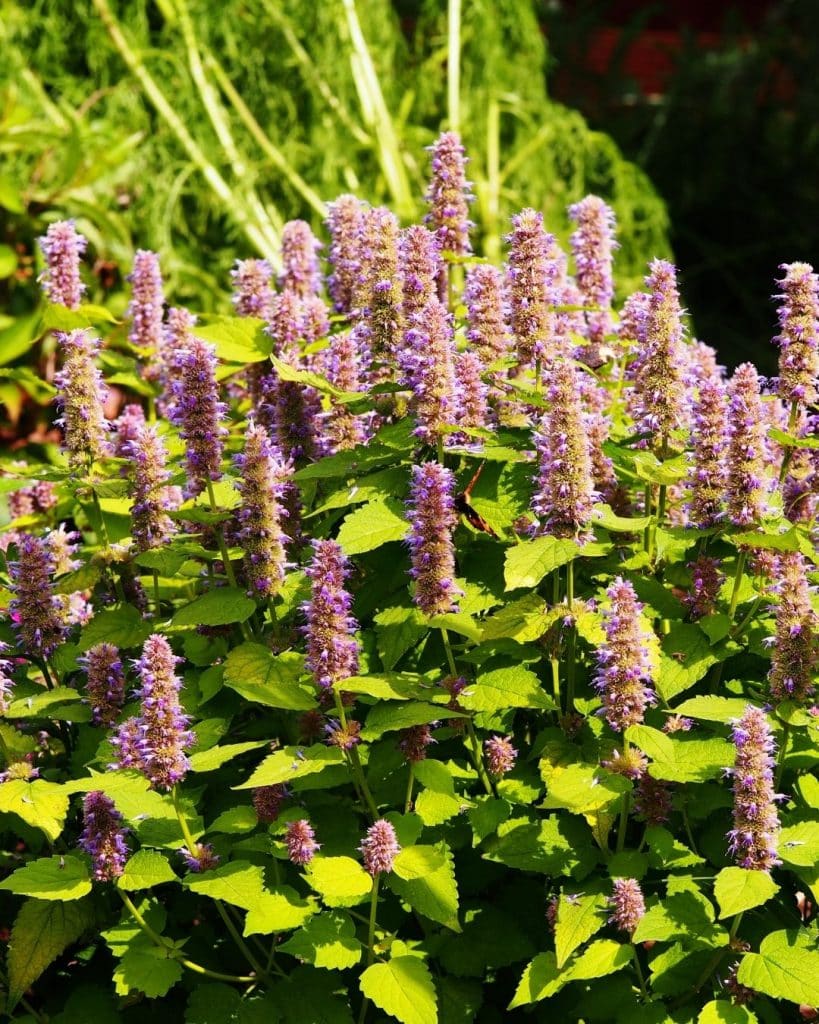
- Long-blooming flower spikes in shades from soft pink to deeper red or purple.
- Arid-West favorites that handle low water very well.
- Excellent for sunny Utah borders and water-wise beds.
Hummingbird mints are about as close to a Utah cheat code as a perennial gets. They bloom for a long stretch, tolerate low water, and keep a border looking lively without acting needy.
Care tip: Check cold-hardiness on the exact variety you buy, because some are better fits for colder valleys than others.
7. Blanket Flowers (Gaillardia spp.)
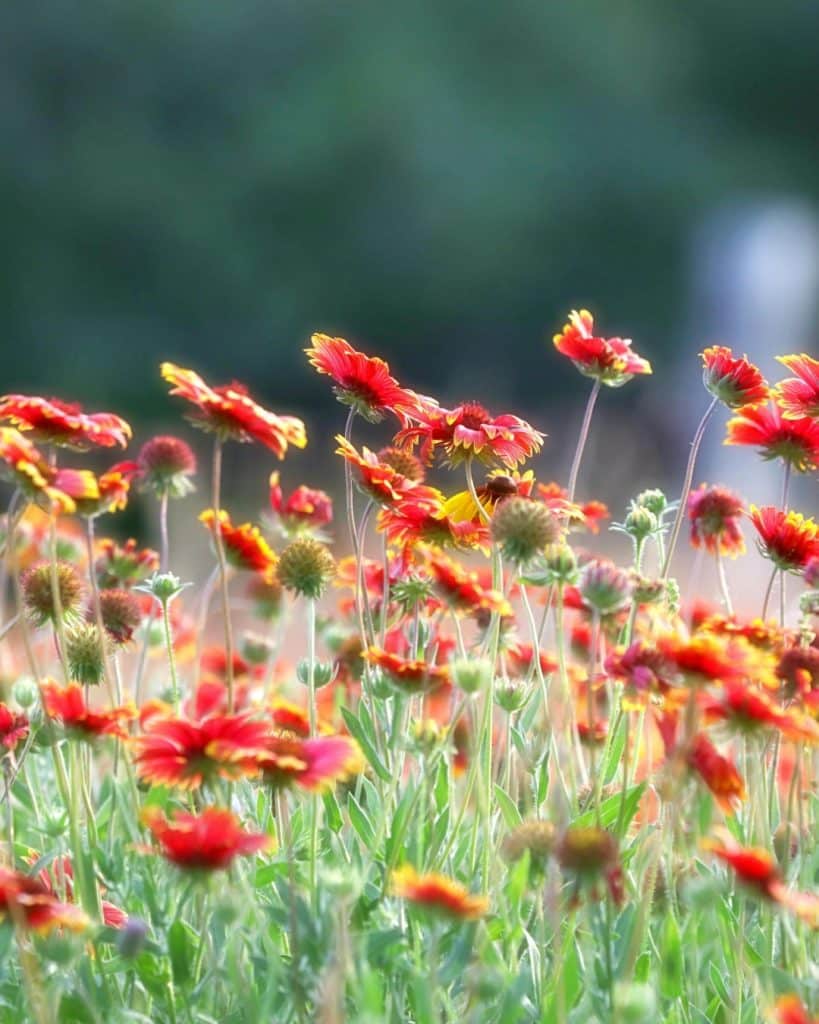
- Bright daisy-like flowers in hot shades of red, orange, and yellow.
- Happy in heat, sun, and leaner soil.
- Excellent for long color in a drier Utah bed.
Blanket flowers are one of the easiest ways to make a Utah yard look cheerful. They bloom hard, tolerate heat well, and do not need much fuss to keep going.
Care tip: Do not overwater them, because they are much happier on the drier side once established.
8. Sedums (Stonecrops) (Sedum spp.)
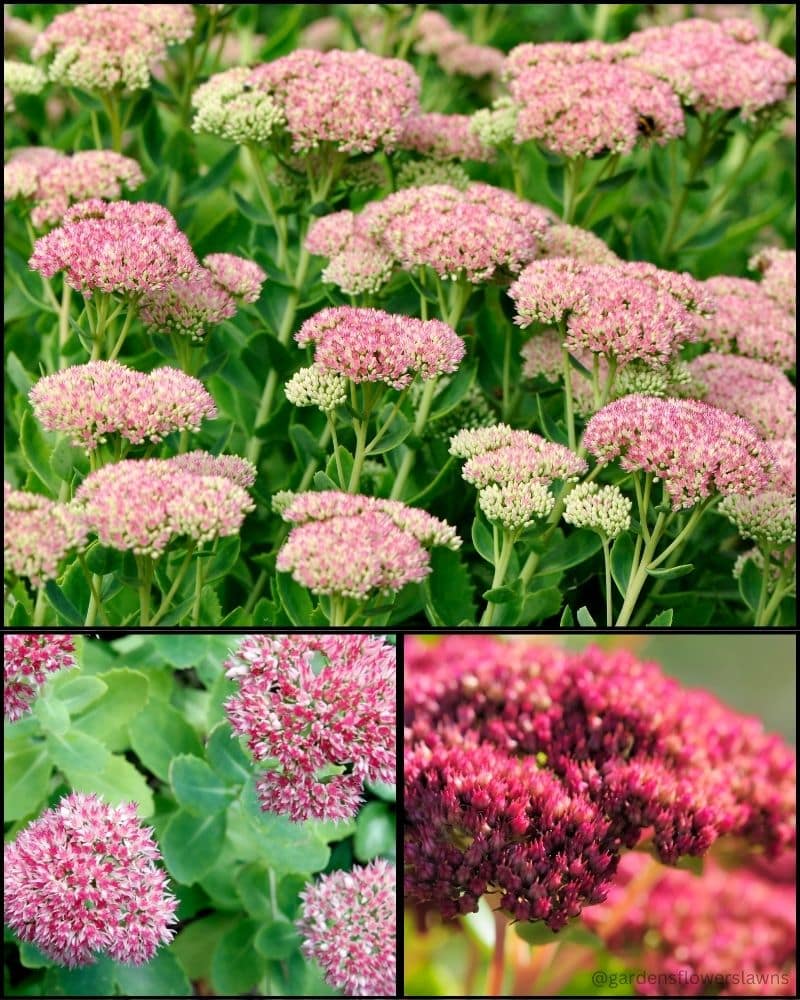
- Succulent foliage and sturdy flower heads that bring texture for months.
- Excellent for sunny, well-drained Utah beds.
- About as low-maintenance as a flowering perennial gets.
Sedums are perfect for Utah gardeners who want good performance in a sunnier, drier bed. They ask for very little and keep doing their job long after fussier plants start looking tired.
Care tip: Keep them out of soggy spots and overly rich soil if you want the best shape and strongest stems.
9. Yarrow (Achillea millefolium)
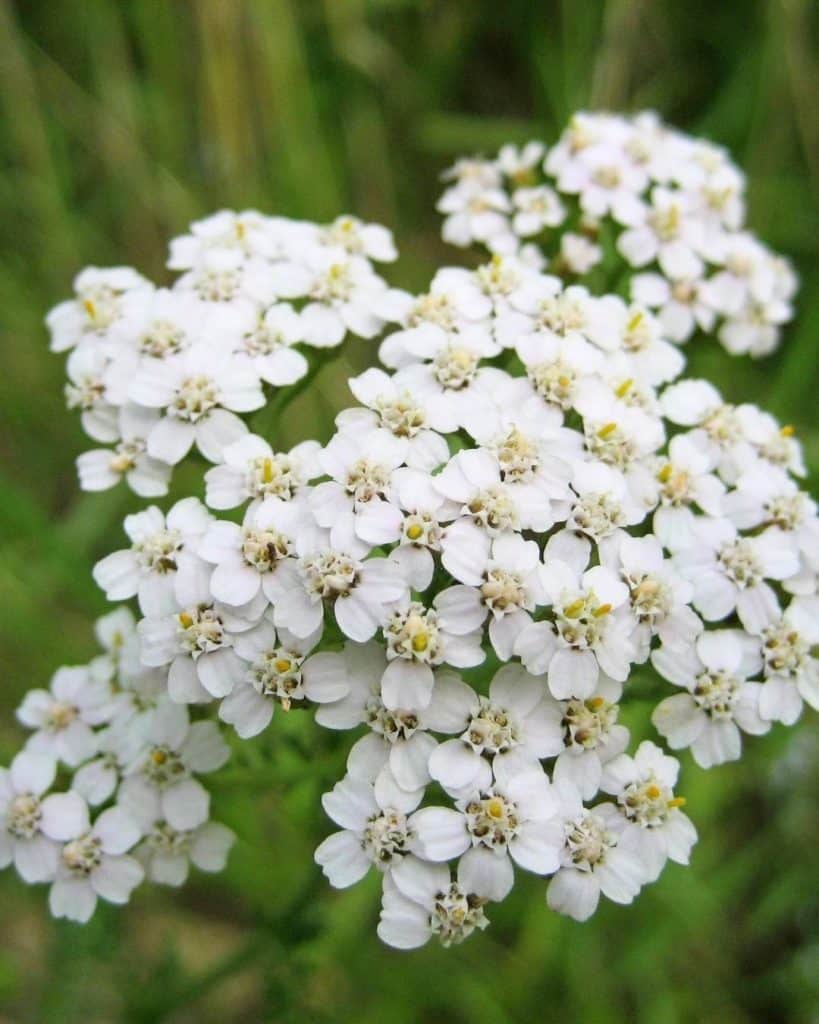
- Flat flower clusters with a sturdy, useful habit.
- Excellent for hot, dry sites once established.
- Very low-fuss in full sun.
Yarrow is a good fit when you need something that can take more heat and less water without falling apart. It is practical, dependable, and one of the easier backbone plants for a Utah border.
Care tip: Shear it back after bloom if the foliage starts looking tired or if you want to encourage another round.
10. Lavender (Lavandula spp.)

- Fragrant foliage and flower spikes for sunny, drier spots.
- Very well suited to many lower-elevation Utah gardens.
- Strong choice when you want beauty and low fuss together.
Lavender has become a go-to Utah plant for a reason. It handles dry summer conditions well, smells good, looks clean, and does not need much attention once it is rooted in well-drained soil.
Care tip: Cut it back lightly after bloom, but do not shear hard into old woody growth.
11. California Poppies (Eschscholzia californica)
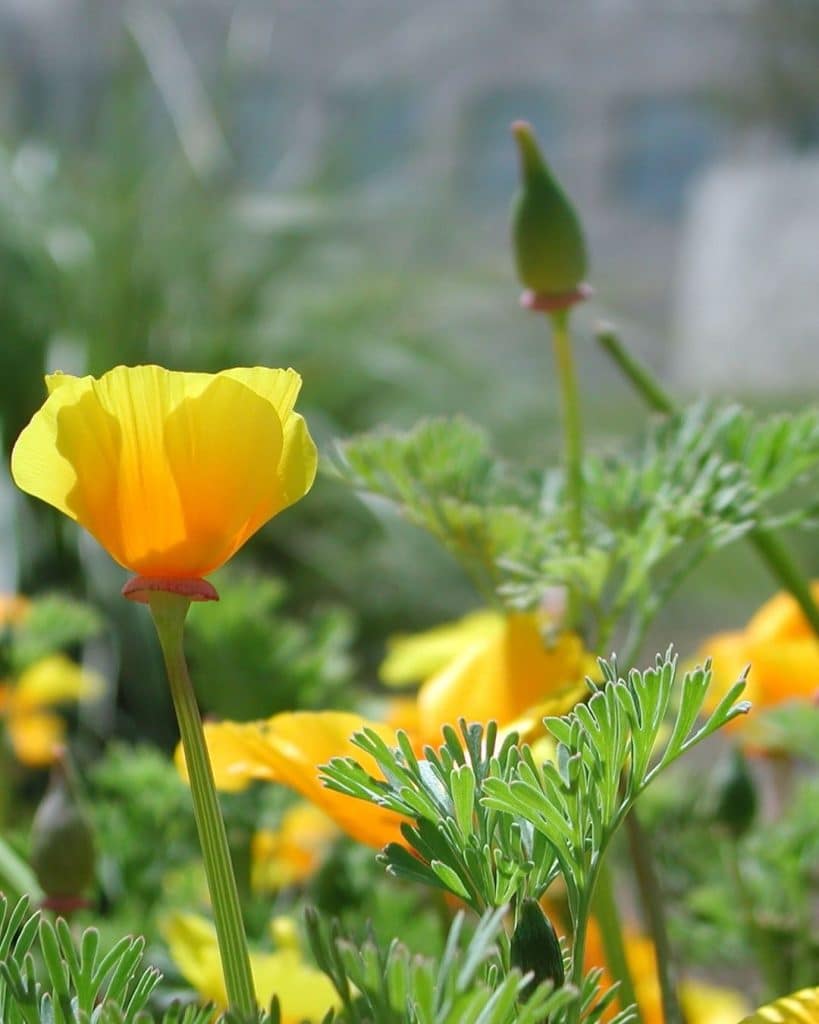
- Bright orange to yellow blooms for hot, sunny beds.
- Good fit for lean soils and dry summer conditions.
- Can reseed and fill in easily in the right setting.
California poppies are one of those plants that make dry summer gardening look easier than it is. They bring bold color, tolerate leaner conditions, and do not need much pampering to earn a place.
Care tip: Do not overfeed them, because they usually perform better in simpler soil than in rich, heavily amended beds.
12. Catmints (Nepeta x faassenii)
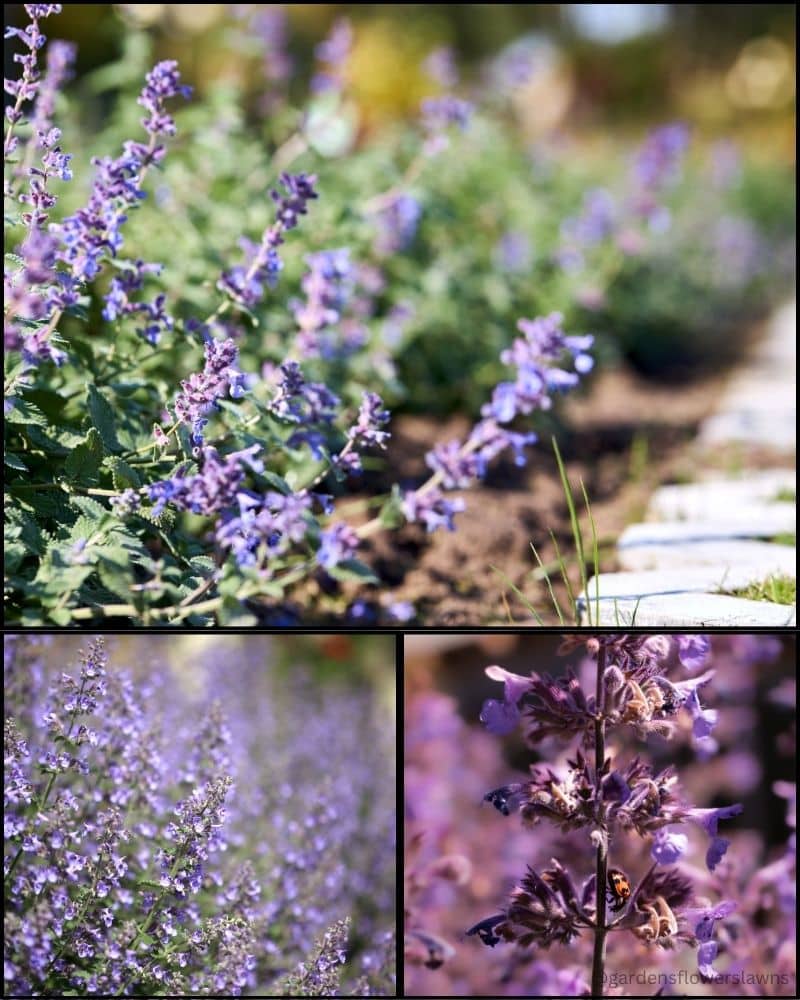
- Soft blue-violet flowers over aromatic gray-green foliage.
- Thrives in heat and drought once established.
- Excellent for sunny borders and lower edging plants.
Catmints are one of the easiest ways to add a softer, cooler color to a hotter Utah border. They stay useful for a long stretch and do not need much coddling once they are established.
Care tip: Shear them after the first big bloom if you want a tidier mound and another round of flowers.
13. Evening Primroses (Oenothera macrocarpa)

- Large yellow flowers over low, spreading foliage.
- Excellent for hot sunny sites with leaner soil.
- Useful for edging, slopes, and lower rock-garden spots.
Evening primroses are good when you need something low, tough, and bright. They handle the harsher side of Utah gardening a lot better than many broader-leaved ground-hugging perennials.
Care tip: Give them full sun if you want the strongest bloom and the tightest habit.
14. Desert Four O’Clocks (Mirabilis multiflora)

- Big mounding plants with bright magenta flowers.
- Built for heat, sun, and drier conditions.
- Excellent for filling space in a water-wise bed.
Desert four o’clocks are bold plants for gardeners who want something a little different. They cover space, bloom with real color, and hold up in tough Utah spots where weaker plants would fade out fast.
Care tip: Give them room, because they are happiest when allowed to spread into their natural shape.
15. Prairie Zinnias (Zinnia grandiflora)

- Low-growing natives with bright yellow blooms.
- Excellent for hot, dry sites and rock gardens.
- Useful for edging and smaller xeric spaces.
Prairie zinnias are small plants that punch above their weight. They stay low, bloom brightly, and work beautifully where a bigger plant would feel too heavy or too thirsty.
Care tip: Keep them in very well-drained soil and do not crowd them with thirstier neighbors.
16. Little Bluestems (Schizachyrium scoparium)
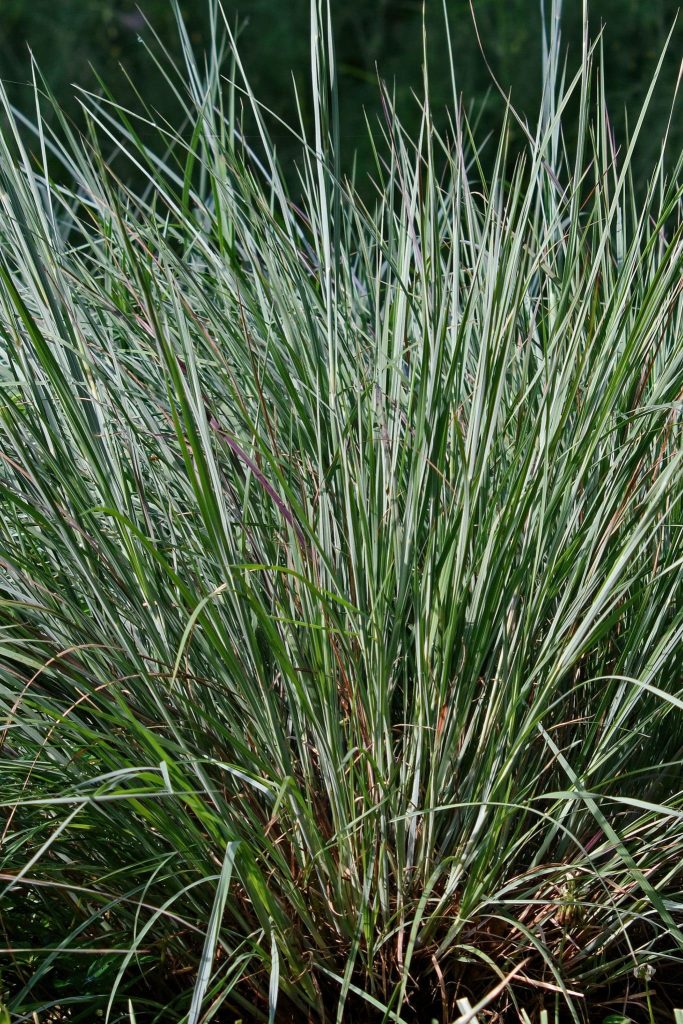
- Native grass with blue-green summer color and copper fall tones.
- Excellent for dry sunny sites.
- Adds movement and strong seasonal texture.
Little bluestems are one of those grasses that make everything around them look better. They handle tough conditions, look good for a long stretch of the year, and help a Utah garden feel more grounded in place.
Care tip: Leave the foliage standing through winter, then cut it back just before spring growth begins.
17. Blue Gramas (Bouteloua gracilis)

- Native grasses with distinctive eyelash-like seed heads.
- Extremely drought tolerant and useful in low-water landscapes.
- Strong fit for natural-looking and xeric gardens.
Blue gramas may not be flashy, but they do a lot of important work. They tie a planting together, look right at home in Utah, and handle dry conditions like they are no big deal.
Care tip: Use them where you want a lighter, more natural grass texture instead of a thirsty, high-input look.
18. Columbines (Aquilegia spp.)

- Graceful spring flowers for spots with some afternoon protection.
- Useful in dry shade and part shade, where good plant options get harder to find.
- A smart closer because they fill a different Utah niche.
Columbines make a nice closer because they remind you a Utah neglect-proof list does not have to be all blazing sun plants. In a spot with some shade and a little protection, they bring graceful spring color without being nearly as fussy as people sometimes assume.
Care tip: Morning sun and afternoon shade is often the sweet spot in hotter Utah locations.
Thank you so much for reading. We hope you enjoyed the article and may your thumb stay GREEN!