Oklahoma gardens can be beautiful, but they can also be demanding. Between the heat, the wind, the dry spells, and the clay-heavy soil many gardeners deal with, a perennial has to be more than pretty if it is going to thrive without constant attention.
Here are 18 tough, low-maintenance perennials that thrive in Oklahoma’s challenging conditions — delivering reliable color, strong garden presence, and season-long interest with minimal effort.
Whether you are gardening in Green Country, central Oklahoma, or the drier western part of the state, there is something here that can settle in and earn its keep.
Get ready to meet the toughest, most beautiful perennials that can keep an Oklahoma yard looking lively year after year.
Why these plants? Selected for proven drought and heat tolerance, adaptability to Oklahoma clay soils, low care needs, and reliable performance statewide.
1. Arkansas Bluestars (Amsonia hubrichtii)
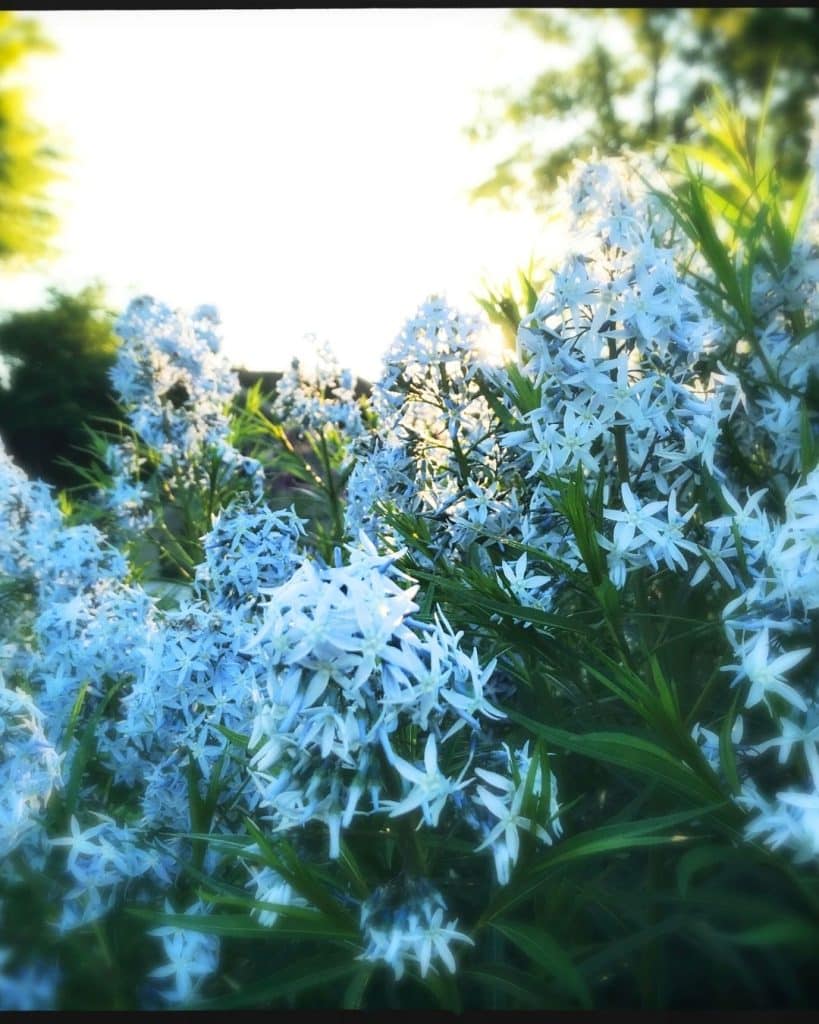
- Soft blue spring flowers and fine, wispy foliage that stays attractive long after blooming.
- Native to eastern Oklahoma and proven to perform well statewide once established.
- Handles both moist soil and drought better than its delicate appearance suggests.
Arkansas bluestars quietly elevate any Oklahoma garden with graceful, fuss-free beauty.
They flower in spring, stay attractive through summer, and then put on a strong golden fall show with very little fuss.
Care tip: Cut them back by about one-third after flowering in early summer for a fuller, tidier shape.
2. False Indigo (Baptisia spp.)
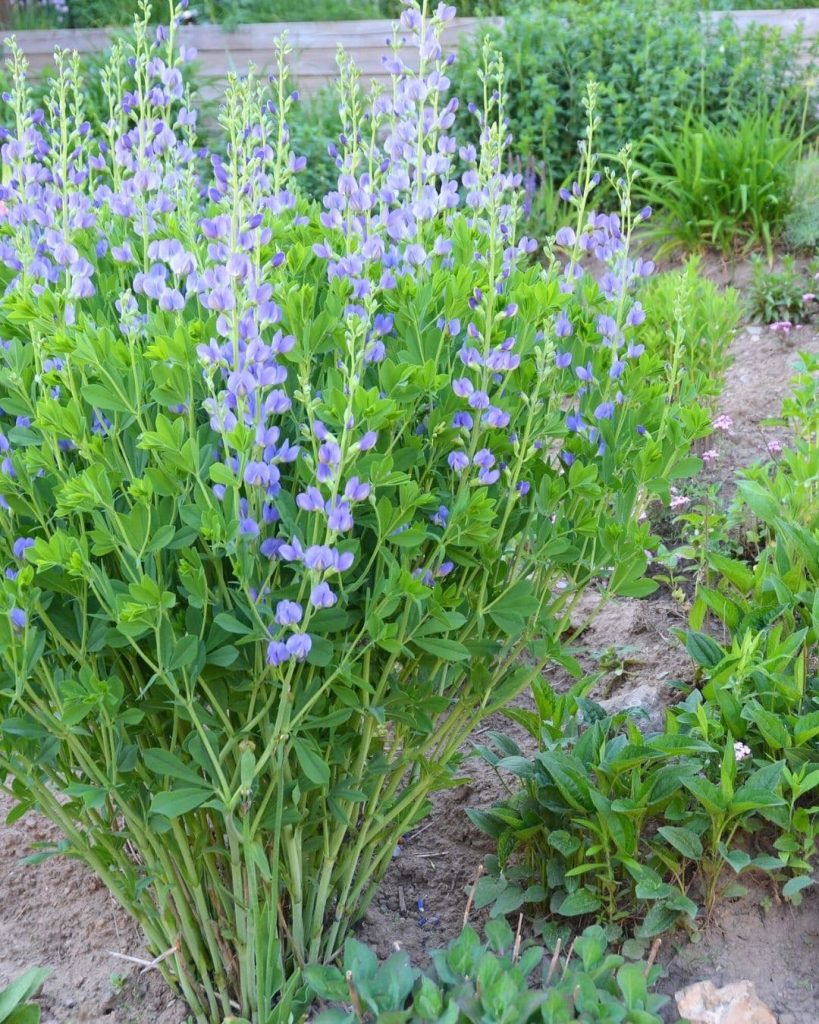
- Upright spring flowers on sturdy stems that give the garden lasting structure.
- Native perennial that grows reliably across Oklahoma.
- Long-lived and drought tolerant once established.
False indigo gets better and more impressive the longer it stays in one place.
It brings spring color, strong summer structure, and the kind of durability that makes it feel like money well spent.
Care tip: Plant it in its final location because mature plants dislike being moved.
3. Purple Coneflowers (Echinacea purpurea)
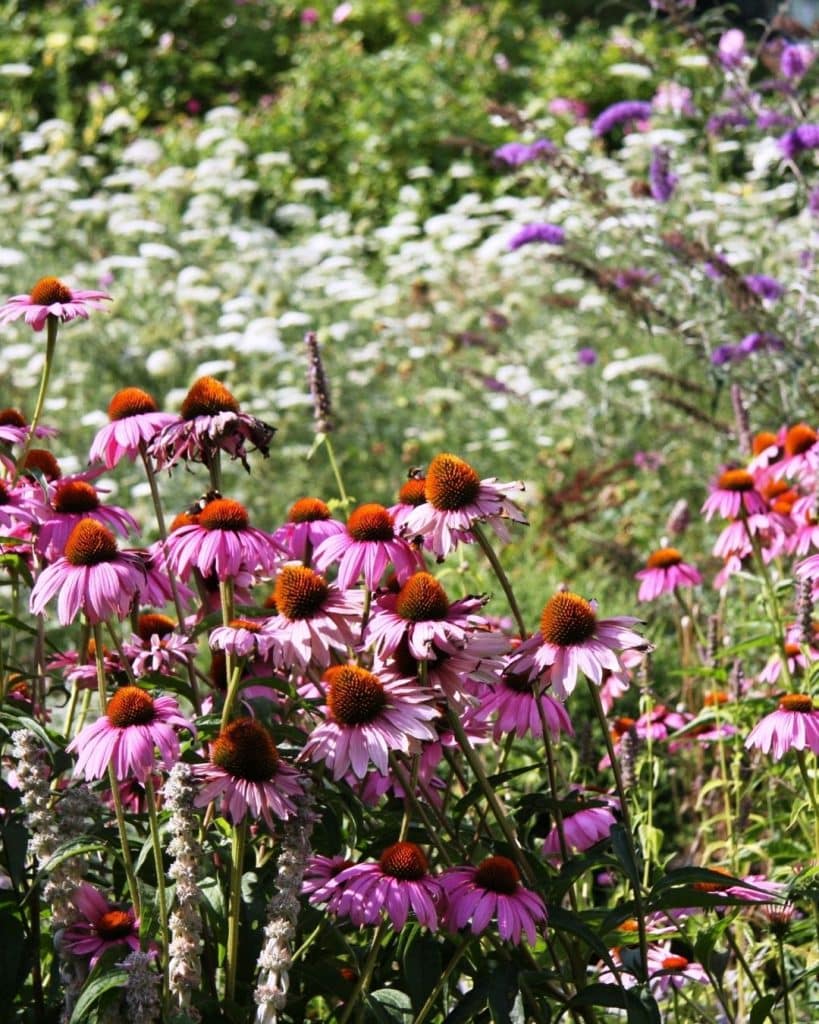
- Classic summer color with bold cone centers that attract pollinators.
- Dependable in full sun and ordinary soil with decent drainage.
- Sturdy stems that keep the plant looking good even after peak bloom.
Purple coneflowers earn their spot year after year because they simply perform.
They handle Oklahoma summers well, return reliably, and keep beds looking lively even after the flowers fade.
Care tip: Leave a few seed heads standing into fall for winter texture, then cut back in late winter.
4. Red Yuccas (Hesperaloe parviflora)
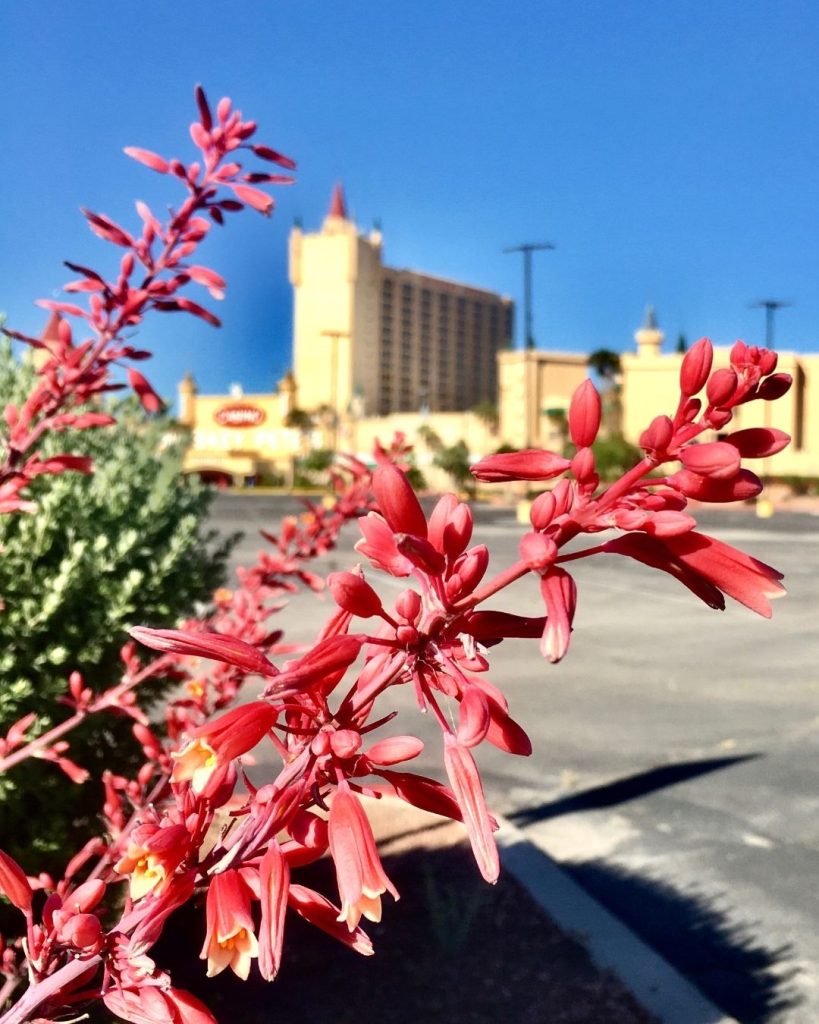
- Spiky evergreen foliage with tall flower stalks for strong year-round shape.
- Exceptionally tough in extreme heat and drought.
- Ideal for rock gardens and xeriscapes in hotter, drier spots.
Red yuccas are one of the easiest ways to give an Oklahoma bed sharp, modern style.
They love sun, shrug off drought, and keep their good looks all year.
Care tip: Plant in well-drained soil and resist overwatering once established.
5. Red-Hot Pokers (Kniphofia uvaria)

- Bold upright flowers in hot shades of yellow, orange, and red.
- Very tolerant of drought and summer heat.
- Best in sunny beds with excellent drainage.
Red-hot pokers deliver dramatic vertical color without constant attention.
In the right spot they are tough, eye-catching, and a very good way to keep sunny beds from looking ordinary.
Care tip: Keep them out of wet, poorly drained soil, especially during winter.
6. Prairie Blazing Stars (Liatris pycnostachya)
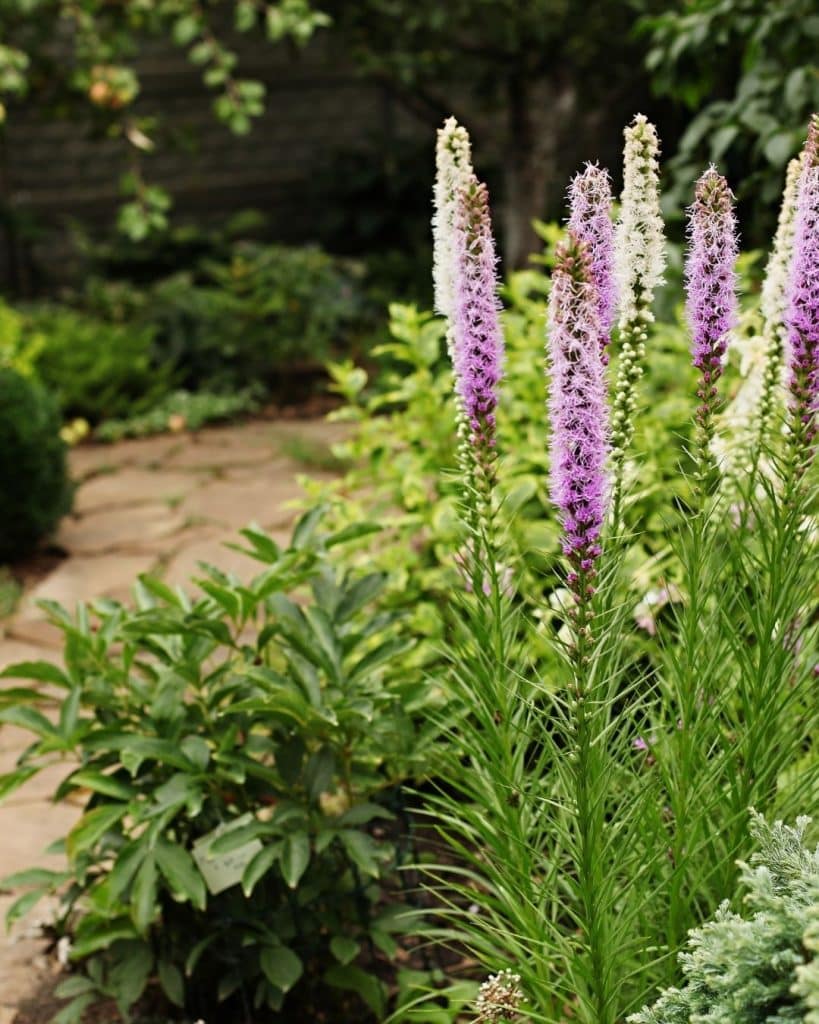
- Tall purple flower spikes that stand out in summer borders.
- Good tolerance for drought, heat, and humidity.
- Excellent for native-style and meadow plantings.
Prairie blazing stars add height and drama without feeling heavy in the garden.
They are a smart choice when you want something upright, summer-tough, and easy to work into an Oklahoma bed.
Care tip: Keep them out of wet winter soil for best long-term performance.
7. Mexican Beardtongues (Penstemon mexicali)

- Tubular flowers in bright jewel tones on neat, clumping plants.
- Good tolerance for drought, heat, and humidity.
- Very useful for lower, tidier sunny borders.
Mexican beardtongues prove a tough plant can still look refined and colorful.
They stay manageable, bloom well, and fit neatly into water-wise Oklahoma plantings.
Care tip: Provide sharp drainage and avoid crowding them with thirstier plants.
8. Narrowleaf Ironweed (Vernonia lettermanii)

- Fine-textured foliage with bright purple summer flowers.
- Native to the Oklahoma region and very rugged once established.
- Excellent for slopes, rock gardens, and dry sunny sites.
Narrowleaf ironweed offers a lighter, more refined texture than most ironweeds.
It is especially good when you want a native look that still feels polished and easy to place.
Care tip: Plant in well-draining soil and give it time to settle in before judging performance.
9. Turk’s Caps (Malvaviscus arboreus var. drummondii)
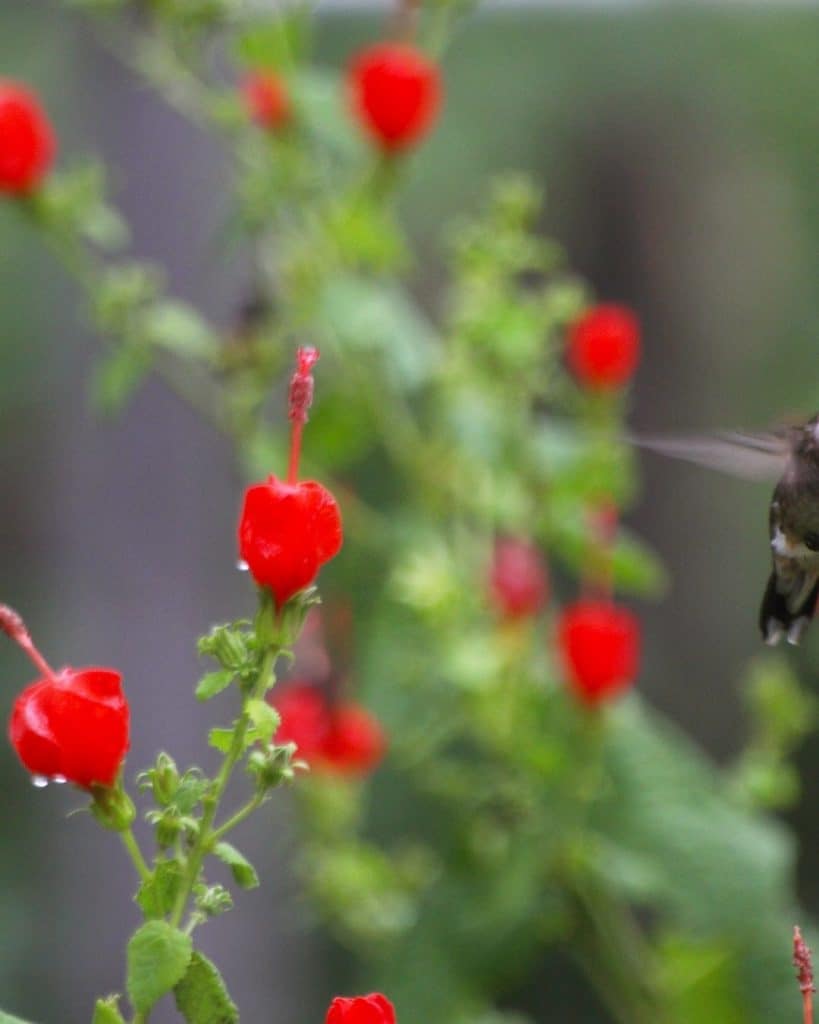
- Bright red pendant flowers that bloom through hot weather.
- Strong performer for shady or partly shaded sites.
- Handles heat and heavy soil better than most shade perennials.
Turk’s caps are one of the best answers for hotter, shadier Oklahoma spots.
They bring color late in the season and keep performing when other shade plants fade.
Care tip: Cut them back in late winter or early spring before new growth emerges.
10. Indian Pinks (Spigelia marilandica)

- Bright red and yellow tubular flowers for shadier gardens.
- Good in part shade to full shade with initial moisture while establishing.
- Quite drought tolerant once established.
Indian pinks prove a lower-light garden does not have to be dull.
They bring real color and surprisingly little drama once they settle into a spot they like.
Care tip: Keep soil from going bone-dry during their first season, then let them toughen up.
11. Evening Primrose (Oenothera macrocarpa)

- Large yellow flowers over low, spreading foliage.
- Excellent for hot sunny sites with leaner soil.
- Useful for edging, slopes, and rock-garden spots.
Evening primroses are perfect when you need something low, tough, and bright.
They handle the harsher side of Oklahoma gardening far better than many broader-leaved groundcovers.
Care tip: Give them full sun for the strongest bloom display and tightest habit.
12. Sedums (Stonecrops) (Hylotelephium spectabile and Sedum spp.)
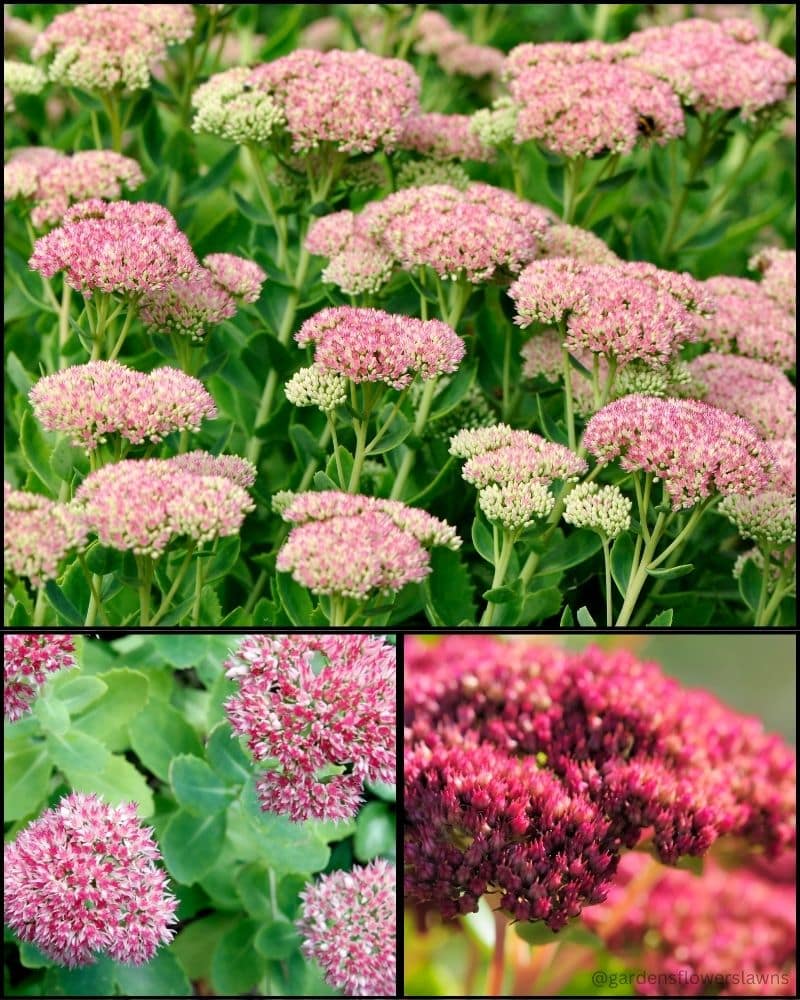
- Succulent foliage and strong late-season flower heads.
- Very good in sunny, well-drained Oklahoma beds.
- Low-water and low-fuss once settled in.
Sedums thrive when you want plants that tolerate sun, heat, and occasional neglect.
They stay useful for a long time and earn their keep in any border.
Care tip: Keep them out of soggy spots and avoid overwatering, especially in heavier soil.
13. Russian Sage (Salvia yangii)
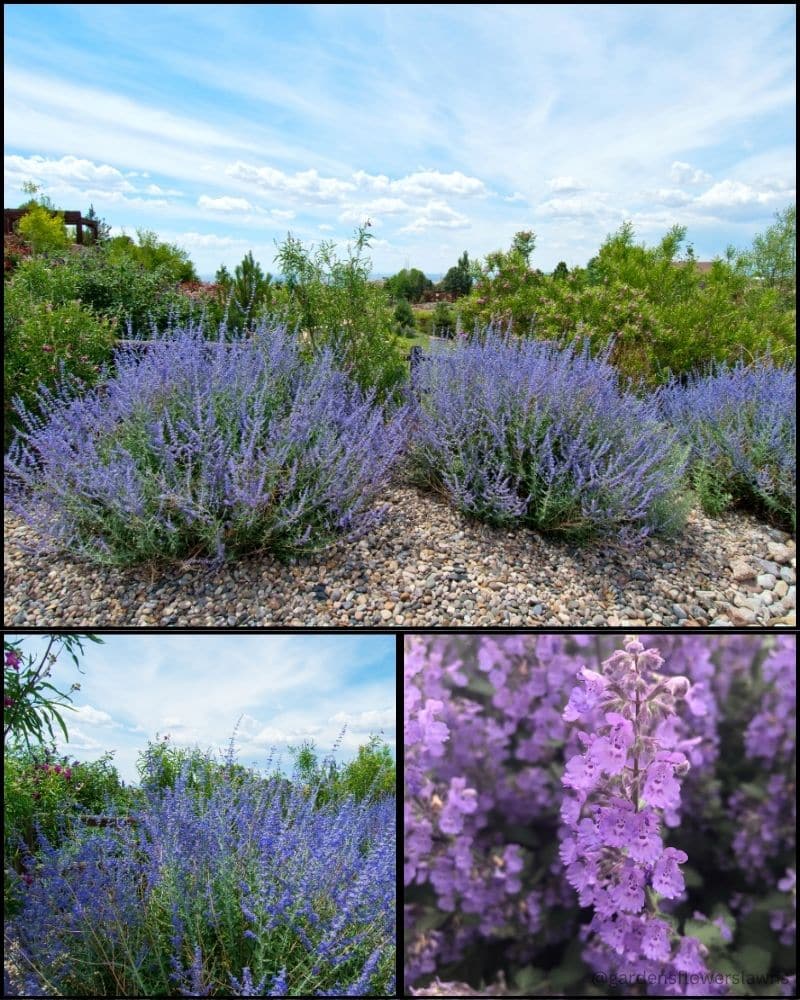
- Airy blue-purple flowers and silvery foliage through the hottest months.
- Very tolerant of heat and drought.
- Strong choice for sunnier, well-drained sites.
Russian sage brings graceful color to the toughest Oklahoma sun.
It creates a soft haze without becoming needy or overwhelming.
Care tip: Cut it back hard in late winter or very early spring before new growth begins.
14. Homestead Purple Verbenas (Verbena canadensis ‘Homestead Purple’)
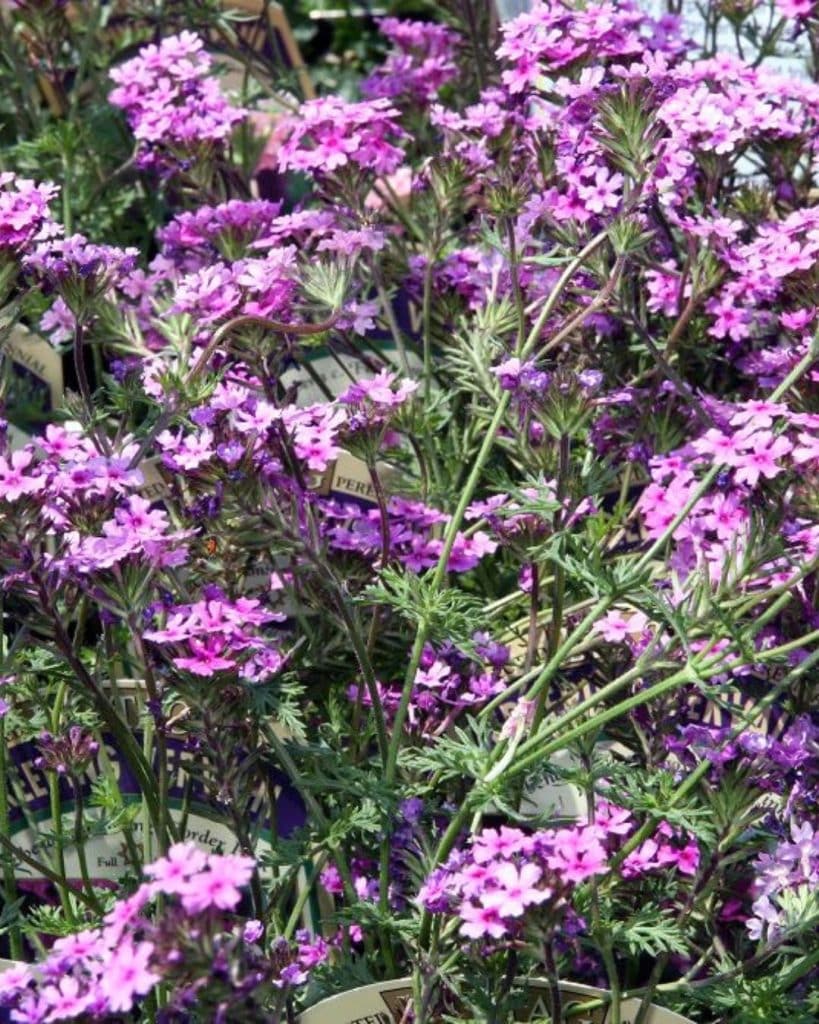
- Low-growing mats of rich purple blooms.
- Excellent for hot borders, slopes, and edging.
- Very good repeat color with little pampering.
Homestead Purple verbena keeps earning its space season after season.
It spreads nicely, blooms hard, and works especially well where you want a lower carpet of color.
Care tip: Shear lightly after a heavy bloom flush to encourage fresh growth and more flowers.
15. Butterfly Weed (Asclepias tuberosa)
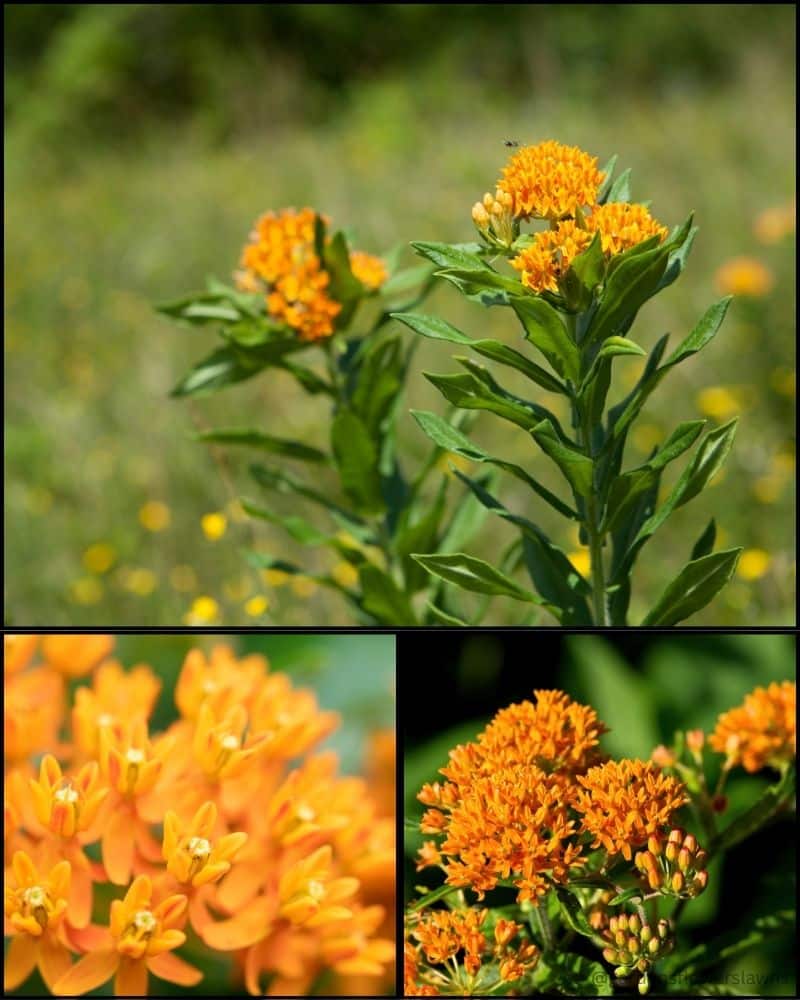
- Bright orange summer blooms that stand up well in heat.
- Strong fit for sunny, drier Oklahoma sites.
- Useful where richer, thirstier perennials would struggle.
Butterfly weed brings cheerful color to hotter, drier beds.
It looks bright and lively but is far tougher than it appears once rooted.
Care tip: Leave it undisturbed after planting because it prefers not to be moved.
16. Garden Phlox (Phlox paniculata, mildew-resistant types)
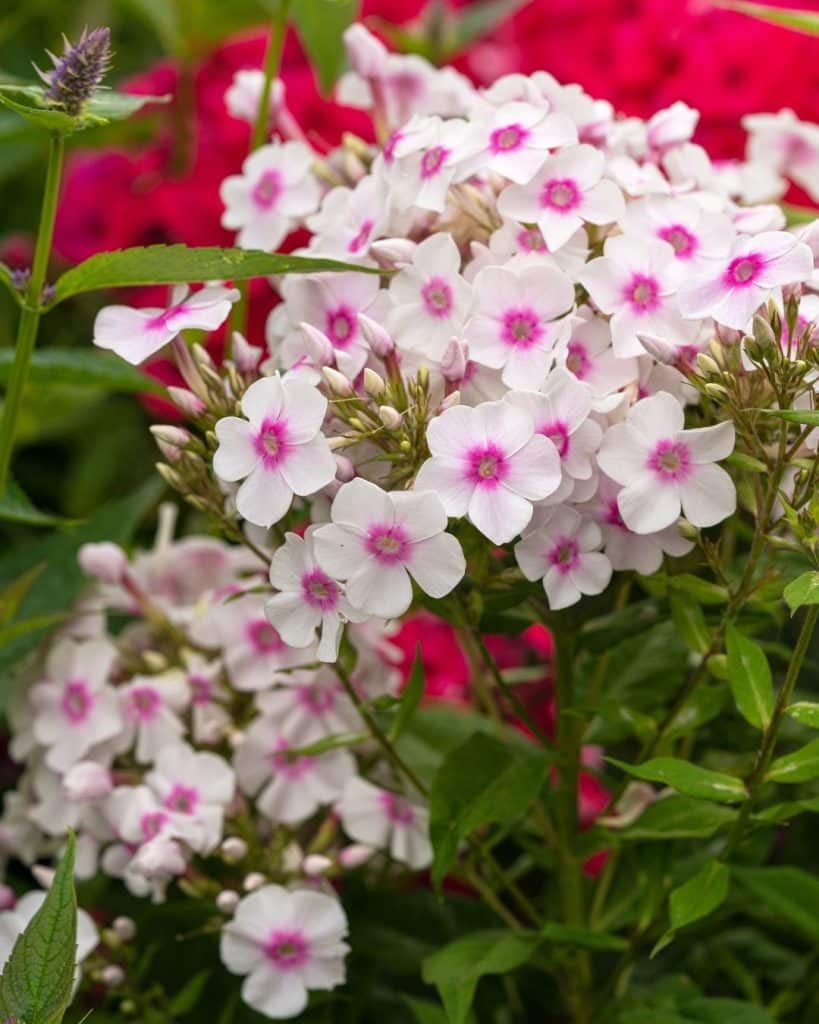
- Big summer flower clusters with a full cottage-garden look.
- Worth growing when you choose mildew-resistant selections.
- Best with sun and good air movement.
Garden phlox can earn a place in Oklahoma when you pick the stronger modern varieties.
These selections give full summer color with far less frustration than older types.
Care tip: Water at the base (not overhead) and avoid crowding plants too closely.
17. Catmints (Nepeta x faassenii)
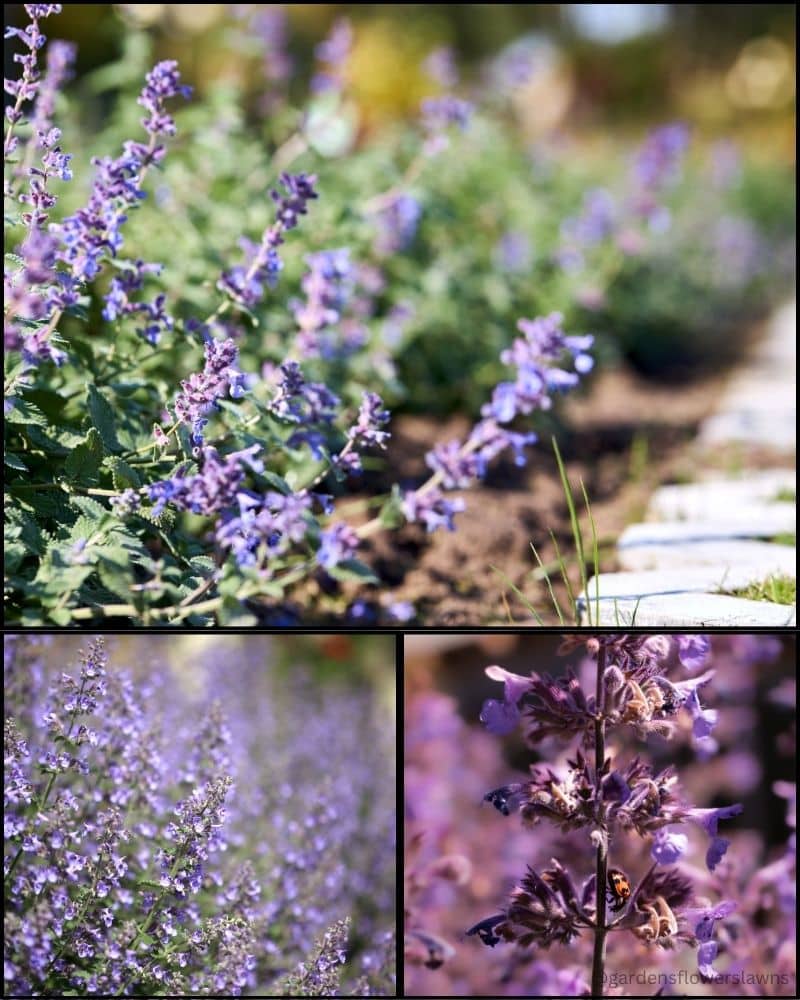
- Soft blue-violet flowers over aromatic gray-green foliage.
- Thrives in heat and drought once established.
- Excellent for sunny borders and lower edging.
Catmints are one of the easiest ways to add soft, cool color to hot Oklahoma borders.
They stay useful for months and need almost no coddling once established.
Care tip: Shear after the first big bloom for a tidier mound and a second flush of flowers.
18. Milkweed (Asclepias spp.)

- Strong native options for tough Oklahoma sites, depending on species.
- Good choice for gardeners wanting durable natives.
- Many species handle heat and dry conditions well.
Milkweed shows how useful Oklahoma natives can be when you work with the climate instead of against it.
Choose the right species for your site and it can become one of the toughest plants in the yard.
Care tip: Match the species to your site — Oklahoma has native milkweeds for both drier ground and moister spots.
Quick Reference
| Plant Name | Best For | Key Strength |
|---|---|---|
| Arkansas Bluestars | Season-long interest | Fall color + drought tolerance |
| False Indigo | Structure & longevity | Long-lived, never needs moving |
| Purple Coneflower | Summer color | Reliable & pollinator-friendly |
| Red Yucca | Hot, dry spots | Evergreen + xeriscape star |
| Red-Hot Poker | Vertical drama | Heat & drought champion |
| Prairie Blazing Star | Native meadows | Tall summer spikes |
| Mexican Beardtongue | Tidy borders | Jewel-tone blooms |
| Narrowleaf Ironweed | Slopes & xeriscapes | Fine texture + ruggedness |
| Turk’s Cap | Shade | Late-season red flowers |
| Indian Pink | Part shade | Bright color in lower light |
| Evening Primrose | Edging & slopes | Low & tough in lean soil |
| Sedums | Low-water beds | Late-season interest |
| Russian Sage | Hot sun | Airy, graceful haze |
| Homestead Purple Verbena | Ground cover | Spreading purple carpet |
| Butterfly Weed | Drier sunny beds | Bright orange + tough |
| Garden Phlox | Cottage style | Big blooms (mildew-resistant) |
| Catmint | Edging & borders | Long bloom + aromatic |
| Milkweed | Native plantings | Site-specific toughness |
Thank you for reading! These 18 perennials can transform an Oklahoma yard into a colorful, low-maintenance space. Which one are you most excited to try? Let us know in the comments!